BEST PLACES TO VISIT
Here's a list of 11 Best Places to visit in Bhutan

3. Thimphu
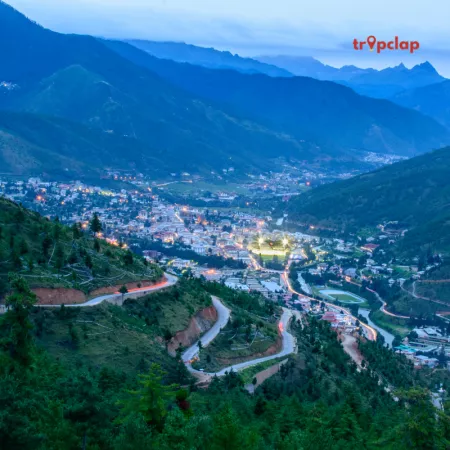
Thimphu, the capital city of Bhutan, is a charming destination nestled in the scenic Himalayas. With its unique blend of tradition and modernity, Thimphu offers a captivating experience for visitors. The city's serene and picturesque setting, surrounded by lush mountains, adds to its allure.
Thimphu is a relatively small city compared to other capital cities around the world, but it is bustling with cultural vibrancy and natural beauty. The city seamlessly combines traditional Bhutanese architecture and customs with contemporary developments, creating a fascinating blend of old and new.
The city's streets are lined with colorful buildings adorned with intricately designed wooden balconies and traditional Bhutanese motifs. The iconic Tashichho Dzong, a grand fortress-monastery, stands proudly, serving as the seat of government and an important religious center.
Thimphu is not just a political and administrative hub; it is also a cultural and artistic center. The city boasts numerous museums, art galleries, and cultural institutions that showcase the rich heritage and traditions of Bhutan. Festivals, such as the annual Thimphu Tshechu, are celebrated with great pomp and grandeur, bringing the community together in a display of religious rituals, masked dances, and vibrant costumes.
Despite its rapid modernization, Thimphu has managed to maintain its unique charm and preserve its cultural identity. The city is known for its clean streets, friendly locals, and a sense of tranquility that pervades its atmosphere. Visitors can enjoy exploring local markets, savoring delicious Bhutanese cuisine, and engaging with the warm-hearted Thimphupas.
Thimphu's breathtaking natural surroundings also offer opportunities for outdoor enthusiasts. Hiking trails, such as the popular Dochula Nature Trail, provide panoramic views of the surrounding mountains, while the nearby Wangchuck Centennial Park offers a chance to explore Bhutan's pristine wilderness.
Whether it's immersing in the cultural heritage, enjoying the scenic beauty, or experiencing the warm hospitality of its people, Thimphu offers a memorable and enchanting experience that truly embodies the spirit of Bhutan.
History of Thimphu
Thimphu, the capital city of Bhutan, has a rich history that dates back centuries. It began as a small settlement in the 13th century, founded by Lama Phajo Drugom Zhigpo, a Tibetan lama who introduced the Drukpa Kagyu school of Buddhism to Bhutan. However, Thimphu did not become the capital until 1961 when it replaced Punakha.
Over the years, Thimphu underwent significant transformations. In the 17th century, it became a major center for trade and commerce. The city's strategic location along important trade routes contributed to its growth and prosperity. Thimphu also played a crucial role in the unification of Bhutan under the leadership of Zhabdrung Ngawang Namgyal, who built the iconic Tashichho Dzong in the city.
In the 20th century, Thimphu experienced modernization efforts under the reign of the Third King, Jigme Dorji Wangchuck. The king initiated reforms, including the introduction of modern education, healthcare, and infrastructure. The city's development continued under subsequent kings, with the establishment of government institutions and the expansion of urban facilities.
Today, Thimphu stands as a testament to Bhutan's progress and preservation of its cultural heritage. It showcases the harmonious coexistence of tradition and modernity, making it a unique and captivating capital city.
Culture of Thimphu
The culture of Thimphu, the capital city of Bhutan, is deeply rooted in Bhutanese traditions and values. The city offers a vibrant blend of ancient customs and modern influences, creating a unique cultural experience.
Religion plays a significant role in the lives of Thimphu residents. Buddhism, particularly the Drukpa Kagyu school, is practiced and celebrated throughout the city. Monasteries and temples, such as the iconic Tashichho Dzong and Changangkha Lhakhang, serve as important religious centers. Festivals, or tshechus, are celebrated with great enthusiasm and involve masked dances, religious ceremonies, and cultural performances.
Traditional arts and crafts are highly valued in Thimphu. The city is home to numerous art galleries and craft centers where visitors can witness the intricate work of local artisans. Traditional Bhutanese painting, known as thangka, wood carving, and weaving are some of the prominent artistic forms that showcase the country's rich cultural heritage.
Music and dance hold a special place in Thimphu's cultural fabric. Folk dances, such as the popular Boedra and Zhungdra, are performed during festivals and special occasions. Traditional musical instruments, including the dranyen (lute), yangchen (dulcimer), and dramyin (folk guitar), accompany the dances, creating a captivating spectacle.
The Bhutanese sense of community and hospitality is deeply ingrained in Thimphu's culture. Locals embrace visitors with warmth and friendliness, welcoming them to experience their way of life. Traditional customs, such as offering hospitality through tea and food, are still practiced, reflecting the strong bonds of kinship and respect.
Thimphu's cultural heritage is preserved through the efforts of institutions like the Royal Academy of Performing Arts and the National Folk Heritage Museum. These institutions promote traditional arts, music, and dance, ensuring that Bhutanese culture continues to thrive amidst the modern world.
In Thimphu, cultural values are integrated into everyday life, creating a harmonious balance between tradition and progress. Visitors to the city have the opportunity to immerse themselves in the rich cultural tapestry, witnessing age-old customs, participating in festivals, and exploring the vibrant artistic expressions that define Thimphu's cultural identity.
People of Thimphu in 100 words
The people of Thimphu, the capital city of Bhutan, are known as Thimphupas. They are warm, friendly, and deeply proud of their cultural heritage. Thimphupas embrace their traditional customs and values while embracing modernity. The city's residents are known for their hospitality, welcoming visitors with open arms and making them feel at home. Thimphupas value community and strong social bonds, exemplified through their close-knit neighborhoods and active participation in local festivals and events. With their friendly demeanor and genuine kindness, the people of Thimphu contribute to the city's welcoming atmosphere and create a memorable experience for those who visit.
Best time to visit in Thimphu
The best time to visit Thimphu is during the spring months of March to May or the autumn months of September to November.
Top 10 places to visit in Thimphu with description
Tashichho Dzong: Explore the magnificent fortress-monastery, which houses government offices and offers a glimpse into Bhutanese architecture and religion.
Buddha Dordenma Statue: Marvel at the gigantic Buddha statue, one of the largest in the world, and enjoy panoramic views of Thimphu.
National Memorial Chorten: Visit this iconic landmark, a stupa built in honor of Bhutan's third king, and witness the locals engage in religious rituals.
Folk Heritage Museum: Immerse yourself in Bhutanese culture through exhibits displaying traditional artifacts, textiles, and rural lifestyle.
Motithang Takin Preserve: Discover the unique Takin, Bhutan's national animal, in this protected wildlife reserve.
Simply Bhutan: Experience Bhutanese village life and participate in traditional activities, including archery and weaving.
Changangkha Lhakhang: Visit this revered temple perched on a hilltop and seek blessings for your journey.
Royal Textile Academy: Learn about Bhutan's intricate textile artistry through exhibitions, workshops, and demonstrations.
Centenary Farmers' Market: Immerse yourself in the vibrant local culture while exploring this bustling market known for its fresh produce, handicrafts, and food stalls.
Dochula Pass: Take a scenic drive to this mountain pass, located just outside Thimphu, and enjoy breathtaking views of the Himalayas and the 108 memorial chortens.
Read More
Best Time to Visit :
View Packages 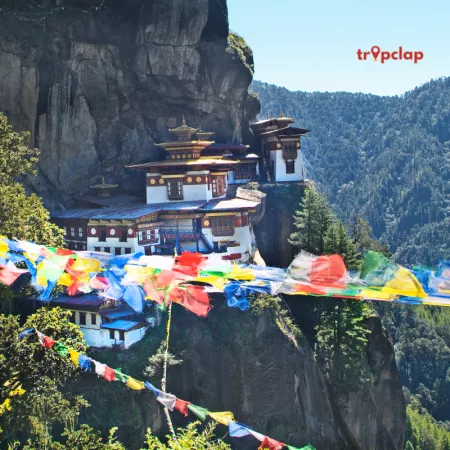
11. Paro
Paro, located in the picturesque Paro Valley of Bhutan, is a charming town that serves as the gateway to the country. Known for its natural beauty, historic landmarks, and rich cultural heritage, Paro attracts travelers from around the world.
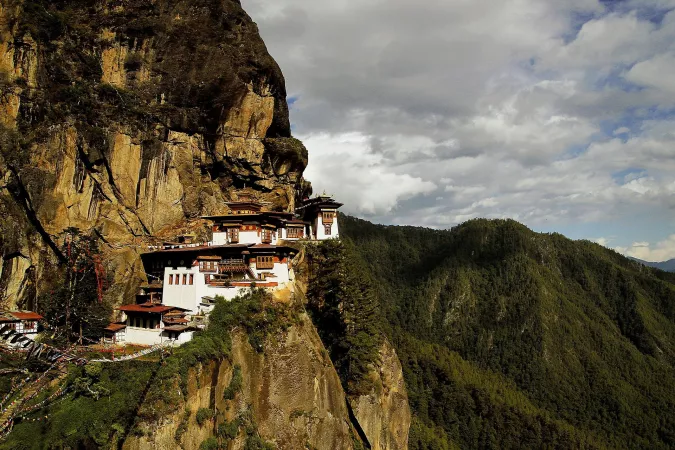
One of the highlights of Paro is its iconic landmark, the Paro Taktsang, also known as the Tiger's Nest. Perched precariously on a cliffside, this sacred Buddhist monastery is a major pilgrimage site and offers breathtaking views of the surrounding valley.
Paro is also home to the magnificent Paro Dzong, also known as Rinpung Dzong. This fortress-monastery, with its beautiful architecture and intricate artwork, is a testament to Bhutanese craftsmanship and serves as an administrative center.
The town of Paro exudes a tranquil ambiance with its traditional Bhutanese houses, cobbled streets, and lush landscapes. Exploring the town's market, visitors can find a range of handicrafts, textiles, and local products.
Paro hosts vibrant festivals, including the famous Paro Tshechu, where locals and visitors gather to witness colorful masked dances, religious ceremonies, and cultural performances.
The natural beauty surrounding Paro is equally captivating. Hiking enthusiasts can embark on trails like the Chele La Pass or the Jomolhari Trek, offering panoramic views of snow-capped mountains, alpine meadows, and pristine valleys.
The warm hospitality of the Paro people adds to the overall experience. Their genuine friendliness and pride in their cultural heritage create a welcoming atmosphere for visitors.
Paro is a destination that seamlessly combines spirituality, history, and natural beauty. Whether exploring its iconic landmarks, immersing in Bhutanese traditions, or marveling at the stunning landscapes, Paro offers a captivating journey that embodies the essence of Bhutan.
History of Paro
Paro, a town located in the Paro Valley of Bhutan, has a rich and significant history that dates back centuries. The town holds great historical and cultural importance in the country.
Paro's history is closely tied to the establishment and growth of Buddhism in Bhutan. It is believed that the famous Paro Taktsang, or Tiger's Nest, was first built in the 8th century as a sacred site for meditation by Guru Rinpoche, who introduced Buddhism to Bhutan.
During the 17th century, under the leadership of Zhabdrung Ngawang Namgyal, Bhutan experienced a period of unification and the construction of significant fortresses and monasteries. Paro Dzong, also known as Rinpung Dzong, was built in the 17th century as a strategic fortification and administrative center.
Paro played a crucial role in defending Bhutan from external invasions. In the early 20th century, the valley witnessed conflicts during the British invasion. The Battle of Paro, fought in 1885, marked a significant event in Bhutanese history and resulted in the reaffirmation of Bhutan's sovereignty.
Throughout the years, Paro has undergone development and modernization while striving to preserve its cultural heritage. The town's traditional architecture, characterized by intricately carved wooden facades and traditional Bhutanese motifs, still reflects the rich history and craftsmanship of the region.
Paro's historical landmarks, such as Paro Taktsang and Paro Dzong, continue to draw pilgrims, tourists, and scholars who seek to delve into Bhutan's past and immerse themselves in its spiritual and cultural legacy.
Today, Paro stands as a testament to Bhutan's rich history and cultural heritage. Its historical sites, scenic landscapes, and warm hospitality offer visitors a glimpse into the country's fascinating past and its enduring traditions.
Culture of Paro
The culture of Paro, a town in Bhutan's Paro Valley, is deeply rooted in Bhutanese traditions and customs. The town showcases a vibrant cultural scene that reflects the unique heritage of the country.
Religion plays a central role in Paro's culture, with Buddhism being the predominant faith. Monasteries and temples dot the landscape, offering spiritual retreats and serving as centers for religious practices. Festivals, known as tshechus, are celebrated with great zeal in Paro and feature masked dances, music, and religious rituals.
Traditional arts and crafts hold a special place in Paro's cultural fabric. Skilled artisans create intricate handcrafted items such as thangka paintings, wooden carvings, and woven textiles. Visitors have the opportunity to witness these crafts being produced and can acquire them as souvenirs or keepsakes.
Paro is known for its vibrant traditional dress, which both men and women wear with pride. The gho, a knee-length robe, and the kira, an ankle-length dress, are distinctive garments adorned with intricate patterns and colors that vary depending on the occasion and the wearer's social status.
Music and dance are integral to Paro's cultural expression. Folk dances, accompanied by traditional instruments like drums, cymbals, and flutes, are performed during festive occasions and cultural events. These dances tell stories of ancient legends and showcase the region's cultural heritage.
Hospitality is deeply ingrained in Paro's culture. Visitors are welcomed with warmth and generosity, and traditional Bhutanese customs, such as offering tea and food, are extended to guests. This reflects the values of community, respect, and harmony that are at the core of Bhutanese culture.
Paro's culture is also closely tied to the region's natural environment. The town's close proximity to the Himalayas and pristine landscapes influences the daily lives and artistic expressions of its inhabitants.
By embracing its cultural roots, Paro has managed to preserve its traditional identity while adapting to the modern world. Visitors to Paro can witness the captivating blend of ancient customs and contemporary influences, immersing themselves in a rich cultural tapestry that defines this enchanting Bhutanese town.
People of Paro
The people of Paro, a town in Bhutan's Paro Valley, are known as Paropas. They are warm, friendly, and deeply connected to their cultural heritage. Paropas embody the values of kindness, respect, and harmony that are fundamental to Bhutanese society.
The Paropas are known for their strong sense of community and close-knit relationships. They value social bonds and often engage in community activities, such as religious festivals and cultural events. These gatherings provide opportunities for the people of Paro to come together, celebrate, and reinforce their shared traditions.
Hospitality is a hallmark of Paropa culture. Visitors are warmly welcomed with open arms, and it is customary to offer tea and refreshments to guests. Paropas take pride in ensuring that visitors feel at home and enjoy their experience in the town.
Paropas actively participate in traditional arts and crafts, which are an integral part of their cultural identity. Many individuals in Paro possess artistic skills in fields such as painting, carving, weaving, and pottery. These crafts are passed down through generations, and the Paropas take pride in preserving and showcasing their artistic heritage.
Education is highly valued in Paro, with a focus on providing opportunities for children to receive a quality education. The town has schools and educational institutions that strive to impart knowledge while promoting the values of ethics, cultural appreciation, and social responsibility.
The people of Paro have a deep reverence for nature and the environment. Living in the stunning Paro Valley, they have a strong connection to the natural world and often engage in practices that promote sustainability and conservation.
Overall, the Paropas contribute to the welcoming and vibrant atmosphere of Paro. Their genuine warmth, cultural pride, and commitment to preserving their heritage create an enriching experience for visitors to the town.
Best places to visit in Paro
Paro Taktsang (Tiger's Nest): This iconic monastery perched on a cliffside is a must-visit. It offers a breathtaking view of the valley and is a significant pilgrimage site in Bhutan.
Paro Dzong (Rinpung Dzong): Explore this magnificent fortress-monastery, known for its stunning architecture, intricate artwork, and picturesque location along the Paro River.
Kyichu Lhakhang: Visit one of Bhutan's oldest and holiest temples, believed to have been built in the 7th century. It is adorned with beautiful murals and houses sacred relics.
National Museum of Bhutan: Discover Bhutanese history, art, and culture through a vast collection of artifacts, including traditional costumes, religious artworks, and historical objects.
Drukgyel Dzong: Explore the ruins of this ancient fortress, which once defended Bhutan against invasions. It offers panoramic views of the surrounding mountains and the peaceful countryside.
Jangtsa Dumtseg Lhakhang: Admire the unique architectural design of this three-story temple built like a chorten. It stands on a hilltop and offers panoramic views of the Paro Valley.
Dumtse Lhakhang: Visit this fascinating temple known for its beautiful paintings, intricate woodwork, and impressive architectural design that represents Bhutanese cosmology.
Chele La Pass: Journey to this mountain pass, one of the highest in Bhutan, offering stunning views of snow-capped peaks, alpine meadows, and rhododendron forests. It is a great spot for nature lovers and photographers.
Dzongdrakha Temple: Hike up to these cliffside temples located above Bondey Village. The temples are known for their religious significance and provide panoramic views of the Paro Valley.
Paro Town: Explore the charming streets of Paro Town, where you can wander through the local market, visit traditional Bhutanese houses, and interact with friendly locals. The town offers a glimpse into everyday life in Bhutan.
These top attractions in Paro offer a mix of cultural, historical, and natural wonders, providing a memorable experience for visitors to this enchanting Bhutanese town.
Read More
Best Time to Visit :
View Packages Help & Support
Call Us Now
+91-8069145442