BEST PLACES TO VISIT
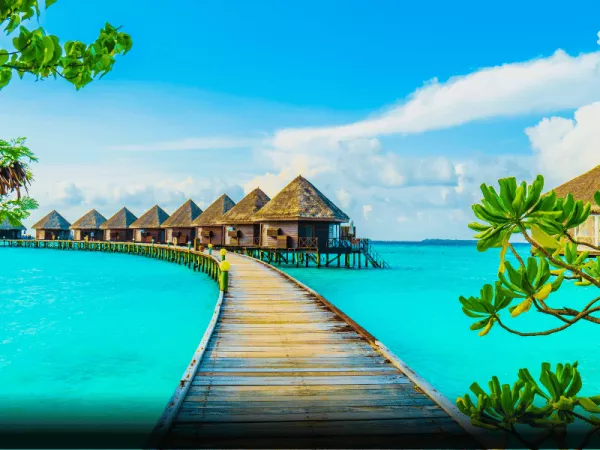
Here's a list of 12 Best Places to visit in Maldives
1. Male
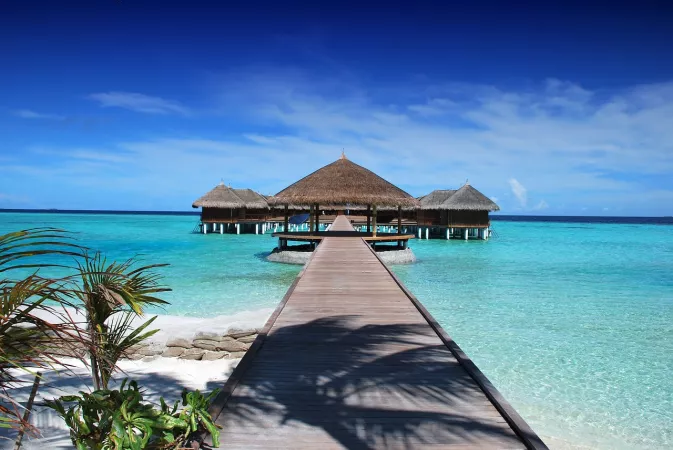
Nestled in the heart of the Maldives, the island of Male stands as a vibrant metropolis and the bustling capital of this tropical paradise. While the Maldives is renowned for its breathtaking resorts and secluded private islands, Male offers a unique glimpse into the local culture, history, and daily life of its inhabitants.
With an area of just 5.8 square kilometers, Male is a compact city that exudes charm and energy. One of the first things that captivates visitors is the picturesque skyline, where modern high-rise buildings stand tall alongside colorful mosques and traditional architecture.
For those interested in the rich history and heritage of the Maldives, Male is home to some of the country's most significant landmarks. The iconic Hukuru Miskiy Mosque, also known as the Old Friday Mosque, is a must-visit. Built in the 17th century, its intricate coral stone architecture and towering minaret showcase the exquisite craftsmanship of the time.
Adjacent to the mosque is the Maldives National Museum, housed in the Sultan's Park. Here, visitors can delve into the country's past through a vast collection of artifacts, ancient royal antiques, and exhibits that highlight the cultural heritage of the Maldivian people.
Exploring Male's vibrant streets, one cannot miss the bustling local markets. From the bustling Fish Market, where fresh catches of the day are laid out in vibrant displays, to the bustling Local Market, known as Majeedhee Magu, where local vendors sell everything from fresh fruits and vegetables to traditional handicrafts and clothing, the markets offer a sensory experience that truly immerses visitors in the local culture.
Male also boasts a picturesque waterfront, known as the "Rasfannu Promenade," offering a tranquil escape from the city's hustle and bustle. The promenade provides stunning views of the Indian Ocean, with colorful boats bobbing in the clear turquoise waters. It's the perfect spot to relax, go for a leisurely stroll, or simply enjoy the breathtaking sunsets that paint the sky in shades of orange and pink.
In recent years, Male has also witnessed a surge in trendy cafes, restaurants, and boutique shops. The city's food scene is a delightful blend of local Maldivian cuisine, international flavors, and fusion dishes. From savoring fresh seafood delicacies to indulging in traditional Maldivian hedhikaa (short eats), the culinary offerings in Male are sure to satisfy even the most discerning palates.
As the transportation hub of the Maldives, Male is the gateway to exploring the pristine islands and luxurious resorts scattered throughout the archipelago. From Male, visitors can easily access nearby islands for day trips, water sports activities, or simply unwinding on pristine white-sand beaches.
Whether it's wandering through historical sites, exploring local markets, savoring delectable cuisine, or simply absorbing the vibrant atmosphere, Male offers a delightful blend of urban charm and cultural immersion. It is a city that beautifully balances tradition and modernity, making it an essential part of any Maldivian journey.
So, if you find yourself in the Maldives, be sure to spend some time in Male. Immerse yourself in the local culture, soak up the breathtaking sights, and create lasting memories in this vibrant capital city.
History of Male
The history of Male, the capital city of the Maldives, dates back centuries, shaped by a fascinating blend of influences from various cultures and civilizations.
The earliest recorded history of Male can be traced back to the 12th century when it was ruled by Buddhist monarchs. It was during this period that the Maldives embraced Islam, which laid the foundation for the country's cultural and religious identity that still prevails today.
Over the centuries, Male has witnessed the rise and fall of different dynasties, with periodic influences from neighboring powers such as the Portuguese, Dutch, and British. These foreign influences left their mark on the architecture, language, and traditions of the Maldives.
During the Portuguese occupation in the 16th century, Male faced significant challenges and was subjected to various attempts of colonization. However, the Maldivian people, led by local hero Muhammad Thakurufaanu, successfully fought against the Portuguese forces and regained their independence.
In the late 19th century, the Maldives became a British protectorate, leading to the modernization of Male and the establishment of the Maldivian sultanate. Male continued to evolve under British influence until the country gained full independence in 1965.
In recent decades, Male has undergone rapid development, transforming into a bustling city with modern infrastructure, high-rise buildings, and a vibrant urban landscape. Today, it serves as the political, economic, and cultural center of the Maldives.
Despite its modernization, Male still preserves elements of its rich history. The city is home to several historical landmarks, including the iconic Hukuru Miskiy Mosque (Old Friday Mosque), which was constructed in the 17th century. The mosque stands as a testament to the architectural skills of the Maldivian craftsmen of that era.
As the capital city, Male continues to play a crucial role in shaping the future of the Maldives. It serves as a hub for commerce, administration, education, and tourism, while also being a custodian of the country's cultural heritage.
The history of Male reflects the resilience, adaptability, and cultural richness of the Maldivian people. It is a city that embodies the country's journey through time, from its Buddhist roots to the Islamic traditions that define its identity today.
Culture of Male
The culture of Male, the capital city of the Maldives, is a vibrant tapestry woven with the threads of Maldivian traditions, Islamic influences, and cosmopolitan dynamics. As the center of commerce, administration, and education, Male is a melting pot of diverse cultures and communities.
At the heart of Male's culture is the Islamic faith, which plays a significant role in the daily lives of its inhabitants. Mosques are scattered throughout the city, and the call to prayer resonates in the air, fostering a strong sense of religious devotion and unity.
Maldivian cultural practices and traditions are cherished in Male. The Maldivian language, Dhivehi, is spoken widely, and traditional music, known as "Bodu Beru," is often performed during cultural events and celebrations. Traditional crafts, such as lacquer work and mat weaving, are still practiced and appreciated.
Male is also influenced by the cosmopolitan nature of the city. With a growing expatriate population and a diverse range of international visitors, the city embraces cultural diversity. This is reflected in the culinary scene, with a wide array of restaurants serving not only Maldivian cuisine but also international flavors from around the world.
The cultural calendar of Male is filled with festivals and events, where locals come together to celebrate. The Maldives Independence Day, Eid al-Fitr, and Ramadan are some of the notable occasions that showcase the unity and cultural pride of the Maldivian people.
In essence, the culture of Male is a beautiful blend of tradition, religion, and global influences. It is a city where old customs coexist with modernity, creating a unique and dynamic cultural fabric that embodies the spirit of the Maldives.
People of Male
The people of Male, the capital city of the Maldives, are a diverse and vibrant community that contribute to the city's rich tapestry of culture and society. With a population of over 150,000, Male is a melting pot of various ethnicities, languages, and backgrounds.
The Maldivian people, known as Dhivehin, form the majority of the population in Male. They are known for their warm hospitality, friendly nature, and strong sense of community. Dhivehin have a deep-rooted connection to their cultural heritage and take pride in preserving and promoting Maldivian traditions and customs.
In addition to the Dhivehin, Male is home to a significant expatriate community from different parts of the world. Expatriates contribute to the city's diversity, bringing their own unique cultures, languages, and experiences. The expatriate community adds a cosmopolitan flavor to the city, enhancing its multicultural atmosphere.
The people of Male are hardworking and resilient, as they navigate the challenges and opportunities that come with living in a bustling capital city. Education plays a significant role in the lives of Male's residents, with numerous schools, colleges, and educational institutions catering to their learning needs.
As a coastal city, fishing has been a traditional occupation for many Male residents. However, in recent years, the city's economy has diversified, with a focus on industries such as tourism, trade, and services. Many people in Male are employed in these sectors, contributing to the city's growth and development.
The people of Male embrace their cultural heritage while also embracing the influences of the globalized world. They are open-minded, adaptable, and welcoming to visitors from around the world. The vibrant and diverse population of Male reflects the city's dynamic nature and makes it an exciting place to live, work, and explore.
Best time to visit Male
The best time to visit Male is during the dry season, from November to April, when the weather is sunny and pleasant.
Top Places to Visit in Male:
Malé Fish Market: Experience the vibrant atmosphere of the bustling fish market, where you can witness local fishermen bringing in their fresh catches and explore a wide variety of seafood.
Malé Local Market: Immerse yourself in the local culture by strolling through the bustling local market, offering a wide range of fruits, vegetables, spices, local handicrafts, and clothing.
Malé Friday Mosque (Hukuru Miskiy): Visit this historic mosque, built in the 17th century, to admire its exquisite coral stone architecture, intricate woodwork, and beautiful carvings.
Maldives National Museum: Discover the rich history and heritage of the Maldives through a vast collection of artifacts, ancient royal antiques, and exhibits that showcase the country's cultural heritage.
Sultan Park: Relax in this serene park, located near the museum, offering a peaceful retreat from the city's hustle and bustle. Enjoy lush greenery, beautiful flowers, and tranquil ponds.
Artificial Beach: Unwind and enjoy a leisurely stroll or sunbathe on the sandy shores of this man-made beach, offering a refreshing escape within the city.
Tsunami Monument: Pay your respects to the victims of the 2004 Indian Ocean tsunami at this poignant memorial that serves as a reminder of the resilience of the Maldivian people.
Islamic Centre: Admire the iconic golden dome and grand architecture of the Islamic Centre, which houses the largest mosque in the Maldives, the Grand Friday Mosque.
Republic Square: Take a walk through this central square, surrounded by government buildings and statues, and soak in the ambiance of the city's administrative hub.
Male' Fisherman's Park: Enjoy a leisurely stroll along the scenic waterfront promenade, lined with palm trees and offering picturesque views of the Indian Ocean, colorful boats, and the city skyline.
Read More
Best Time to Visit :
View Packages 
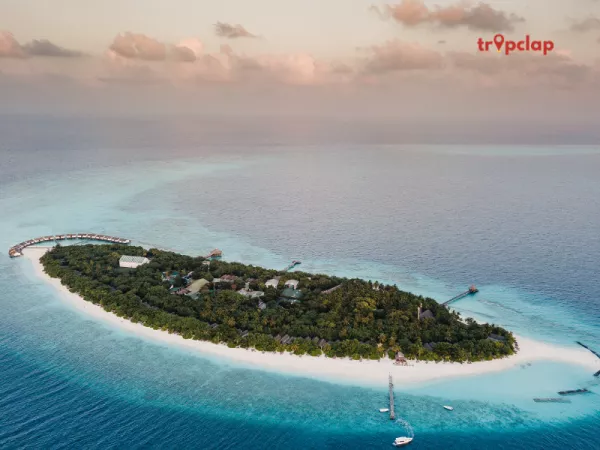
4. Baa Atoll
Baa Atoll, located in the stunning Maldives archipelago, is a true tropical paradise that captures the essence of natural beauty and tranquility. Renowned for its pristine white sandy beaches, crystal-clear turquoise waters, and vibrant marine life, Baa Atoll offers an unforgettable escape for travelers seeking a slice of paradise.
Situated in the central part of the Maldives, Baa Atoll is a UNESCO Biosphere Reserve, renowned for its rich biodiversity and exceptional marine ecosystems. The atoll is home to vibrant coral reefs, teeming with a kaleidoscope of colorful fish, sea turtles, manta rays, and even whale sharks. This makes it a haven for snorkelers and divers, offering unparalleled opportunities to explore the underwater wonders of the Maldives.
Beyond its mesmerizing marine life, Baa Atoll also boasts pristine islands, each with its own unique charm. From luxurious resorts to secluded hideaways, visitors can indulge in the ultimate beach getaway experience. Picture yourself lounging on powdery soft sands, surrounded by swaying palm trees, and being caressed by gentle sea breezes. The resorts in Baa Atoll offer exquisite accommodation, world-class dining options, and a range of activities, ensuring a truly unforgettable stay.
One of the highlights of Baa Atoll is the mesmerizing Hanifaru Bay, a gathering spot for whale sharks and manta rays during the southwest monsoon season. This natural phenomenon attracts divers and snorkelers from around the world who come to witness these majestic creatures in their natural habitat.
For those seeking a deeper connection with nature, Baa Atoll also offers opportunities to explore uninhabited islands, take sunset cruises, and engage in water sports such as kayaking and windsurfing. The calm and peaceful surroundings create the perfect environment for relaxation, rejuvenation, and embracing the raw beauty of nature.
In addition to its natural wonders, Baa Atoll offers a glimpse into the local Maldivian culture. Visitors can explore local villages, interact with friendly locals, and experience traditional Maldivian cuisine. From sampling freshly caught seafood to savoring aromatic spices, the culinary delights of Baa Atoll will tantalize your taste buds and introduce you to the authentic flavors of the Maldives.
To preserve the fragile ecosystem of Baa Atoll, sustainable tourism practices are embraced by the local communities and resorts. Efforts are made to minimize the carbon footprint, promote responsible diving and snorkeling, and educate visitors about the importance of conserving this precious environment.
Whether you seek adventure, relaxation, or an intimate connection with nature, Baa Atoll offers it all. With its breathtaking natural beauty, diverse marine life, and warm hospitality, this tropical paradise invites you to embark on a journey of discovery and create memories that will last a lifetime. Baa Atoll is a testament to the remarkable beauty of the Maldives, a destination that continues to captivate the hearts of travelers from across the globe.
History of Baa Atoll
Baa Atoll, located in the Maldives, has a rich and fascinating history that dates back centuries. The atoll has been inhabited for thousands of years, and its history is intertwined with the broader history of the Maldives.
Baa Atoll has served as an important trade route throughout history, connecting the Maldives with various parts of Asia, Africa, and the Middle East. Traders from Arabia, Persia, and India visited the atoll, bringing goods and influencing the local culture.
During the 12th century, the Maldives embraced Islam as its official religion, and Baa Atoll followed suit. Mosques and Islamic centers were established, becoming important landmarks and cultural symbols within the atoll.
The Maldives was a sultanate for many centuries, and Baa Atoll was under the rule of various sultans and dynasties. The atoll flourished under their governance, with local communities engaging in fishing, agriculture, and craftsmanship.
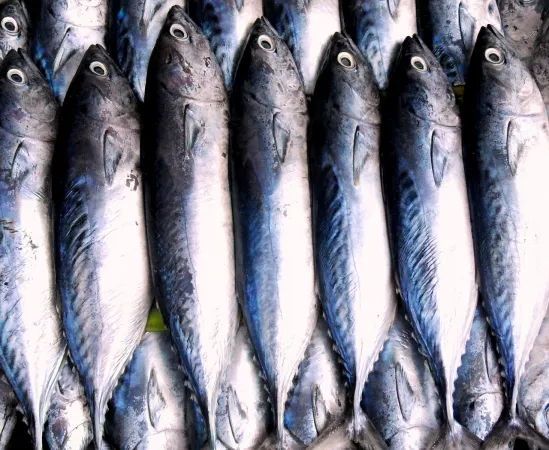
In more recent history, Baa Atoll became a significant area for the fishing industry, with its abundant marine resources providing sustenance and economic opportunities for the local population. Tuna fishing, in particular, became a major industry in the region.
In 2011, Baa Atoll achieved international recognition for its exceptional biodiversity and ecological significance when it was designated as a UNESCO Biosphere Reserve. This recognition highlighted the atoll's commitment to preserving its natural environment and promoting sustainable tourism.
Exploring the history of Baa Atoll provides a deeper understanding of its cultural roots and the resilience of its people throughout the ages. It adds an extra layer of appreciation for the natural and cultural wonders that make Baa Atoll a truly unique destination within the Maldives.
Culture of Baa Atoll
The culture of Baa Atoll, located in the Maldives, is deeply rooted in the traditions and customs of the Maldivian people. The local culture reflects a blend of influences from various civilizations, including Arab, Persian, Indian, and Southeast Asian cultures.
The Maldivian culture, including that of Baa Atoll, is predominantly influenced by Islam, which became the official religion of the Maldives in the 12th century. Islam shapes the daily lives, customs, and practices of the local population. Mosques are important centers of community life, and Friday prayers hold special significance.
Baa Atoll has its own unique cultural identity, with customs and traditions passed down through generations. The people of the atoll are known for their warm hospitality, friendliness, and strong community bonds. Visitors to Baa Atoll can experience the genuine warmth and welcoming nature of the locals.
Traditional music and dance play an important role in the cultural fabric of Baa Atoll. Bodu Beru, a traditional drumming performance, is a popular form of entertainment and is often accompanied by lively dances. The music and dance reflect the joy and celebration of the Maldivian people.
Local cuisine in Baa Atoll is a culinary delight that showcases the flavors of the Maldives. Freshly caught seafood, coconut, rice, and spices are staple ingredients in traditional dishes. Visitors can savor delicacies such as Garudhiya (fish soup), Mas Huni (shredded smoked fish), and Mashuni (tuna salad).
Craftsmanship is also an integral part of the culture in Baa Atoll. Local artisans excel in the art of weaving, producing beautiful mats and baskets from coconut palms. The intricate craftsmanship can be observed in the intricate patterns and designs of their handwoven products.
Preserving cultural heritage and traditions is a priority in Baa Atoll. Local festivals and events provide opportunities for the community to come together and celebrate their heritage. These festivities include traditional music and dance performances, traditional sports competitions, and cultural exhibitions.
By immersing oneself in the culture of Baa Atoll, visitors gain a deeper appreciation for the rich heritage, customs, and way of life of the Maldivian people. It is through these cultural experiences that the true essence of Baa Atoll is revealed, creating lasting memories for those who embrace its vibrant and welcoming culture.
Things to Do in Baa Atoll:
Snorkeling and Diving: Explore the vibrant underwater world of Baa Atoll by snorkeling or diving. Discover colorful coral reefs, swim alongside majestic manta rays, encounter graceful sea turtles, and witness the beauty of tropical fish species.
Visit Hanifaru Bay: Experience the awe-inspiring gathering of whale sharks and manta rays in Hanifaru Bay. Take a guided snorkeling excursion to witness these magnificent creatures up close and marvel at their gentle presence.
Island Hopping: Embark on island-hopping adventures to discover the unique charms of the different islands within Baa Atoll. Each island has its own character, offering secluded beaches, lush vegetation, and opportunities for relaxation and exploration.
Sunset Cruises: Indulge in the breathtaking beauty of Baa Atoll by taking a sunset cruise. Sail across the calm waters, enjoy panoramic views of the horizon, and witness the sky transforming into a canvas of vibrant colors.
Dolphin Watching: Set sail on a dolphin-watching excursion and witness these playful creatures leaping and frolicking in the crystal-clear waters of Baa Atoll. It's an enchanting experience that will leave you in awe of nature's wonders.
Picnic on a Sandbank: Enjoy a private picnic on a secluded sandbank in the middle of the ocean. Bask in the serenity of the surroundings, soak up the sun, and savor a delicious meal prepared by your resort or tour operator.
Spa and Wellness: Indulge in ultimate relaxation and rejuvenation at the luxurious spas in Baa Atoll. Pamper yourself with a range of holistic treatments, massages, and therapies that will leave you feeling refreshed and revitalized.
Explore Local Culture: Immerse yourself in the local Maldivian culture by visiting nearby villages and interacting with the friendly locals. Learn about traditional crafts, sample local cuisine, and gain insights into their way of life.
Kayaking and Stand-Up Paddleboarding: Enjoy the calm waters of Baa Atoll by kayaking or trying stand-up paddleboarding. Glide through the turquoise lagoons, explore hidden coves, and enjoy the tranquility of your surroundings.
Sunset Beach Walks: Take romantic beach walks during the golden hour, as the sun sets and paints the sky with hues of orange and pink. Feel the soft sand beneath your feet and let the gentle waves serenade you.
Read More
Best Time to Visit :
View Packages 
Help & Support
Call Us Now
+91-8069145442