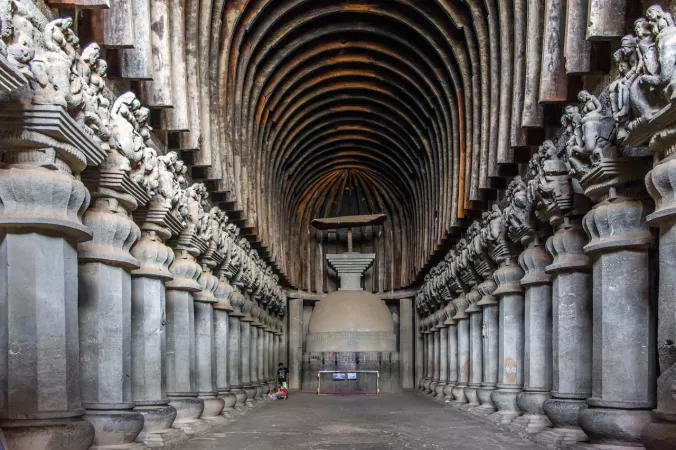
BEST PLACES TO VISIT
Here's a list of 31 Best Places to visit in Maharashtra

1. Alibag
g is a town and a municipal council in Raigad district in the Indian state of Maharashtra. It is located on the Konkan Coast, about south of Mumbai.
The town is known for its beaches and temples. The beaches are popular for swimming, sunbathing, and fishing. The temples include the "Hanuman Temple" and the "Shreevardhan Temple".
The town is also home to a naval base.
The town was originally known as "Alibaug", but it was later renamed to "Alibag". The name "Alibag" is derived from the Arabic word "al-baq" meaning "the garden".
Alibag was founded in the 17th century by Shivaji Maharaj, the founder of the Maratha Empire.
Alibag is located at . It has an average elevation of .
The climate in Alibag is tropical. It experiences three seasons: summer, monsoon, and winter. The temperature ranges from to . The humidity ranges from 60% to 90%.
The town is home to a naval base.
As of the 2011 Indian census, Alibag had a population of 101,746. Males constituted 52% of the population and females 48%. Alibag had an average literacy rate of 85%, higher than the national average of 59.5%: male literacy was 88%, and female literacy was 82%. In Alibag, 13% of the population was under 6 years of age.
The major language spoken in Alibag is Marathi. Other languages spoken include Hindi, Urdu, and English.
The majority of the population in Alibag is Hindu. Other religions include Muslim, Christian, and Jain.
The economy of Alibag is based on agriculture, fishing, and tourism. The main crops grown in Alibag are rice, sugarcane
Read More
Best Time to Visit :
View Packages 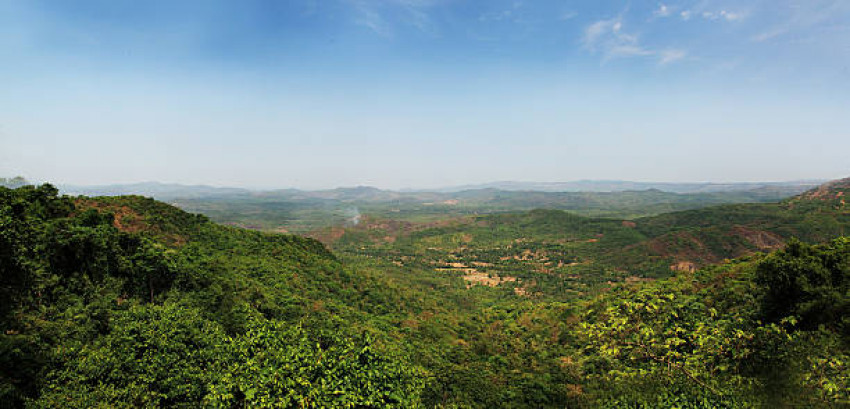
2. Amboli
Located in the Mumbai Metropolitan Region, Amoli is a small village in the Raigad district of Maharashtra. The village is known for its scenic beauty and its proximity to the popular tourist destination of Mahabaleshwar. Amoli is also home to a few ancient temples, including the Mahalaxmi Temple.
Read More
Best Time to Visit :
View Packages 
4. Bhandardara
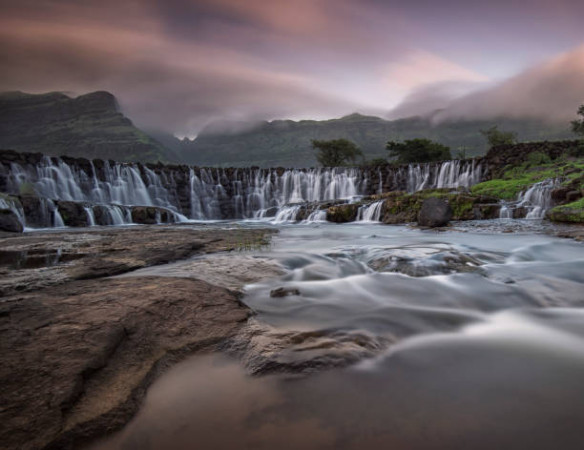
Located in the Ahmadnagar district of Maharashtra, Bhandardara is a small town that is known for its natural beauty and serene atmosphere. The town is situated around the Bhandardara Lake and is a popular tourist destination. There are a number of tourist attractions in and around Bhandardara, including the Arthur Lake, the Wilson Dam, the Randha Falls, and the Umbrella Falls. The town is also a popular destination for trekking and hiking. Bhandardara is well connected to other parts of Maharashtra by road. The nearest railway station is located in Manmad, which is about 50 km away. The nearest airport is located in Pune, which is about 125 km away.
Read More
Best Time to Visit :
View Packages 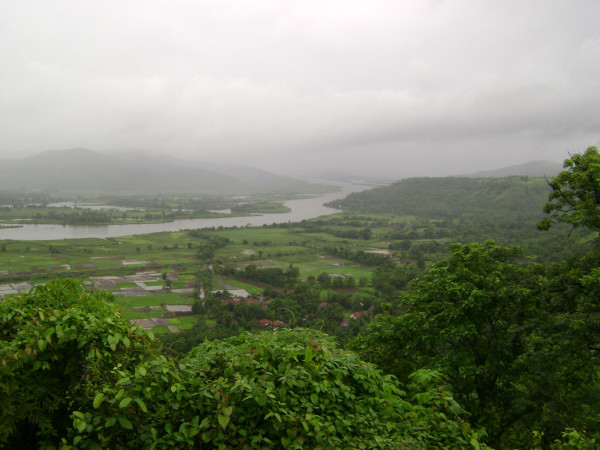
5. Chiplun
own of Chiplun is located in the Ratnagiri district of Maharashtra. It is a popular tourist destination, known for its beaches, temples, and wildlife.
Some of the popular tourist attractions in Chiplun include the Ratnagiri Fort, the Devgad Beach, the Vashishti River, the Keshavraj Temple, and the Gopalgad Fort.
There are also a number of beaches in the area, including the Devgad Beach, the Dabhol Beach, the Tarkarli Beach, and the Sindhudurg Beach.
The climate in Chiplun is tropical, with hot and humid summers and mild winters.
There are a number of accommodation options in Chiplun, including hotels, resorts, and guest houses.
There are a number of restaurants in Chiplun, serving a variety of local and international cuisine.
There are a number of shopping options in Chiplun, including local markets and shopping malls.
The nearest airport to Chiplun is the Ratnagiri Airport, located about 45 km away. The nearest railway station is the Chiplun Railway Station, located about 2 km
Read More
Best Time to Visit :
View Packages 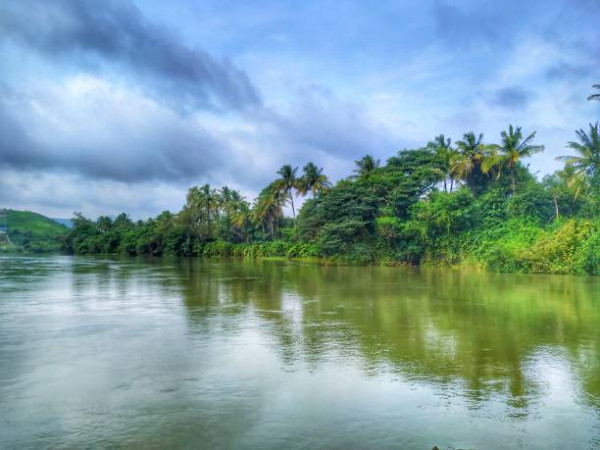
6. Kamshet
et is a hill station in the Pune district of Maharashtra, India. It is located at an altitude of 1,260 metres (4,134 ft).
The nearest railway station is Lonavala, located at a distance of 18 km (11 mi). The nearest airport is Pune Airport, located at a distance of 47 km (29 mi).
The hill station is known for its trekking trails. The Bhushi Dam is located near the hill station.
The hill station is home to a number of tourist attractions, including the Kamleshwar Temple, the Bhushi Dam, and the Tiger's Leap.
The hill station is also home to a number of trekking trails, including the Kamshet-Bhushi Dam trek and the Kamshet-Tiger's Leap trek.
The hill station is well connected to other parts of the country by road and rail. The nearest railway station is Lonavala, located at a distance of 18 km (11 mi). The nearest airport is Pune Airport, located at a distance of 47 km (29
Read More
Best Time to Visit :
View Packages 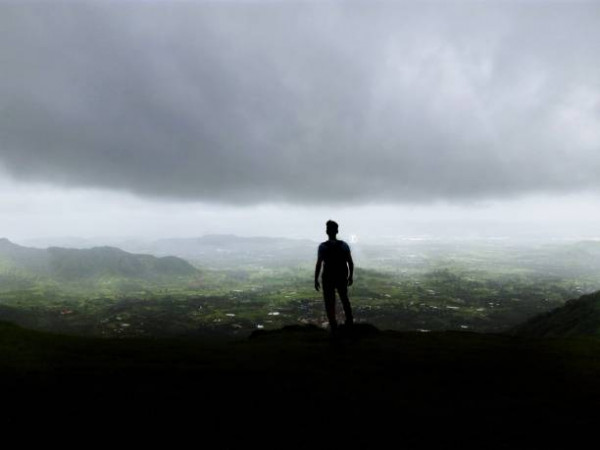
8. Khandala
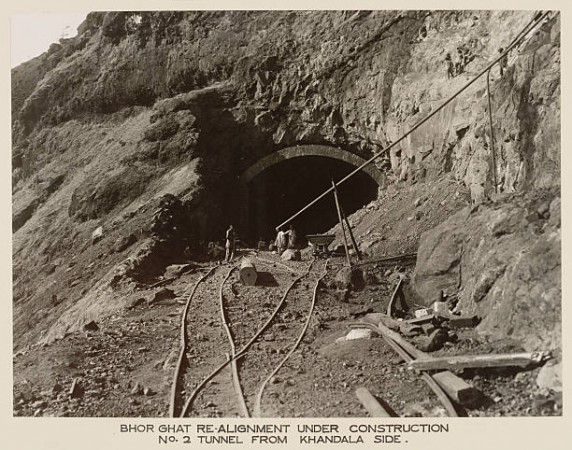
ala is a hill station in the Western Ghats mountain range, near Mumbai, in the Indian state of Maharashtra.
Khandala is located in the Sahyadri mountain range. The hill station is situated at an altitude of 604 metres (1,984 feet) above mean sea level. It is located about 104 kilometres (64 miles) from the city of Mumbai and is a popular weekend getaway for Mumbaikars.
The hill station is known for its pleasant climate and scenic views. It is a popular destination for trekking and hiking. The popular tourist destinations in the area include the Tiger's Leap, the Bhushi Dam, and the Lonavala and Khandala Caves.
The nearest railway station to Khandala is Lonavala railway station. Lonavala is about 7 kilometres (4 miles) from Khandala. The nearest airport is the Chhatrapati Shivaji International Airport in Mu
Read More
Best Time to Visit :
View Packages 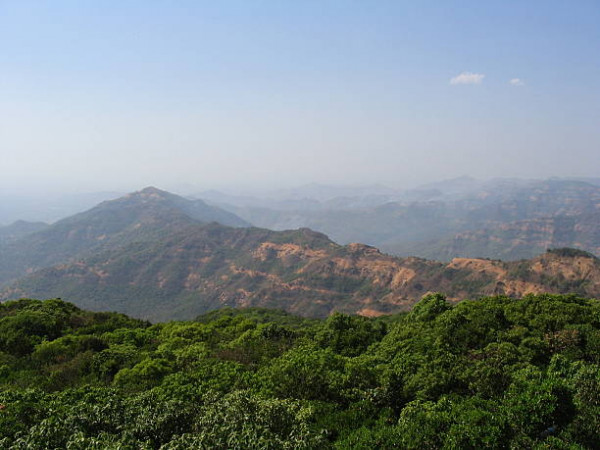
9. Kolhapur
pur is a city located in the state of Maharashtra in India. It is the district headquarters of Kolhapur District. Kolhapur is the fourth largest city in the state of Maharashtra after Mumbai, Pune and Nagpur. It is known as the "Queen of the Deccan" and is also the cultural capital of Maharashtra. Kolhapur is located on the banks of the Panchganga River.
The city of Kolhapur was founded in the 11th century by Chhatrapati Shahu Maharaj, the grandson of the founder of the Maratha Empire, Shivaji. Kolhapur was an important cultural and commercial centre in the Deccan region during the 18th and 19th centuries. The city is known for its traditional Marathi culture, cuisine and architecture. It is also home to several important Hindu and Jain temples.
Kolhapur is an important industrial and commercial centre in western Maharashtra. The city's industries include cotton textiles, sugar milling, pharmaceuticals, automobile production and leather processing. Kolhapur is also a major agricultural centre, with a large number of cotton, sugarcane, groundnut and soybean crops.
Kolhapur has a large number of tourist attractions including the Mahalakshmi Temple, the Rankala Lake, the New Palace, the Siddhagiri Math and the Ashtavinayak temples. The city is also home to a number of museums, including the Kolhapur Municipal Museum and the Shivaji Maharaj Mu
Read More
Best Time to Visit :
View Packages 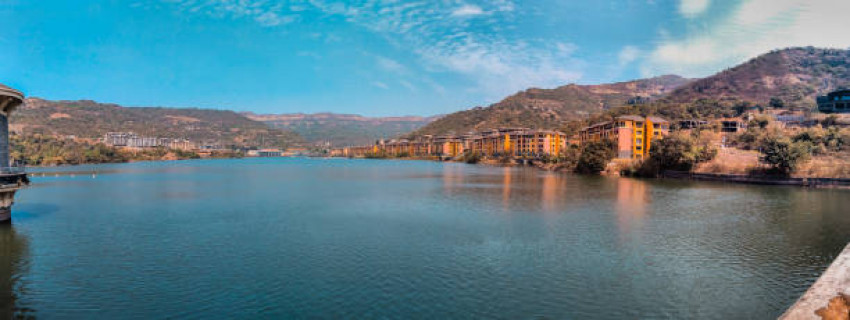
10. Lavasa
a is a private city being developed in the Maharashtra state of India. It is located near the city of Pune. The city is being built by the Lavasa Corporation, a subsidiary of the Hindustan Construction Company.
The city is designed to have a Mediterranean feel, with narrow streets, plazas and public squares. It will be home to a range of residential and commercial buildings, as well as schools, hospitals and other public amenities.
The first phase of the city's development was completed in 2010. It is currently home to around 10,000 people. The full city is expected to be completed by
Read More
Best Time to Visit :
View Packages 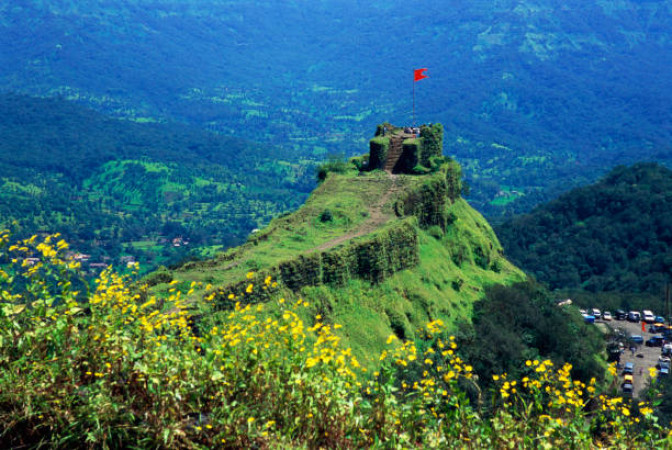
11. Mahabaleshwar
Located in the western Ghats this Hill Station is also called "The Land of Strawberries", Mahabaleshwar is also famous for its majestic heights and beautiful grasslands. It is one of the great vacation venues for the people from Mumbai and Pune.
Best places to visit Elephant's Head Top: It got its name because the peak resembles the head of the elephant. This stunning point is well-known for its view of the ranges from the top. Arthur's Seat: Made up of 6 different points, Arthur's Seat is famous for its peaks. It got its name after an incident when Arthur's wife and daughter died by growing in the Savitri River, he used to sit there staring at the river below. Venna Lake: A full package, the lake is a manmade lake, it offers rowboats and paddleboats. Therefore, it is usually crowded there.
How to reach
By Air: The nearest airport to Mahabaleshwar is located in Pune at a distance of 120km.
By Train: Wathar is the nearest railway station from Mahabaleshwar at a distance of 60km.
By Road: Maharashtra State provides regular bus services from nearby cities such as Mumbai, Pune, Nasik to Mahabaleshwar.
Best time to visit
The ideal time to plan a trip to Mahabaleshwar is Summers from March to June when the weather is warm and enjoyable.
Read More
Best Time to Visit :
View Packages 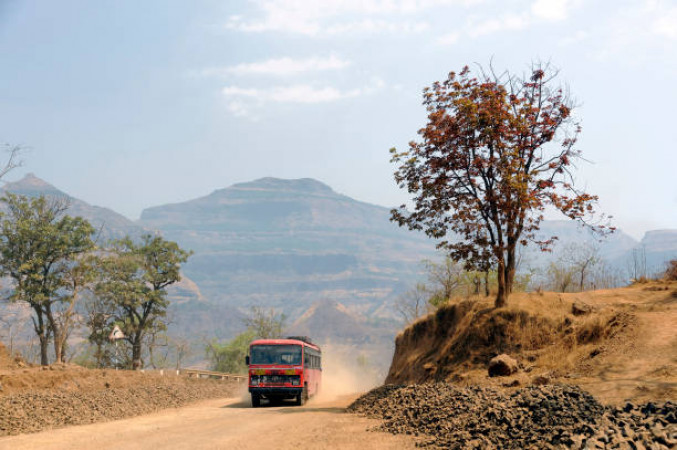
12. Malshej Ghat
alabar region is known for its spices and Malabar Coast is dotted with lovely beaches. Malshej Ghat is one of the most popular tourist destinations in this region. The place offers mesmerizing views of the Sahyadri Hills and the pristine waters of the Arabian Sea.
Malshej Ghat is a narrow pass that connects the two districts of Thane and Raigad. The place is known for its natural beauty and is a favourite spot for mountain biking, trekking, and bird watching. The ghat is also home to a number of rare and endangered species of flora and fauna.
Some of the popular tourist attractions in Malshej Ghat include the Marathi Mandir, the Pimpalgaon Joga Dam, the Harishchandragad Fort, and the Ajantha C
Read More
Best Time to Visit :
View Packages 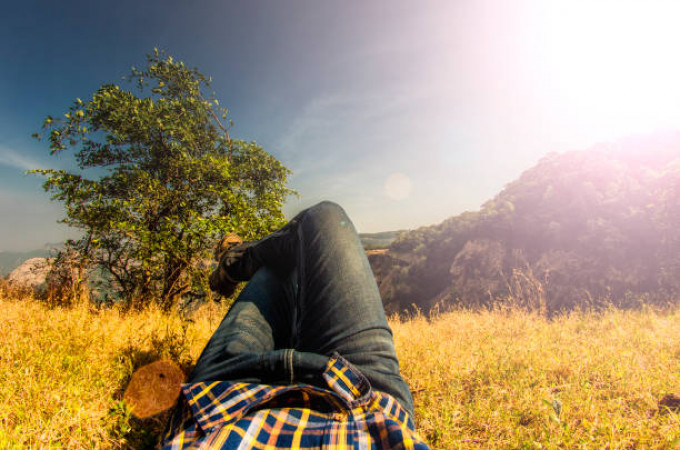
13. Matheran
Standing at a distance of 100km from Mumbai, this hill station is the smallest yet beautiful hill station in the world, that's why it has earned its name "Cutest Little Hill Station in India". This is one of the very few places in the world which do not allow vehicles in it. With that said you have to follow the instructions that are given to you.
Best places to visit Louisa Point: The main attraction Mathern has to offer is the Lousia point, where one gets to see two views at the top of the point, one of the sky touching mountain and the other is of the lack below which looks like a diamond necklace. Shivaji's Ladder: It is said that Maratha Emperor Chhatrapati Shivaji used this pathway for his hunting trip in Matheran. These ladder-shaped steps are surrounded by beautiful woods around them making them more attractive. One Tree HillPoint: The hill has only one tree grown off its top that's why it is called so, this place is also a wonder to visit.
How to reach
By Air: Mumbai airport is the nearest airport to Matheran, located at a distance of 100 km.
By Train: The nearest railway station near Matheran is located at a distance of 20 km and the name of the railway station is Neral
By Road: Matheran is well connected through buses to Mumbai (54km), Pune (132km), Mahabaleshwar (203km), and Panchgani (224km).
Best time to visit
October to November is the best time to visit Matheran as the intense monsoon showers have eased out and the hill station appears cloaked in green.
Read More
Best Time to Visit :
View Packages 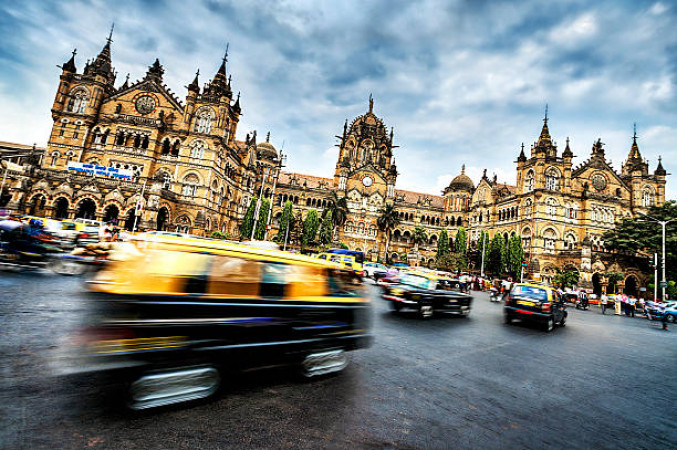
14. Mumbai
Mumbai, the financial capital of India, is one of the most vibrant and diverse cities in the world. Located on the western coast of India, Mumbai is the capital of the state of Maharashtra and is home to over 20 million people, making it one of the most populous cities in the world.
Mumbai is a city of contrasts, with towering skyscrapers standing alongside slums, and luxurious shopping malls adjacent to bustling street markets. The city is a melting pot of cultures and religions, with people from all over India and the world calling Mumbai their home.
One of the most iconic landmarks of Mumbai is the Gateway of India, a towering archway overlooking the Arabian Sea.
Built in 1924, the Gateway of India is a popular tourist destination and a symbol of Mumbai's colonial past. Visitors can take a boat ride from the Gateway to the nearby Elephanta Caves, a UNESCO World Heritage Site that is home to ancient Hindu and Buddhist rock-cut temples.
Another popular attraction in Mumbai is Marine Drive, a picturesque coastal road that stretches for 3.6 kilometers along the Arabian Sea. Locally known as the "Queen's Necklace" due to the way it glows at night, Marine Drive is a popular spot for locals and tourists alike to relax and take in the stunning views of the sea.
Mumbai is also known for its vibrant food scene, with street food stalls serving up delicious snacks and meals at every corner. From spicy vada pavs to savory pav bhaji, Mumbai's street food is a must-try for any foodie visiting the city. For those looking for a more upscale dining experience, Mumbai has no shortage of fine dining restaurants serving up world-class cuisine.
In addition to its rich cultural heritage and delicious food, Mumbai is also home to a thriving film industry, known as Bollywood.
Many of India's most popular films are produced in Mumbai, and visitors can take a tour of the Bollywood studios to get a behind-the-scenes look at how these movies are made.
Despite its many attractions, Mumbai is also a city with its fair share of challenges. The city's rapid growth has led to issues with overcrowding, traffic congestion, and pollution. However, despite these challenges, Mumbai continues to be a city full of energy and life, with its people always finding new and innovative ways to overcome obstacles and make the most of their vibrant city.
In conclusion, Mumbai is a city like no other, with a unique blend of history, culture, and modernity that makes it one of the most exciting and dynamic cities in the world. From its iconic landmarks to its delicious food and thriving film industry, Mumbai has something for everyone, and is a must-visit destination for anyone looking to experience the vibrant and diverse culture of India.
History
Mumbai, also known as Bombay, has a rich and fascinating history that spans over five centuries. The city's history is closely tied to its development as a major port city, and its role in the global trade network has played a significant role in shaping its culture and identity.
Mumbai was originally a group of seven islands that were inhabited by fishing communities. In the late 14th century, the islands were ruled by the Sultanate of Gujarat, and later came under the control of the Portuguese in the early 16th century.
The Portuguese established a trading post in the city, and the islands became an important center of trade in the region. The British East India Company established a factory in Bombay in 1613, and by the mid-18th century, the British had taken control of the city.
Under British rule, Bombay grew rapidly, with the construction of major infrastructure projects such as the Mumbai Harbour, the railway network, and the Bombay Stock Exchange. The city also became an important center of Indian nationalism, with many of the country's leading independence activists hailing from Bombay.
During World War II, Bombay was a key target of Japanese bombing raids, and the city suffered significant damage. However, it quickly recovered after the war, and continued to grow in importance as a commercial and cultural hub in post-independence India.
In the 1990s, Mumbai experienced significant economic growth, with the city becoming a major center of finance, commerce, and entertainment. However, this growth also led to challenges such as overcrowding, traffic congestion, and pollution, which continue to be major issues for the city to this day.
Today, Mumbai is a vibrant and dynamic city, known for its rich cultural heritage, thriving film industry, and delicious cuisine. Its history as a major port city has left a lasting impact on its culture and identity, making it a truly unique and fascinating destination for visitors from around the world.
Culture
Mumbai, the bustling metropolis on the western coast of India, is a melting pot of cultures and traditions. The city's diverse population includes people from all over India, as well as a large number of expats and immigrants from around the world, giving Mumbai a unique and vibrant culture.
The city's cultural heritage is a blend of its colonial past and its ancient Indian roots. The Portuguese, British, and other European powers that ruled the city have left a lasting impact on its architecture, cuisine, and way of life. The city's colonial landmarks, such as the Gateway of India and the Victoria Terminus railway station, are some of the most iconic symbols of Mumbai's cultural heritage.
Mumbai is also home to a thriving film industry, known as Bollywood, which produces hundreds of films each year. Bollywood films are an important part of Indian popular culture, and Mumbai is often referred to as the "City of Dreams" for its role in shaping the careers of many of India's most famous actors and actresses.
Mumbai's cuisine is as diverse as its population, with a wide range of culinary traditions represented in the city's street food stalls and fine dining restaurants. Mumbai is famous for its street food, which includes dishes such as vada pav, pav bhaji, and chaat. The city is also home to many fine dining restaurants serving up world-class cuisine, from traditional Indian dishes to international flavors.
Religion is an important aspect of Mumbai's cultural identity, with Hindus, Muslims, Christians, and Sikhs all represented in the city. Many of the city's landmarks, such as the Haji Ali Dargah and the Siddhivinayak Temple, are important religious sites that attract visitors from all over India.
Mumbai's vibrant music and arts scene is another important aspect of its culture. The city is home to many art galleries, museums, and music venues, showcasing the work of local and international artists. From classical Indian music to modern electronic beats, Mumbai has a thriving music scene that appeals to a wide range of tastes.
In conclusion, Mumbai's culture is a unique and fascinating blend of its colonial past, ancient Indian roots, and modern influences. Its diverse population, thriving film industry, delicious cuisine, and rich artistic traditions make Mumbai a truly unique and vibrant city that is unlike any other in the world.
People
Mumbai is a cosmopolitan city with a diverse population of over 20 million people. The city is home to people from all over India, as well as many expats and immigrants from around the world. The people of Mumbai are known for their resilience and hardworking nature, as well as their love for food, music, and culture. Despite the challenges of living in a densely populated city with limited resources, Mumbai's people are known for their warm hospitality and spirit of community. Mumbai is a melting pot of cultures and traditions, and its people are what make it a truly unique and vibrant city.
Best time to visit
The best time to visit is between October to February, during a moderately wintery climate, so that one can enjoy sightseeing in pleasant weather
Places to visit
Mumbai, the bustling metropolis on the western coast of India, has a wide range of attractions for visitors to explore. From historic landmarks to modern cultural hubs, here are 12 of the best places to visit in Mumbai:
Gateway of India - This iconic landmark was built to commemorate the visit of King George V and Queen Mary to India in 1911 and has become a symbol of Mumbai's colonial past.
Chhatrapati Shivaji Terminus - Formerly known as Victoria Terminus, this historic railway station is a UNESCO World Heritage site and one of Mumbai's most recognizable landmarks.
Marine Drive - This picturesque promenade along the Arabian Sea is a popular spot for a leisurely stroll, with stunning views of the sea and the city skyline.
Elephanta Caves - These ancient rock-cut caves on Elephanta Island are a UNESCO World Heritage site and contain some of the finest examples of Indian rock-cut architecture.
Haji Ali Dargah - This beautiful mosque and shrine is located on an island in the Arabian Sea and is an important religious site for Muslims in Mumbai.
Siddhivinayak Temple - This Hindu temple dedicated to Lord Ganesha is one of the most famous temples in Mumbai and attracts thousands of devotees each day.
Crawford Market - This bustling market in South Mumbai is a great place to shop for everything from fresh produce to souvenirs.
Colaba Causeway - This popular shopping street in South Mumbai is known for its colorful stalls selling everything from jewelry to clothing.
Juhu Beach - This popular beach in the suburbs of Mumbai is a great place to relax and enjoy the sea breeze.
Nehru Centre - This cultural center in Worli hosts a wide range of events and exhibitions, showcasing the best of Indian art, music, and culture.
Chor Bazaar - This famous flea market in South Mumbai is a treasure trove of antiques, vintage clothing, and quirky finds.
Film City - This sprawling film studio complex in the suburbs of Mumbai is where many Bollywood films are shot and is a must-visit for movie buffs.
In conclusion, Mumbai has a wide range of attractions for visitors to explore, from historic landmarks to modern cultural hubs. These 12 places are just a small sample of what the city has to offer and are sure to provide a memorable experience for anyone visiting Mumbai.
Read More
Best Time to Visit :
View Packages 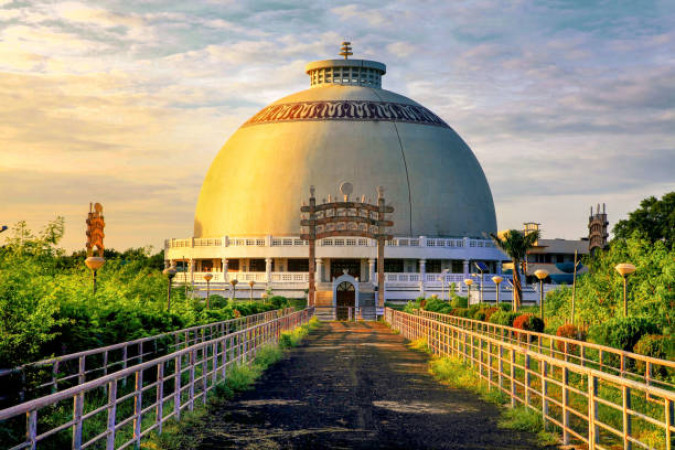
15. Nagpur
r is the capital of Maharashtra and the second largest city in the state. The city is known for its oranges and is also an important commercial and industrial center. Nagpur is home to a number of tourist attractions, including the Ajanta Caves, the Ellora Caves, and the Ramtek Temple. The city also has a number of parks and gardens, including the Ambazari Lake Park and the Seminary Hills
Read More
Best Time to Visit :
View Packages 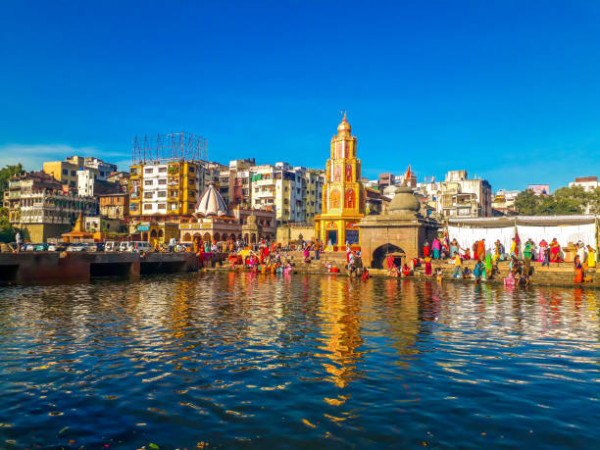
16. Nashik
k is a city in the Indian state of Maharashtra. It is the administrative headquarters of Nashik District and Nashik Division. It is also an important pilgrimage center for Hindus. Nashik is located in the northwest corner of Maharashtra, about 150 km northeast of Mumbai, the state capital.
Nashik has a population of about 1.5 million people. It is a major center for agriculture and wine production. Nashik is also an important center for the pharmaceutical industry. The city is known for its temples, especially the Saptashrungi Temple, and for its annual Nashik Fair, which is one of the largest fairs in I
Read More
Best Time to Visit :
View Packages 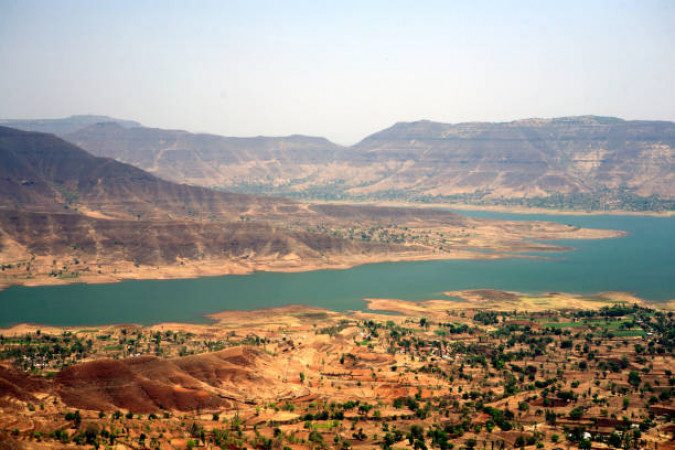
17. Panchgani
Deriving its name from the five hills surrounding it, Panchgani is a popular hill station near Mahabaleshwar in Maharashtra, famous for its various sunset and sunrise points and scenic valley view. The picturesque backdrop of hills on one side and coastal plains on the other makes for an amazing view. Other than the verdant green valleys, and soothing environment, the red, juicy strawberries are a major attraction of Panchgani.
How to Reach Panchgani
Panchgani is connected to all parts of India through air, rail and road. The nearest airport and railway station to Panchgani is located in Pune, around 100 km away. This is the most convenient option for those travelling from outside Maharashtra. State transport buses ply regularly between Panchgani and nearby cities like Mumbai, Pune, Nagpur, etc connecting it to all cities within Maharashtra.
Top Places to visit in Panchgani
Kaas Plateau- One of the UNESCO World Heritage sites of India, known for its natural beauty and flora, Kaas Plateau is a magical place with landscapes with lakes, flowers and butterflies all around.
Mahabaleshwar - Less than half an hour away from Panchgani is the city of Mahabaleshwar. Apart from its strawberries, Mahabaleshwar is also well known for its numerous rivers magnificent cascades and majestic peaks. It is among the most sought after weekend getaways from Mumbai.
Table Land- Table Land is a plateau that marks the highest point of Panchgani with a height of 4500 feet above sea level. It is also the second-longest mountain plateau in Asia. It is a famous tourist attraction as it offers a jaw-dropping view of deep valleys and majestic hills. It best visited during the sunrise and sunset.
Guidelines
Covid guidelines to be followed strictly apart from the specific tourist guidelines of different spots
Best Time to visit Panchgani
The best time to visit Panchgani is during the winters and the onset of summers between September and April. The weather remains pleasant almost throughout the day making it perfect to explore the hill station and go sightseeing
Read More
Best Time to Visit :
View Packages 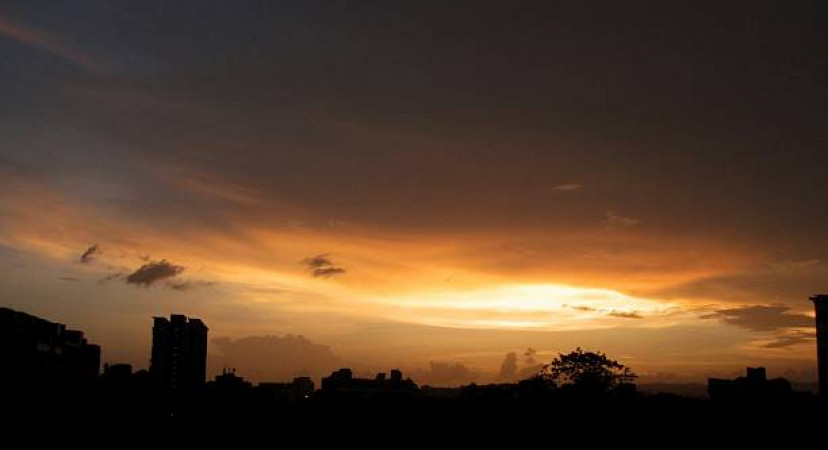
18. Panvel
ity of Panvel is located in the Raigad district of Maharashtra, India. It is situated on the banks of the Panvel Creek, about 30 kilometers from Mumbai. Panvel is the headquarters of the Raigad district.
The city is a major transit point for people travelling to Mumbai and is well connected to the city by road and rail. Panvel is also home to a number of educational institutions and hospitals.
Some of the tourist attractions in and around Panvel include the Panvel Creek, the Panvel Municipal Council Building, the Panvel fort, the Shree Siddhivinayak Ganpati Mandir, and the Panvel Railway Sta
Read More
Best Time to Visit :
View Packages 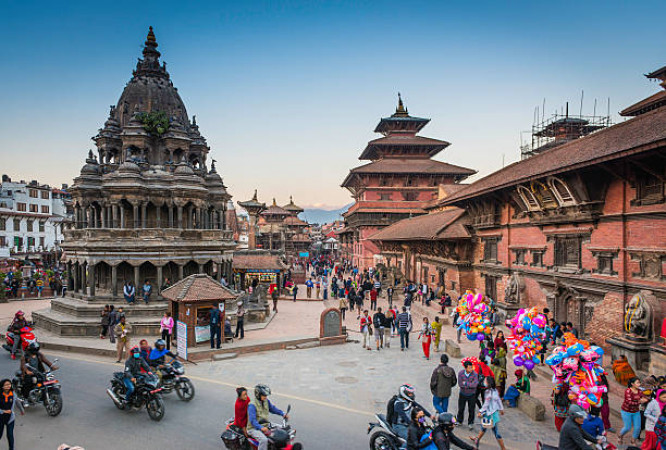
19. Patan
is a city located in the Lalitpur District of Nepal. It is also the administrative center of the district. The city is situated on the banks of the Bagmati River.
Patan is one of the three royal cities in Nepal, and is also known as the city of fine arts. The city is home to a large number of temples, including the Temple of Patan Durbar Square. The city is also home to a number of museums, including the Patan Museum.
Patan is a popular tourist destination in Nepal. The city is home to a large number of temples and museums, which attract tourists from around the world. The city is also home to a large number of handicrafts stores, which sell a variety of traditional Nepalese handicr
Read More
Best Time to Visit :
View Packages 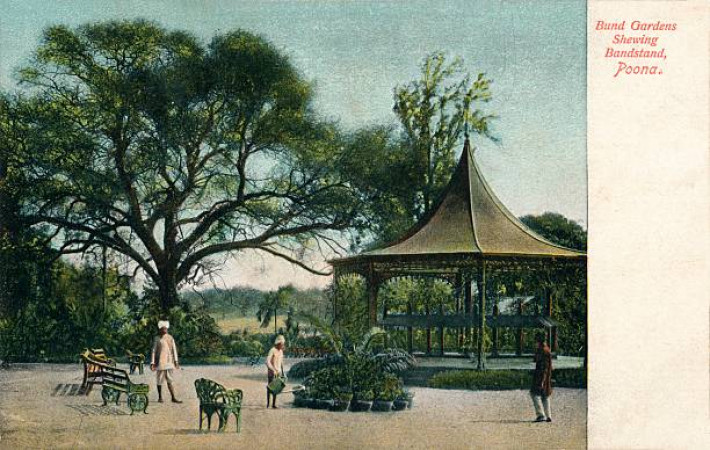
20. Pune
ity of Pune is located in the Indian state of Maharashtra. It is the second largest city in the state after Mumbai. The city is known for its educational institutions and is also an important commercial center. The city is located on the Deccan Plateau and is surrounded by the Sahyadri Mountains.
Pune is a popular tourist destination in India. Some of the popular tourist attractions in the city include the Osho International Meditation Resort, the Aga Khan Palace, the Raja Dinkar Kelkar Museum, the Bund Garden, the Sinhagad Fort, and the Panshet Dam.
The city is well connected to other parts of India by road, rail, and air. The Pune Airport is the second busiest airport in the state after the Chhatrapati Shivaji International Airport in Mu
Read More
Best Time to Visit :
View Packages 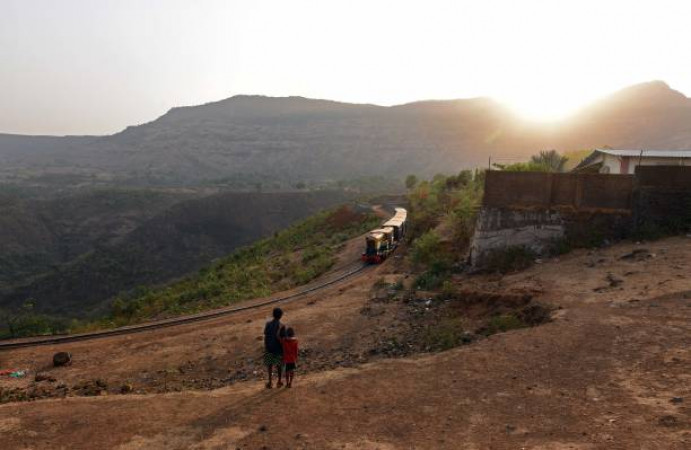
21. Raigad
Raigad
Raigad is a district located in the Indian state of Maharashtra. The district headquarters are located in the town of Mahad.
The district occupies an area of 4,821 square kilometres and has a population of 1,671,819, as of 2011.
The district is divided into three tehsils, namely Mahad, Mangaon, and Poladpur.
Some of the important tourist destinations in the district include the Mahad Fort, the Raigad Fort, the Shrivardhan Fort, and the Pali Fort.
The district is well connected to other parts of the state by road and rail. The nearest airport is located in Mu
Read More
Best Time to Visit :
View Packages 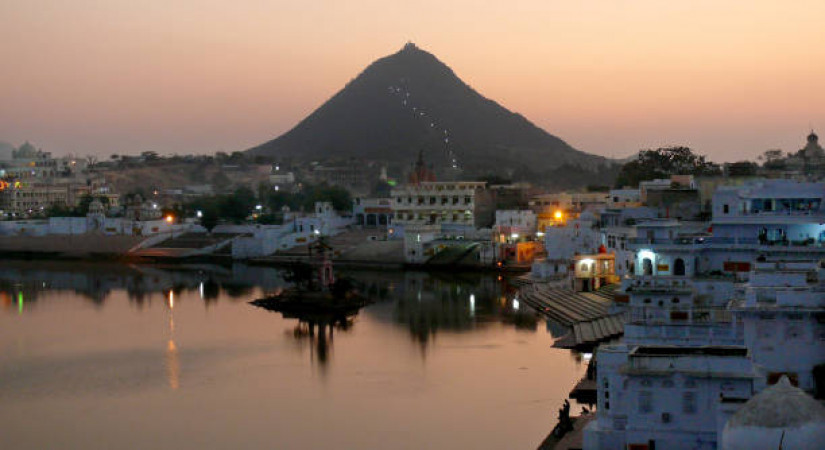
22. Ratnagiri
Ratnagiri
Ratnagiri is a city in the Indian state of Maharashtra. It is located on the Arabian Sea coast, in the Konkan region. The city is the administrative headquarters of Ratnagiri district. Ratnagiri is one of the most important ports on the Konkan Coast.
The city is known for its scenic beauty and the natural harbour at its entrance. Ratnagiri is also an important center for the fishing industry. The district is known for its Alphonso mangoes, which are exported all over the world.
Things to do in Ratnagiri
There are many things to do in Ratnagiri, depending on your interests. If you are interested in nature, you can visit the Ratnagiri Fort, the Botanical Gardens, or the Kelshi Beach. If you are interested in history, you can visit the Ratnagiri Museum or the Ratnagiri Fort. If you are interested in the fishing industry, you can visit the port or the fish market. And if you are interested in food, you can try the local Alphonso mangoes or the sea
Read More
Best Time to Visit :
View Packages 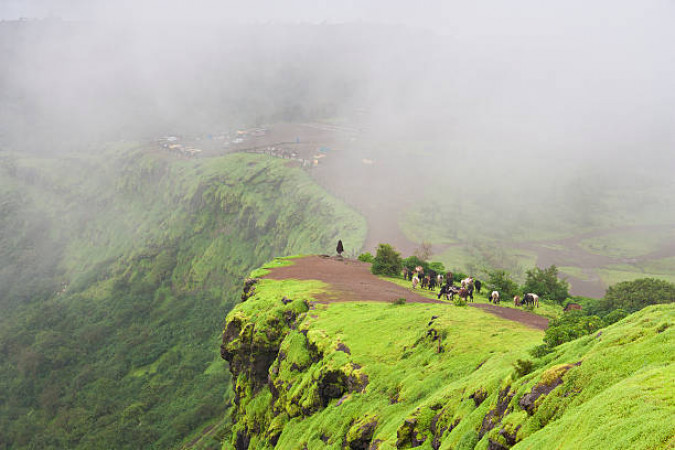
23. Saputara
ara is a hill station in the Dangs district of Gujarat, India. It is located at an elevation of 1,000 metres (3,281 ft) above sea level. The town is named after the Saputara River, which originates in the Sahyadri hills.
The most popular tourist attraction in Saputara is the Saputara Hill Station, which is located on a plateau in the Dangs district. The hill station is surrounded by the Saputara National Park, which is a popular destination for wildlife enthusiasts. The park is home to a variety of animals, including leopards, wild boars, and sambars.
Other popular tourist attractions in Saputara include the Saputara Tribal Museum, the Art Gallery, the Hatgadh Fort, and the Gira F
Read More
Best Time to Visit :
View Packages 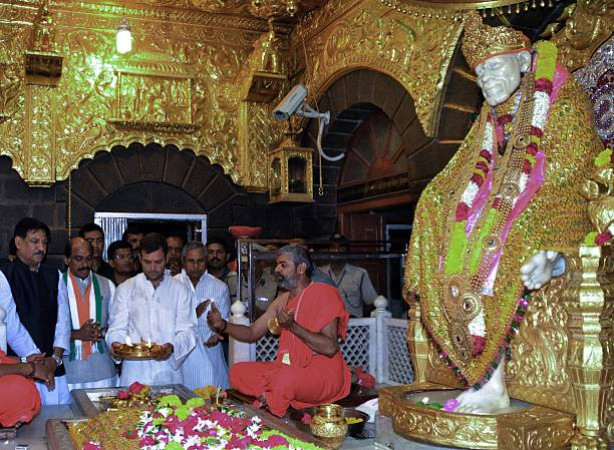
24. Shirdi
Shirdi is a renowned pilgrimage town located in the Indian state of Maharashtra. It is famously known as the abode of Shirdi Sai Baba, a revered saint who preached love, tolerance, and selfless service. Every year, millions of devotees from all over the world visit this sacred town to seek blessings and experience spiritual solace.
Shirdi is home to the revered Sai Baba Temple, the main attraction for pilgrims. The temple houses the divine samadhi (final resting place) of Sai Baba and is adorned with his statues, photographs, and personal belongings. Devotees engage in prayers, rituals, and offer their respects at this holy site.
Apart from the temple, Shirdi offers a tranquil environment with its serene landscapes and peaceful ambiance. The town has various accommodations, restaurants, and shops catering to the needs of the visitors.
Shirdi holds a special place in the hearts of devotees who find solace and inspiration through their interactions with the teachings and miracles associated with Sai Baba. It continues to be a significant spiritual destination, attracting devotees seeking spiritual growth and inner peace.
History of Shirdi
Shirdi, a small town in Maharashtra, India, holds a rich history intertwined with the life of one of the most revered saints, Sai Baba. The exact birth and early life details of Sai Baba remain unclear, adding an air of mysticism to his persona.
Sai Baba arrived in Shirdi during the mid-19th century and chose to reside in a dilapidated mosque, which later became known as the Samadhi Mandir, his final resting place. His teachings emphasized the unity of all religions, love, compassion, and selfless service to humanity. He became renowned for his miracles, healing powers, and his ability to uplift the spiritual and moral consciousness of his devotees.
During his lifetime, Sai Baba attracted a small group of disciples who were deeply influenced by his teachings and unwavering faith. His fame spread beyond Shirdi, attracting followers from various walks of life.
After Sai Baba's mahasamadhi (departure from the physical body) in 1918, his disciples continued to nurture his teachings and spread his message. Over time, the devotees built temples and institutions dedicated to Sai Baba, making Shirdi a significant pilgrimage site.
In the 20th century, Shirdi gained prominence and transformed into a thriving spiritual center. Today, millions of devotees flock to Shirdi each year to pay homage to Sai Baba, seek blessings, and find solace in his teachings. The Sai Baba Temple remains the focal point of devotion, drawing devotees from all corners of the world.
The history of Shirdi is intimately tied to the extraordinary life and legacy of Sai Baba, whose teachings continue to inspire and guide countless individuals in their spiritual journey.
Culture of Shirdi
The culture of Shirdi reflects a beautiful blend of spirituality, devotion and communal harmony. As a pilgrimage town, it is deeply influenced by the teachings and presence of Sai Baba, which form the core of its cultural fabric.
Devotion to Sai Baba is the essence of Shirdi's culture. The town is filled with a sense of reverence and faith as devotees from different backgrounds come together to seek solace and spiritual enlightenment. The rituals and practices at the Sai Baba Temple, such as offering prayers, performing aarti (devotional ceremony), and distributing prasad (blessed food), form an integral part of the cultural experience.
Music plays a significant role in Shirdi's culture. Bhajans (devotional songs) and kirtans (religious chants) dedicated to Sai Baba can be heard throughout the town, creating an atmosphere of devotion and bliss. These musical expressions unite devotees and serve as a medium to connect with the divine.
Shirdi embraces a spirit of communal harmony and inclusiveness. People from different faiths and backgrounds visit the town, transcending religious boundaries. The teachings of Sai Baba emphasize the unity of all religions, and this message resonates in the cultural practices and interactions among devotees in Shirdi.
The local cuisine of Shirdi offers a taste of traditional Maharashtrian flavors. Devotees can savor delectable vegetarian dishes like varan bhaat (lentil soup with rice), puran poli (sweet flatbread), and modak (sweet dumplings), among others. These culinary delights showcase the region's culinary heritage and add to the cultural experience of visitors.
Overall, the culture of Shirdi is deeply rooted in spirituality, devotion, and the universal principles of love, harmony, and selfless service preached by Sai Baba. It is a place where people from diverse backgrounds come together to experience the essence of faith and seek spiritual awakening.
People of Shirdi
The people of Shirdi represent a diverse community united by their deep devotion to Sai Baba and their commitment to upholding his teachings. They play a vital role in maintaining the spiritual and cultural essence of the town.
The residents of Shirdi, known as Shirdians, have a profound reverence for Sai Baba. Many families have lived in Shirdi for generations, and their lives are intricately intertwined with the legacy of Sai Baba. They take pride in being part of a place that holds such spiritual significance and strive to maintain the sanctity and purity of the town.
The local community in Shirdi is known for its warm hospitality and welcoming nature. They embrace the influx of devotees from all over the world and provide support and assistance to ensure a meaningful and comfortable pilgrimage experience. The locals are often involved in various service activities, such as distributing food, organizing religious events, and helping with the maintenance of the Sai Baba Temple.
The economy of Shirdi largely relies on tourism and the presence of the Sai Baba Temple. Many locals are engaged in businesses that cater to the needs of the devotees, including hotels, restaurants, shops selling religious artifacts and souvenirs, and transportation services. The livelihoods of many Shirdians are connected to the pilgrim influx, and they play a crucial role in ensuring the smooth functioning of the town's infrastructure.
The people of Shirdi demonstrate a strong sense of unity and community spirit. They actively participate in festivals and religious ceremonies, where they come together to celebrate and honor Sai Baba. These events create a sense of camaraderie and reinforce the shared devotion and cultural heritage among the residents.
Overall, the people of Shirdi are an integral part of the town's spiritual and cultural tapestry. Their unwavering faith, hospitality, and commitment to preserving the teachings of Sai Baba contribute to the unique and enchanting atmosphere that draws millions of devotees to Shirdi each year.
Best time to visit
The best time to visit Shirdi is during the winter months from October to March. The weather during this time is pleasant
Best places to visit in Shirdi
Here are the top 10 places to explore in Shirdi:
Sai Baba Temple: The Sai Baba Temple is the heart and soul of Shirdi. It houses the sacred samadhi (final resting place) of Sai Baba and attracts millions of devotees every year. The temple complex features the main shrine, prayer halls, and a peaceful ambiance where devotees can seek blessings and experience spiritual tranquility.
Dwarkamai: Dwarkamai is a mosque where Sai Baba spent a significant portion of his life. It holds historical significance as it was the place where Baba performed miracles, healed the sick, and selflessly served his devotees. The mosque-turned-spiritual-center offers a glimpse into Baba's life through the preserved artifacts and photographs.
Chavadi: Chavadi is another important place associated with Sai Baba. It served as his resting place every alternate night. Today, it stands as a shrine, and devotees can witness the chariot that carried Baba's portrait during processions. The Chavadi is a site of deep reverence and spirituality.
Lendi Baug: Lendi Baug is a serene garden that Sai Baba frequented for his meditation and where he planted and watered trees. The garden is adorned with beautiful flowers, a peaceful walkway, and a neem tree, known as the Datta Mandir, under which Baba used to meditate. It is an ideal spot for peaceful reflection and solitude.
Khandoba Temple: The Khandoba Temple is dedicated to Lord Khandoba, a deity worshipped by Sai Baba. It is believed that Sai Baba himself visited this temple regularly. The temple's architecture and the vibrant atmosphere during festivals make it a must-visit for devotees seeking spiritual blessings.
Dixit Wada Museum: The Dixit Wada Museum provides a glimpse into the life of Sai Baba and the historical context of Shirdi. It displays personal belongings, utensils, and photographs related to Baba. The museum offers a deeper understanding of Sai Baba's life and his impact on society.
Shani Shingnapur: Located around 70 kilometers from Shirdi, Shani Shingnapur is a significant pilgrimage site dedicated to Lord Shani, the Hindu god of Saturn. The unique aspect of this temple is the absence of doors or locks on the houses in the village, as it is believed that Lord Shani protects the village from theft.
Wet n Joy Water Park: For a break from spiritual exploration, visitors can head to Wet n Joy Water Park, located near Shirdi. It offers a range of thrilling water rides, slides, and pools, providing a fun-filled experience for families and friends.
Sai Heritage Village: Sai Heritage Village is an immersive museum that recreates the era of Sai Baba. It showcases traditional houses, utensils, and implements used during Sai Baba's time, allowing visitors to step back in time and experience the cultural heritage associated with the saint.
Shirdi Sai Baba Samadhi Mandir: This beautiful temple is located near the Sai Baba Temple and is dedicated to Shirdi Sai Baba's disciples, Upasani Maharaj and Tatya Kote Patil. Devotees can pay their respects and learn more about the lives and contributions of these devotees.
Read More
Best Time to Visit :
View Packages 
25. Igatpuri
uri is a town and a municipal council in Nashik district in the Indian state of Maharashtra. It is located on the Mumbai-Agra National Highway (NH3) and is about from Mumbai. Igatpuri is a taluka place in Nashik district. Igatpuri is located at an altitude of and has a population of
Igatpuri is well known as a religious place with many temples and ghats. It is also a popular tourist destination because of its location in the Sahyadri Hills and its proximity to Mumbai.
The town is located on the Mumbai-Agra National Highway (NH3) and is about from Mumbai.
Igatpuri is a taluka place in Nashik district.
Igatpuri is located at an altitude of and has a population of
Igatpuri is well known as a religious place with many temples and ghats. It is also a popular tourist destination because of its location in the Sahyadri Hills and its proximity to Mumbai.
The temples in Igatpuri include the Vihaguri Temple, the Kalaram Temple, the Ganesha Temple, the Narayan Temple, and the Dattatray Temple.
The ghats in Igatpuri include the Gandhi Ghat, the Hanuman Ghat, the Ram Ghat, and the Saptashringi Ghat.
Igatpuri is a popular tourist destination because of its location in the Sahyadri Hills and its proximity to Mumbai. Some of the tourist attractions in Igatpuri include the Vihaguri Temple, the Kalaram Temple, the Gandhi Ghat, the Hanuman Ghat, the Ram Ghat, and the Saptashringi
Read More
Best Time to Visit :
View Packages 26. Jawhar
ugh Jawhar is a small town, it is rich in history and culture. There are several attractions in and around Jawhar that are worth visiting. The most popular attraction in Jawhar is the Safar Khan Palace, which is a beautiful palace that was built in the 18th century. Other attractions in Jawhar include the Jawhar Fort, the Surya Mandir Temple, and the Khodiyar Mata Te
Read More
Best Time to Visit :
View Packages 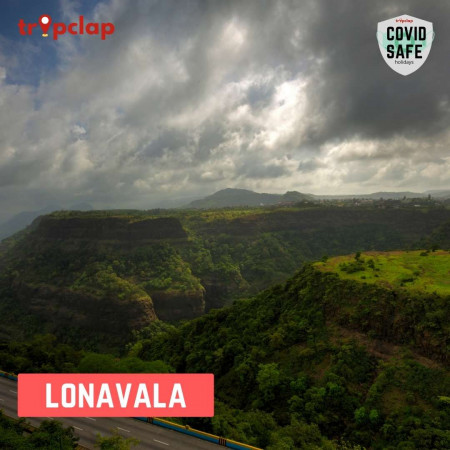
29. Lonavala
Lonavala is a hill station in the Pune district of Maharashtra, India. It is situated around 64 km from Pune and is well-known for its scenic beauty. Lonavala is a popular weekend getaway for residents of Pune and Mumbai.
The region around Lonavala was once part of the Yadava dynasty. In the 13th century, the region came under the rule of the Delhi Sultanate. In the 18th century, the region came under the Maratha Empire. Lonavala was part of the British Raj from 1818 to 1947.
Lonavala is located at an elevation of 658 m above sea level. The region experiences a humid subtropical climate with temperatures ranging from 18 °C to 33 °C. The region receives rainfall from the southwest monsoon.
Lonavala is well-known for its natural beauty. The region is home to a number of hills, valleys, and waterfalls. Some of the popular tourist destinations in the region include the Lion's Point, the Duke's Nose, the Tungarli Lake, and the Kune Falls. The region is also home to a number of temples, including the Sri Kshetra Dharmasthala, the Mahaganapati Temple, and the Karla Caves.
Lonavala is a popular tourist destination for residents of Pune and Mumbai. The region is home to a number of resorts and hotels.
History of Lonavala
Lonavala is a hill station situated in the Pune district of Maharashtra. It is located 64 km from Pune and is well connected by road and rail. The Lonavala railway station is on the Mumbai-Pune railway line. Lonavala is a popular tourist destination and is visited by people from all over the country. Lonavala is also known for its natural beauty and for its many tourist attractions.
The history of Lonavala is closely linked with that of the city of Pune. Lonavala was originally known as Lonavale and was part of the Deccan sultanate. The Maratha warrior, Shivaji, frequently visited Lonavala and is said to have been impressed by its natural beauty. In 1714, after the death of Aurangzeb, the Mughal empire began to disintegrate and Shivaji’s son, Sambhaji, took advantage of this and captured the fort of Lonavala. In 1774, after the death of Sambhaji, the Maratha empire began to disintegrate and the British took control of Lonavala.
In 1818, the British built a military hospital in Lonavala and in 1820, they built a sanatorium for the British troops. In 1871, the British built the first railway line from Mumbai to Pune and Lonavala became a popular tourist destination. In 1879, the first hotel, the Khandala Hotel, was built in Lonavala. In 1890, the first golf course in India was built in Lonavala.
Culture of Lonavala
The culture of Lonavala is heavily influenced by the Hindu religion. The city is home to a number of Hindu temples, including the Bhaja Caves and the Karla Caves. The city is also home to a number of festivals, including the Mahashivratri festival and the Diwali festival. The culture of Lonavala is also heavily influenced by the traditional culture of Maharashtra. The city is home to a number of traditional dances, including the Lavani dance and the Ghoomar dance. The city is also home to a number of traditional songs, including the Lavani song and the Ghoomar song.
The cuisine of Lonavala is a mix of Maharashtrian and Punjabi flavours. Some of the popular dishes are puran poli, vada pav, and biryani.
People of Lonavala
The people of Lonavala are friendly and hospitable. The town is known for its delicious food, especially its chikki (a type of sweet made from groundnuts and jaggery).
The main occupation of the people of Lonavala is agriculture. The town is surrounded by hills and forests, which provide ample opportunity for farming. The town is also home to a number of small businesses and factories.
Lonavala is a picturesque town with plenty of natural beauty. The people are friendly and hospitable, and the food is delicious. It is no wonder that the town is such a popular tourist destination.
Best time to visit Lonavala
Summer, June to September is the best time to visit as during this time nature becomes alive with lush greenery and beautiful lakes.
Best places to visit in Lonavala
Here are some of the best places to visit in Lonavala:
1. Tiger's Point - This is one of the most popular tourist spots in Lonavala. It offers stunning views of the valley below and is the perfect place to relax and soak in the natural beauty of the area.
2. Lonavala Lake - This tranquil lake is a popular spot for fishing and boating. It's also a great place for a peaceful walk or a relaxing picnic.
3. Ryewood Park - This park is a great place to spend a lazy afternoon. It's home to a variety of trees and plants, and is the perfect spot for a nature hike.
4. Bhushi Dam - This popular spot is perfect for a day of fishing or swimming. It's also a great place to take in the natural beauty of the area.
5. Kune Falls - This majestic waterfall is a must-see for any visitor to Lonavala. It's located just a short walk from the town center and is the perfect place to spend an afternoon.
6. Karla Caves - These ancient caves are a popular tourist spot and are well worth a visit. They offer a glimpse into the region's rich history and culture.
7. Lohagad Fort - This fort is a popular attraction for hikers and history buffs. It offers stunning views of the surrounding area and is a great place to learn more about the region's history.
8. Valvan Dam - This picturesque dam is a popular spot for photography enthusiasts. It offers stunning views of the surrounding landscape and is the perfect place to spend a peaceful afternoon.
9. Lonavala Bazaar - This bustling bazaar is a great place to shop for souvenirs or just to enjoy the local culture. It's located right in the heart of town and is a must-visit for any visitor to Lonavala.
10. Tiger's Nest Resort - This luxurious resort is a popular spot for those looking to relax and get away from it all. It offers stunning views of the surrounding countryside and is the perfect place to unwind after a day of sightseeing.
Read More
Best Time to Visit :
View Packages 30. Murud
is a town in Maharashtra. It is located on the Konkan Coast.
Murud is a town in Ratnagiri district, Maharashtra. It is located on the Konkan Coast, about 95 km south of Mumbai and 15 km north of Ratnagiri. It is a popular tourist destination, with a beach, a fort, and a lighthouse.
Murud is known for its beach, which is a popular tourist destination. The beach is wide and has a long coastline. It is clean and has clear water. The fort is located on a hill overlooking the beach. It was built in the 15th century by the Siddis of Janjira. The lighthouse is located on a small island near the beach. It was built in the 18th century.
Murud is connected to Mumbai and Ratnagiri by road. The nearest railway station is in Ratnagiri. The nearest airport is in Mu
Read More
Best Time to Visit :
View Packages Help & Support
Call Us Now
+91-8069145442