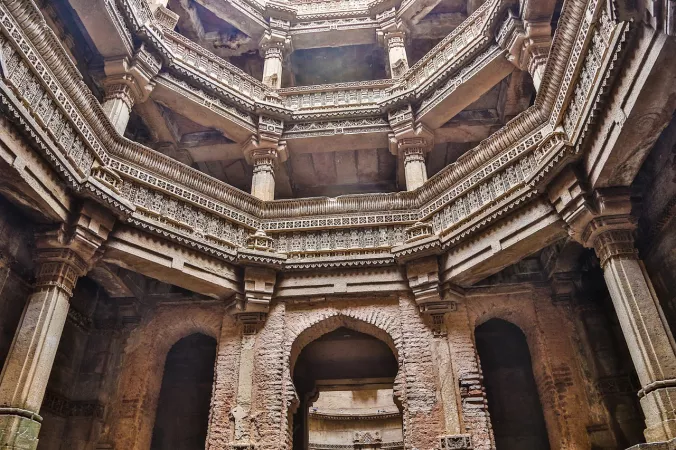
Here's a list of 13 Best Places to visit in Gujarat
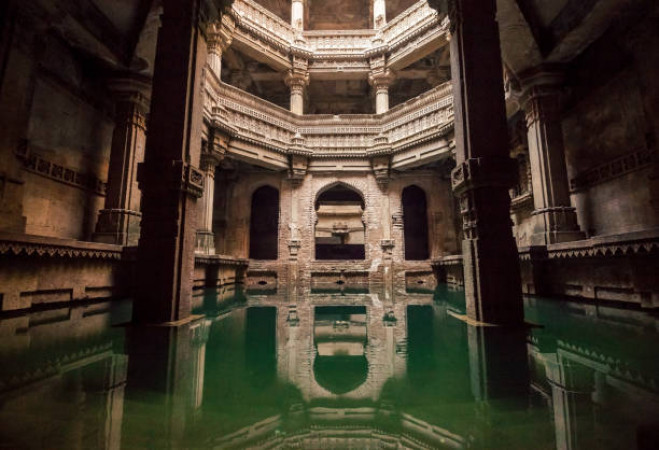
1. Ahmedabad
Gujarat government on Wednesday announced a Rs 1,000 crore relief package for the flood-affected people of the state.
Chief Minister Vijay Rupani made the announcement while addressing the media here.
"The state government has announced a relief package of Rs 1,000 crore for the flood-affected people of the state," he said.
Rupani also said that the state government has decided to waive off the interest on the crop loans of the farmers for the year 2018-19.
"We have also decided to waive off the interest on the crop loans of the farmers for the year 2018-19. The government has also decided to provide Rs 5,000 crore to the farmers as compensation for the loss of their crops," he said.
Rupani also said that the state government has decided to provide Rs 1,000 crore to the municipalities and Rs 500 crore to the district panchayats for the reconstruction of the damaged infrastructure.
"The state government has also decided to provide Rs 1,000 crore to the municipalities and Rs 500 crore to the district panchayats for the reconstruction of the damaged infrastructure. We have also decided to provide Rs 2,000 crore to the power sector for the restoration of the damaged infrastructure," he said.
Rupani also said that the state government has decided to provide Rs 1,000 crore to the agriculture sector for the purchase of the seeds and fertilisers.
"The state government has also decided to provide Rs 1,000 crore to the agriculture sector for the purchase of the seeds and fertilisers. We have also decided to provide Rs 1,000 crore to the health sector for the purchase of the medicines and medical equipments," he said.
The chief minister said that the state government has also decided to provide Rs 1,000 crore to the urban development sector for the reconstruction of the damaged infrastructure.
"The state government has also decid
Read More
Best Time to Visit :
View Packages 
2. Anand
Anand is a city located in the state of Gujarat, India. It is the administrative headquarters of the Anand district. The city is located on the banks of the river Tapi. Anand is known as the Milk Capital of India, as it is one of the largest producers of milk in the country. The city is also known for its dairy products, which include milk, cheese, butter, and ghee.
Read More
Best Time to Visit :
View Packages 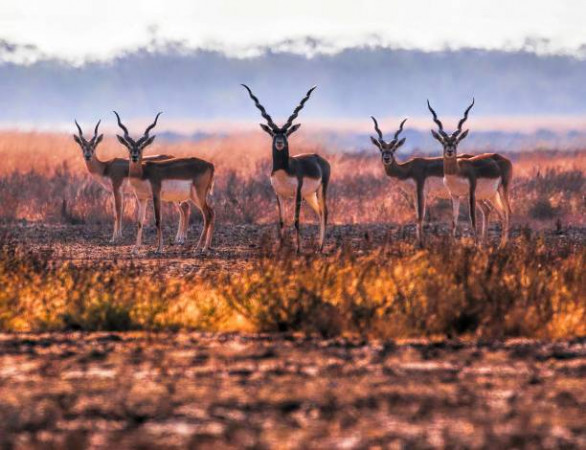
3. Bhavnagar
ed in the Saurashtra region of Gujarat, Bhavnagar is a city that is known for its rich culture and history. The city is also known for its many tourist attractions, which include the Bhavnagar Fort, the Nilambagh Palace, the Takhteshwar Temple, and the Ganga Temple. There are also a number of shopping destinations in the city, including the Bhanvad Beach Market, the Mahatma Gandhi Market, and the Swaminarayan Temple Ma
Read More
Best Time to Visit :
View Packages 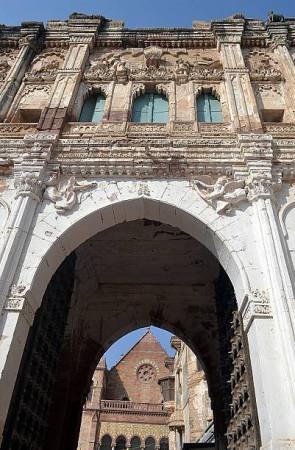

5. Ambaji
own of Ambaji is located in the Banaskantha district of Gujarat, India. It is situated on the banks of the Saraswati River, and is considered a holy town by Hindus.
The Ambaji temple is a major pilgrimage site in the region, and is dedicated to the Hindu goddess Ambaji. The temple is said to have been founded in the 8th century by the sage Vashistha. Other major tourist attractions in Ambaji include the BAPS Swaminarayan Temple and the Ambaji Wildlife Sanctuary.
The town is well connected by road and railway to the major cities in Gujarat. The nearest airport is located in the city of Ahmed
Read More
Best Time to Visit :
View Packages 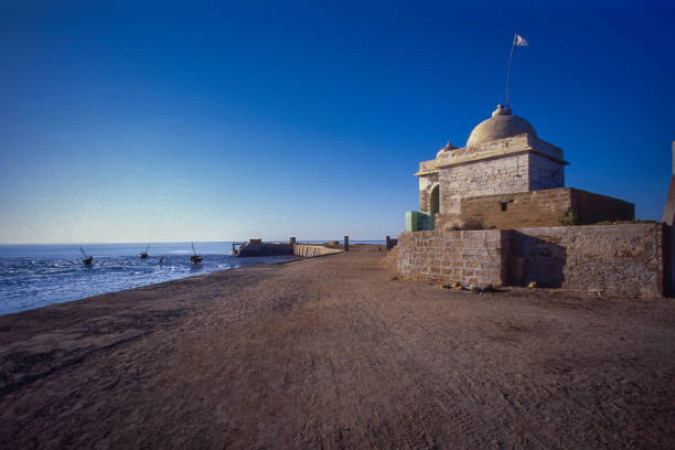
6. Dwarka
a is a city and a municipality in the Dwarka district of the Indian state of Gujarat. It is located on the western coast of India, about 26 kilometres (16 mi) from the city of Jamnagar and 167 kilometres (104 mi) from the state capital Gandhinagar. Dwarka is one of the seven ancient holy cities of India. It is the site of the Dwarkadhish Temple, which is one of the four major Hindu temples dedicated to Kri
Read More
Best Time to Visit :
View Packages 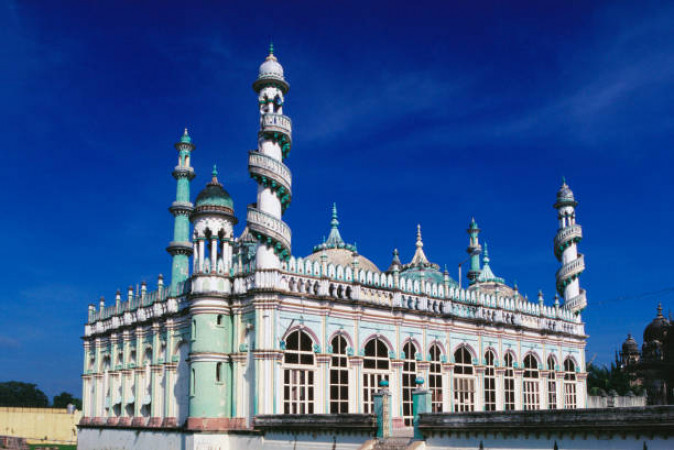
7. Junagadh
ict: Junagadh
State: Gujarat
Country: India
Junagadh is a district in the state of Gujarat, India. The city of Junagadh is the district headquarters.
The district is bounded by the Arabian Sea to the west, the Girnar Hills to the east, and the Rajkot district to the north. The district occupies an area of 10,854 km².
The district is divided into six talukas: Junagadh, Keshod, Mangrol, Babra, Kutiyana, and Dhari.
As of the 2001 Indian census, Junagadh district had a population of 2,068,711. Males constituted 51% of the population and females 49%. Junagadh had a literacy rate of 73%, higher than the national average of 59.5%: male literacy was 81%, and female literacy was 65%. In 2001 in Junagadh district, 11% of the population was under 6 years of age.
The district is mainly agricultural, with some industries located in the Junagadh and Mangrol talukas. The main crops are cotton, groundnut, wheat, and sugarcane. The main industries are cotton ginning, oil pressing, and sugar refining.
The district is well connected by road and rail. The Junagadh-Veraval railway line, part of the Western Railway, passes through the district. The district headquarters, Junagadh, is located on the main railway line and is well connected to the major cities of India.
The Girnar Hills, a popular tourist destination, are located in the dist
Read More
Best Time to Visit :
View Packages 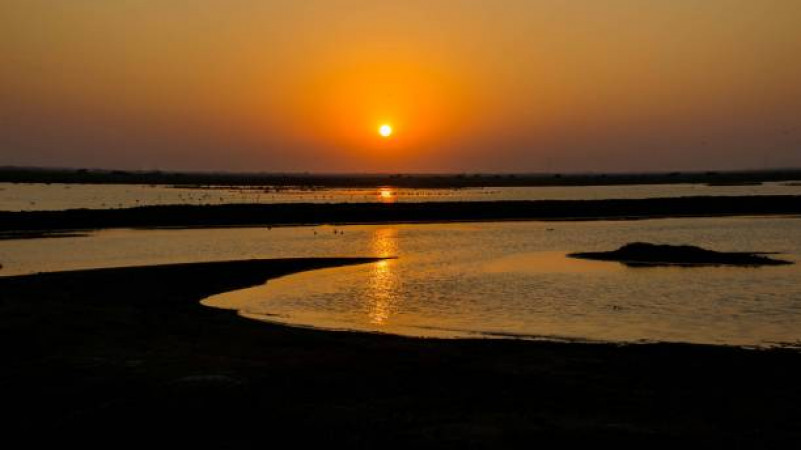
8. Porbandar
ndar is a small coastal town in Gujarat, India. It is the birthplace of Mahatma Gandhi and is also known as the 'Land of the Swaminarayans'. The town is located on the Saurashtra coast and is a religious and tourist center. It is also known for its sea
Read More
Best Time to Visit :
View Packages 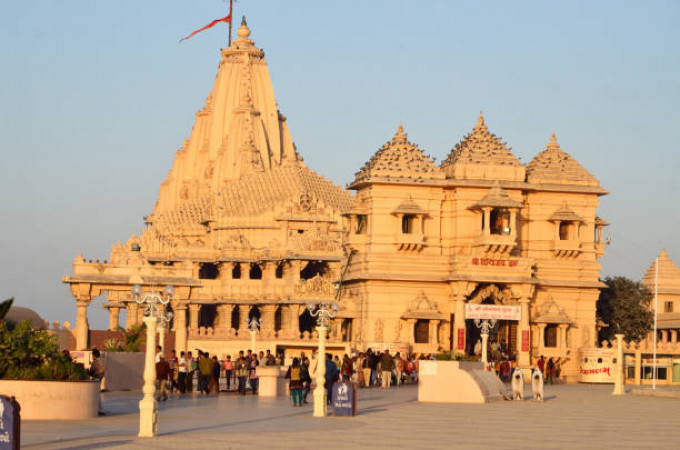
9. Somnath
Nestled along the western coast of Gujarat, India, lies the sacred town of Somnath. Renowned as one of the oldest and holiest pilgrimage sites in the country, Somnath is home to the revered Somnath Temple, a place of profound spiritual significance for devotees of Lord Shiva.
The history of Somnath dates back thousands of years, with references to the temple found in ancient Hindu scriptures and epics. The temple has been destroyed and rebuilt several times throughout history, each time standing as a testament to the unwavering faith and resilience of the devotees.
The Somnath Temple, dedicated to Lord Shiva, is a masterpiece of architectural grandeur. It stands as a majestic symbol of devotion, spirituality, and cultural heritage. The temple's spire, known as the Shikhar, rises gracefully into the sky, exuding a sense of divine presence and tranquility.
Inside the temple, devotees are greeted by the awe-inspiring sight of the main sanctum, housing the revered lingam, a representation of Lord Shiva. The ambience is filled with the rhythmic chants of Vedic hymns and the fragrance of incense, creating an atmosphere that is both mystical and serene.
The temple complex also includes various other shrines, each dedicated to different deities of the Hindu pantheon. The intricate carvings, sculptures, and artwork adorning the walls of the temple complex are a testimony to the rich cultural heritage and architectural brilliance of the bygone era.
The town of Somnath offers more than just spiritual solace. The breathtaking views of the Arabian Sea, with waves crashing against the rocky shores, add to the overall mystique and allure of the place. The nearby Triveni Sangam, where the rivers Hiran, Kapila, and Saraswati converge, holds great religious significance and is considered a sacred bathing spot.
Visiting Somnath is not just a pilgrimage; it is an experience that evokes a sense of devotion, introspection, and peace. The divine aura of the temple and the surrounding natural beauty create a harmonious blend that leaves an indelible impression on the hearts and minds of the visitors.
History of Somnath
The history of Somnath is steeped in legend and antiquity, dating back thousands of years. It is a tale of devotion, destruction, and resilience that has shaped the spiritual and cultural fabric of the region.
According to Hindu mythology, Somnath holds great significance as the place where Lord Krishna, the eighth avatar of Lord Vishnu, is said to have performed the legendary act of retrieving the Syamantaka gem from Jambavati, one of his queens. This event elevated the sanctity of Somnath and established it as a sacred site.
Historical records suggest that the original Somnath Temple was built in ancient times by the moon god, Soma, as an offering to Lord Shiva. Over the centuries, it grew into a grand and prosperous center of pilgrimage, drawing devotees from far and wide. The temple became renowned for its architectural splendor, attracting travelers, scholars, and traders.
However, the history of Somnath is marked by numerous invasions and acts of desecration. The temple suffered repeated attacks by foreign conquerors who sought to undermine Hindu traditions and symbols. The most infamous destruction occurred in the 11th century when Mahmud of Ghazni, the Turkish ruler, raided the temple, looted its treasures, and destroyed its structure.
Despite the devastating assaults, the spirit of devotion and reverence for Lord Shiva remained unbroken. The temple was rebuilt time and again by the dedicated efforts of devotees and rulers who recognized its significance. Each reconstruction was a testament to the indomitable spirit of the people and their unwavering faith.
The present-day Somnath Temple stands as a magnificent structure that was reconstructed in 1951 under the patronage of the then Deputy Prime Minister of India, Sardar Vallabhbhai Patel. The temple's architecture reflects the Chalukya style, combining elements of both Hindu and Islamic influences. It is a symbol of unity, resilience, and religious harmony.
Today, the Somnath Temple is not only a place of worship but also a center of cultural heritage and national pride. It attracts pilgrims and tourists alike, who come to witness its architectural beauty, experience its spiritual aura, and pay homage to Lord Shiva.
The history of Somnath is a testament to the enduring power of faith and the strength of the human spirit. It serves as a reminder of the continuous cycle of destruction and rebirth, emphasizing the importance of preserving our cultural heritage and upholding the values enshrined within these sacred sites.
Culture of Somnath
The culture of Somnath is a vibrant tapestry woven with religious traditions, folk art, music, and a deep-rooted sense of spirituality. The town's cultural heritage reflects the diverse influences that have shaped its identity over the centuries.
Religion plays a central role in the culture of Somnath. The town is revered as a significant pilgrimage site for followers of Lord Shiva. Devotees from all corners of the country and beyond visit the Somnath Temple to seek blessings and offer prayers. The temple's rituals, including aarti (devotional ceremony), bhajans (devotional songs), and abhishekam (ritualistic bathing of the deity), create an atmosphere of fervor and devotion.
Folk art and music are integral to the cultural fabric of Somnath. The region is known for its vibrant folk dances like the Garba and Dandiya, which are performed during religious festivals, such as Navratri. These dances, accompanied by traditional music and rhythmic beats, showcase the joyous spirit and celebratory nature of the people.
The traditional attire of the locals adds to the cultural charm of Somnath. Women often adorn themselves in colorful and intricately designed traditional Gujarati garments like the ghagra-choli and bandhani sarees. Men commonly wear dhoti-kurta or the traditional Gujarati attire known as the kediyu.
Cuisine is another significant aspect of the culture of Somnath. The region is known for its delectable Gujarati cuisine, which includes a wide variety of vegetarian dishes. Dhokla, Khandvi, Undhiyu, and Gujarati Thali are some of the popular culinary delights that visitors can savor in the local eateries.
The festivals celebrated in Somnath showcase the cultural diversity and fervent devotion of the people. The Maha Shivaratri festival holds great importance, attracting a large number of devotees who observe fasts and participate in night-long vigils at the temple. Navratri and Diwali are also celebrated with great enthusiasm, accompanied by dance, music, and colorful processions.
The cultural heritage of Somnath is not limited to religious practices and festivals. The town is also home to various craft forms like woodwork, beadwork, and embroidery. Local artisans showcase their skills in creating intricate handicrafts, which make for excellent souvenirs for visitors.
Somnath's culture is a harmonious blend of spirituality, art, music, and traditions that have been nurtured and preserved over generations. It is an embodiment of the rich cultural tapestry of Gujarat and serves as a cultural gateway for those seeking a deeper understanding of the region's heritage and religious ethos.
People of Somnath
The people of Somnath, Gujarat, embody the warmth, hospitality, and devoutness that define the region's cultural fabric. They are deeply rooted in their religious beliefs, with Lord Shiva being a central figure in their lives. The locals are known for their friendly nature and welcoming attitude towards visitors and pilgrims who come to seek blessings at the Somnath Temple. The community takes pride in preserving their traditions and cultural heritage, actively participating in religious festivals and folk events. The people of Somnath are hardworking, resilient, and deeply connected to their roots, contributing to the vibrant and spiritual aura of the town.
Best time to visit:
October to March is the best time to visit Somnath
Places to visit in Somnath
Somnath Temple: The magnificent Somnath Temple is the main highlight, attracting devotees from around the world. Its exquisite architecture, serene ambiance, and spiritual significance make it a must-visit destination.
Triveni Sangam: Located near the temple, Triveni Sangam is the holy confluence of three rivers: Hiran, Kapila, and Saraswati. It is a sacred spot where pilgrims take ritual baths and offer prayers.
Bhalka Tirtha: This sacred site holds historical and mythological importance. It is believed to be the place where Lord Krishna was accidentally hit by an arrow and attained his divine departure.
Junagadh Gate: A historical structure marking the entrance to Somnath, the Junagadh Gate offers a glimpse into the region's rich past. It is adorned with intricate carvings and architectural details.
Panch Pandav Gufa: Situated near the temple, these caves are associated with the Pandavas from the epic Mahabharata. They are believed to have sought refuge here during their exile.
Balukha Tirtha: A serene beach located near Somnath, Balukha Tirtha offers picturesque views of the Arabian Sea. Visitors can relax, enjoy the scenic beauty, and soak in the tranquil atmosphere.
Prabhas Patan Museum: For history enthusiasts, the Prabhas Patan Museum showcases a collection of ancient artifacts, sculptures, and inscriptions that provide insights into the region's rich cultural heritage.
Kamnath Mahadev Temple: Situated on the outskirts of Somnath, this ancient temple dedicated to Lord Shiva is known for its beautiful architecture and peaceful surroundings.
Gita Mandir: Located near the Somnath Temple, this temple houses a beautiful idol of Lord Krishna and features engraved verses from the Bhagavad Gita, a sacred Hindu scripture.
Laxminarayan Mandir: This temple dedicated to Goddess Laxmi, the goddess of wealth and prosperity, is a popular destination for devotees seeking blessings and tranquility.
These attractions offer a mix of spirituality, history, and natural beauty, providing visitors with a well-rounded experience of Somnath's cultural and religious significance.
Read More
Best Time to Visit :
View Packages 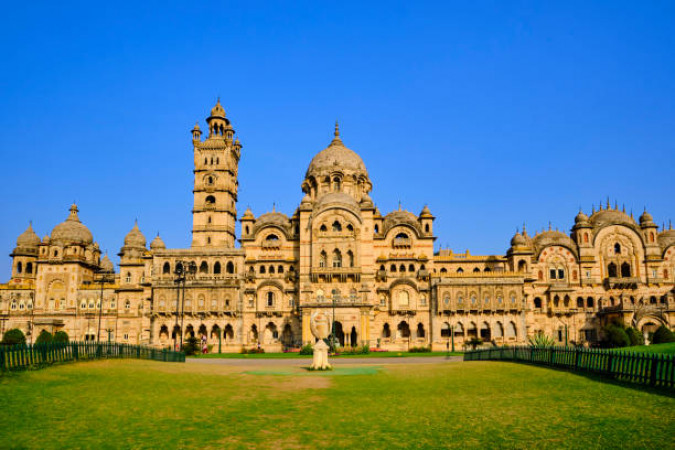
10. Vadodara
rly known as Baroda, Vadodara is the third largest city in the Indian state of Gujarat. It is located on the banks of the Vishwamitri River, about 120 kilometers west of Ahmedabad. Vadodara is the administrative headquarters of Vadodara District and the Vadodara Division.
The city is home to Maharaja Sayajirao University of Baroda, the largest university in Gujarat. It is also the home of the National Institute of Design, the Institute of Rural Management Anand (IRMA), and the Central Food Technological Research Institute (CFTRI).
The city is an important industrial center in India. It is home to the Baroda Rayon Corporation, the Baroda Cement Company, the Gujarat State Fertilizers and Chemicals Limited, the Gujarat Alkalies and Chemicals Limited, and the Gujarat Heavy Chemicals Limited.
Vadodara is a major cultural center in Gujarat. It is home to the Sayaji Bagh gardens, the Baroda Museum and Gallery, the Laxmi Vilas Palace, and the Nazarbaug Palace.
The city is also home to a number of Hindu temples, including the Kirti Mandir, the Ekanathji temple, the Swaminarayan temple, and the Lakshmi Vilas te
Read More
Best Time to Visit :
View Packages 11. Gandhinagar
inagar, the capital of Gujarat, is a planned city that was built in the 1970s. It is located on the banks of the Sabarmati River, north of Ahmedabad. The city is home to the Gujarat High Court, the state legislative assembly, and numerous government offices. It is also a major industrial center, with a number of large factories located in the area.
There are a few places of interest in Gandhinagar, including the Akshardham Temple, the Iskcon Temple, and the Gandhi Ashram. The Akshardham Temple is a large, modern temple that was built in 2005. The Iskcon Temple is a large, white temple that was built in the 1990s. The Gandhi Ashram is a small, peaceful ashram that was founded by Mahatma Gandhi.
Gandhinagar is a modern city with a number of large factories and government offices. There are a few places of interest in the city, including the Akshardham Temple, the Iskcon Temple, and the Gandhi As
Read More
Best Time to Visit :
View Packages 12. Kutch
district is located in the western state of Gujarat, India. It is the largest district in India, covering an area of 45,652 square kilometers. The district is bordered by the Gulf of Kutch and the Indian states of Rajasthan and Punjab. The district has a population of 1,591,817, of which 58.5% are Hindu and 31.3% are Muslim. The district is divided into six tehsils: Bhuj, Gandhidham, Rapar, Samakhiali, Anjar, and Mundra. The district headquarters is located in the city of Bhuj.
The district is well known for its handicrafts, particularly the colorful embroidery known as 'Kutchi' work. The district is also home to the Kutch Wildlife Sanctuary, which is the only wildlife sanctuary in Gujarat. The sanctuary is home to a variety of animals, including the Asiatic lion, the Indian leopard, the chinkara, and the blackbuck.
The main tourist attractions in the district are the Rann of Kutch, the Kutch Wildlife Sanctuary, the Aina Mahal Palace, and the Hamirsar Lake.
The best time to visit the district is from November to M
Read More
Best Time to Visit :
View Packages 
13. Surat
Surat is a bustling city located in the western state of Gujarat in India. It is situated on the banks of the Tapti River and is known for its diamond industry, textiles, and food. Surat has a rich history and culture, and it is one of the fastest-growing cities in India.
Surat is one of the cleanest cities in India, and this reputation is well-deserved. The city has come a long way in recent years in terms of cleanliness and hygiene, thanks to the efforts of the Surat Municipal Corporation (SMC) and the residents of the city.
It is a popular tourist destination, and there are many things to see and do in the city. Some of the most popular attractions in Surat include the Dumas Beach, the Tapi Riverfront, and the Surat Castle. The city is also known for its museums, including the Sardar Patel Museum and the Surat Municipal Museum. For those interested in spirituality, there are many temples and ashrams to visit in and around the city.
Surat is a vibrant and dynamic city with a rich history and culture. Its diamond and textile industries have made it an important economic hub, while its food, music, and festivals make it a popular destination for tourists. Surat is a testament to the resilience and spirit of the people of Gujarat, and it is a city that is well worth visiting.
History
Surat has a long and fascinating history. It was an important trading port during the Mughal era and was also a center of the spice trade. The city was also a hub for the textile industry, and it was known for producing high-quality silk and cotton fabrics. In the 17th century, Surat was attacked by the Dutch, Portuguese, and British, who all wanted control of the city's lucrative trade routes.
In the 19th century, Surat became an important center of the Indian independence movement. Many prominent leaders of the movement, including Mahatma Gandhi, visited Surat and gave speeches there. Surat played a key role in the Salt Satyagraha movement, which was a major turning point in India's struggle for independence.
Culture
Surat has a vibrant and diverse culture. The city is known for its rich culinary traditions, and it is famous for its street food. Some of the most popular dishes in Surat include sev khamani, undhiyu, and locho. The city is also known for its textile industry, and it is a hub for sarees, dress materials, and embroidery.
Surat is home to many beautiful temples, including the Ambaji Temple, the Chintamani Jain Temple, and the Shri Swaminarayan Mandir. The city also has a strong tradition of folk music and dance, and there are many cultural events and festivals that take place throughout the year.
People of Surat
The people of Surat are known for their warmth, hospitality, and entrepreneurial spirit. They are a diverse group of individuals who come from different regions and cultures, but they all share a common pride in their city.
The people of Surat are known for their love of food and their culinary skills. The city is famous for its street food, and the people of Surat take great pride in their ability to cook and serve delicious food. They are also known for their love of music and dance, and many festivals and celebrations in Surat feature traditional music and dance performances.
The people of Surat are hardworking and entrepreneurial. The city is known for its diamond and textile industries, which have been built up by the hard work and innovation of the people of Surat. They are also known for their resilience and ability to bounce back from adversity, as evidenced by their response to natural disasters and other challenges.
Overall, the people of Surat are a welcoming and friendly group, who take pride in their city and are always willing to share their culture and traditions with others.
Best time to visit Surat
October to February is the best time to visit Surat
Top places to visit in Surat
Here are the top 10 places to visit in Surat:
Dumas Beach: Dumas beach is one of the most famous beaches in Surat, located around 20 km from the city. This serene beach offers a perfect blend of scenic beauty, relaxation, and seafood. Tourists can also enjoy camel and horse rides on the beach.
Sardar Patel Museum: The Sardar Patel Museum is a must-visit place for history lovers. The museum exhibits the life and achievements of Sardar Vallabhbhai Patel, the first Deputy Prime Minister and Home Minister of India. The museum houses a wide range of artifacts, photographs, and documents related to his life and political career.
Jagdishchandra Bose Aquarium: The Jagdishchandra Bose Aquarium is one of the largest aquariums in India, located in the heart of Surat. The aquarium houses a wide variety of marine species, including sharks, rays, sea turtles, and colorful fish. The aquarium also offers a virtual tour of the marine world.
Dandi Beach: Dandi beach is located around 25 km from Surat, where Mahatma Gandhi initiated the Dandi March in 1930, against the salt tax imposed by the British government. The beach has significant historical significance, and visitors can also enjoy various water sports activities here.
Ambika Niketan Temple: The Ambika Niketan Temple is one of the most famous temples in Surat, dedicated to Goddess Ambika, an incarnation of Goddess Durga. The temple is famous for its beautiful architecture, intricate carvings, and grandeur. It is a popular place of worship for devotees and tourists alike.
Dutch Garden: The Dutch Garden is a popular tourist spot located in the heart of Surat, known for its beautiful gardens, fountains, and historical significance. The garden was built by the Dutch in the 17th century and was later renovated by the British. The garden offers a serene atmosphere and is a perfect place to relax and unwind.
Tithal Beach: Tithal beach is another famous beach in Surat, located around 100 km from the city. The beach is known for its black sand and offers a breathtaking view of the Arabian Sea. The beach also has a beautiful promenade, where visitors can enjoy a leisurely stroll.
These are just some of the many wonderful places to visit in Surat. With its rich history, culture, and hospitality, Surat is a must-visit destination for anyone looking to explore the vibrant and colorful state of Gujarat.
Read More
Best Time to Visit :
View Packages Help & Support
Call Us Now
+91-8069145442