BEST PLACES TO VISIT
Here's a list of 26 Best Places to visit in Uttarakhand
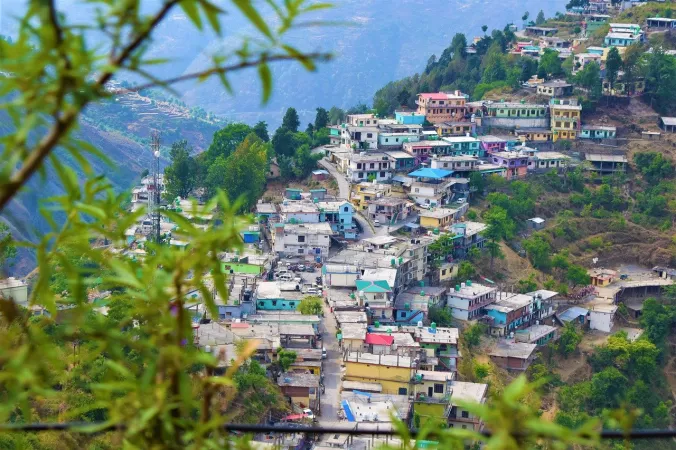
1. Almora
a is a city in Uttarakhand, India. It is the headquarters of the Almora district.
Almora is located at . It has an average elevation of 1,651 metres (5,416 ft).
The Kumaon division of Uttarakhand is drained by rivers such as the Sharda, the Suyal, the Sarju, and the Kali. These rivers originate in the Kumaon Hills and converge in the Indo-Gangetic plains.
The Almora district is bounded by the Bageshwar district to the north, by the Champawat district to the east, by the Nainital district to the south-east and by the Pithoragarh district to the south-west.
According to the 2011 census Almora district has a population of 489,834, roughly equal to the nation of Suriname. This gives it a ranking of 554th in India (out of a total of 640). The district has a population density of . Its population growth rate over the decade 2001-2011 was 15.06%. Almora has a sex ratio of 954 females for every 1000 males, and a literacy rate of 84.81%.
The main language of the people is Kumaoni, which is a dialect of Hindi.
The main religions of the people are Hinduism, Sikhism, and Islam.
The economy of the district is based on agriculture, tourism, and trade. The main crops are wheat, maize, rice, and barley. The main tourist destinations are the city of Almora, the Kumaon Hills, the Nanda Devi National Park, and the Jim Corbett National Park.
The district has a road network, a railway network, and an airport. The main road is the National Highway NH 87. The main railway station is the Almora Railway Sta
Read More
Best Time to Visit :
View Packages 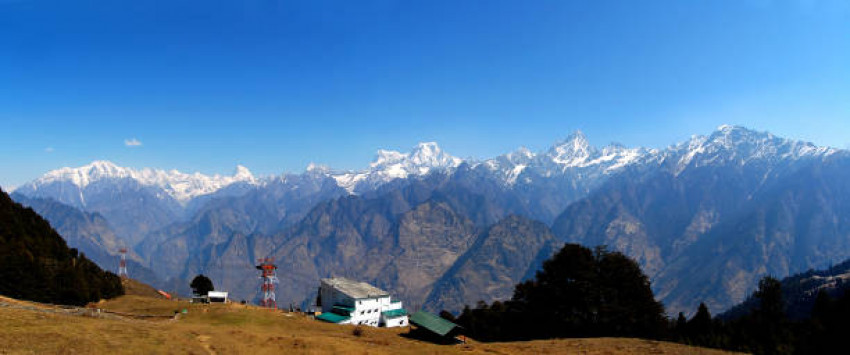
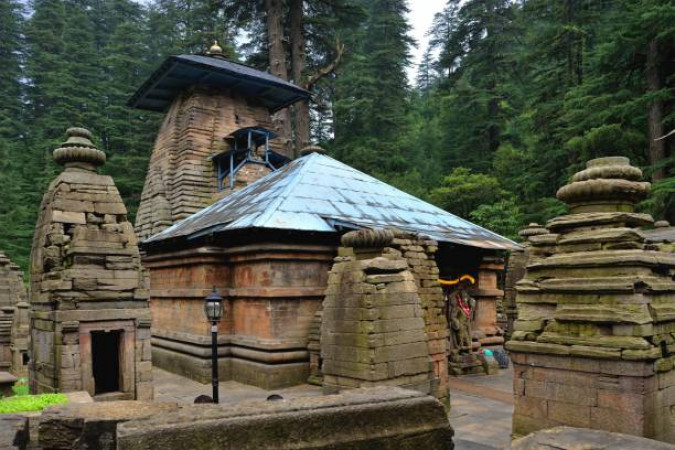
2. Auli
is a small town in the Chamoli district of Uttarakhand, India. It is a popular ski resort and is situated in the Garhwal Himalayas.
Auli is located at an altitude of 2,500 metres (8,202 feet) and is known for its excellent skiing conditions. The town is also a popular trekking destination and is home to the Auli Artificial Lake.
There are several hotels and resorts in Auli, as well as a number of restaurants and shops. The town is well connected to the rest of India by road and is a four-hour drive from the city of Dehr
Read More
Best Time to Visit :
View Packages 
3. Badrinath
adrinath, the charming town situated amidst the picturesque Garhwal Himalayas, is a spiritual haven for Hindus and a wonderland for nature lovers. The town's star attraction, the Badrinath Temple, dedicated to Lord Vishnu, is a sight to behold. The temple's exquisite architecture, with its conical roof and intricate carvings, is a testament to the rich cultural heritage of India.
Badrinath is a small town located in the Chamoli district of the Indian state of Uttarakhand. It is situated in the Garhwal Himalayas, at an elevation of 3,133 meters above sea level, and is one of the most important pilgrimage destinations for Hindus. Badrinath is famous for the Badrinath Temple, which is dedicated to Lord Vishnu. The temple is believed to have been built in the 9th century by Adi Shankaracharya, a Hindu philosopher and theologian. The temple has a unique architecture and is made of stone and wood, with a tall conical roof.
The town of Badrinath is surrounded by snow-capped mountains and is situated on the banks of the Alaknanda River. The natural beauty of the place is mesmerizing and attracts a large number of tourists every year.
Apart from the Badrinath Temple, the town also has several other places of interest such as Tapt Kund, a natural hot water spring, and Mana, the last village on the Indian side of the Indo-Tibetan border.
In conclusion, Badrinath is a significant pilgrimage destination for Hindus and a beautiful tourist spot that attracts visitors from all over the world. Its serene beauty, religious significance, and cultural heritage make it a must-visit destination in India.
History
The history of Badrinath is steeped in legends and mythology, which add to the town's charm and allure. According to Hindu mythology, the town is associated with Lord Vishnu, who is believed to have meditated here. The town's name is derived from the Sanskrit words 'badri' and 'nath,' which mean berry and Lord respectively. It is said that Lord Vishnu meditated here under a berry tree, hence the name Badrinath.
The earliest known reference to Badrinath can be found in the Skanda Purana, an ancient Hindu text. The temple's current structure is believed to have been built in the 9th century by Adi Shankaracharya, a Hindu philosopher and theologian. The temple's architecture is unique, with a tall conical roof and intricate carvings, and is a testament to the rich cultural heritage of India.
Over the centuries, Badrinath has played a crucial role in India's history. The town served as a crucial trade route between India and Tibet and was an important center of pilgrimage for Hindus.
Today, Badrinath continues to thrive as a pilgrimage destination and a tourist hotspot. The town has undergone significant development over the years, with better roads, accommodations, and facilities, making it more accessible to visitors. However, it has managed to retain its old-world charm and continues to enchant visitors with its beauty and serenity.
In conclusion, the history of Badrinath is a fascinating tale of spirituality, culture, and resilience. The town's rich past is a testament to the enduring legacy of India's ancient traditions and customs. A visit to Badrinath is not only a journey through time but also an experience that will leave you spellbound and fill you with a sense of peace and serenity.
Best time to visit
The best time to visit Badrinath is between the months of May and June and September and November when the weather is pleasant and the roads are accessible. The town remains closed during the winter months due to heavy snowfall and opens again in the month of April.
Best places to visit in Badrinath
Here are the top ten places you must visit during your trip to Badrinath:
Badrinath Temple: The crown jewel of Badrinath, this ancient temple dedicated to Lord Vishnu is a sight to behold. The intricate carvings, mesmerizing rituals, and stunning location at the banks of the Alaknanda River will leave you in awe.
Tapt Kund: A natural hot water spring believed to have medicinal properties, Tapt Kund is a must-visit spot for every traveler. Take a dip in its healing waters and feel your stress and fatigue melt away.
Neelkanth Peak: A majestic mountain peak towering over the town of Badrinath, Neelkanth Peak offers breathtaking views of the surrounding landscape. Trek up to its summit to experience a sense of accomplishment and serenity.
Vasudhara Falls: A stunning waterfall cascading down from a height of 400 feet, Vasudhara Falls is a sight to behold. Its beauty and tranquility make it the perfect spot for meditation and contemplation.
Brahma Kapal: A sacred spot on the banks of the Alaknanda River, Brahma Kapal is believed to be the place where Lord Brahma performed a penance. It is also where the last rites of the departed are performed.
Mana Village: The last inhabited village on the Indo-China border, Mana Village is a cultural and historical treasure trove. Visit its ancient cave temples, the Vyas Gufa and Ganesh Gufa, and explore its unique way of life.
Charanpaduka: A rock formation believed to bear the footprints of Lord Vishnu, Charanpaduka is a revered spot for pilgrims. It also offers stunning views of the surrounding mountains and valleys.
Narad Kund: A natural hot water spring believed to have spiritual significance, Narad Kund is a popular spot for taking a dip before visiting the Badrinath Temple. Legend has it that the sage Narada performed a penance here.
Alaknanda River: The lifeline of Badrinath, the Alaknanda River offers a mesmerizing view of its crystal-clear waters and rocky banks. It is also a popular spot for adventure activities like rafting and kayaking.
Bheem Pul: A massive rock bridge over the Saraswati River, Bheem Pul is named after the legendary Pandava prince Bheem. It is said that he placed this bridge here to cross the river during his exile.
So, pack your bags and get ready to be mesmerized by the beauty and spirituality of Badrinath. These ten places are just the tip of the iceberg in terms of the wonders this holy town has to offer.
Read More
Best Time to Visit :
View Packages 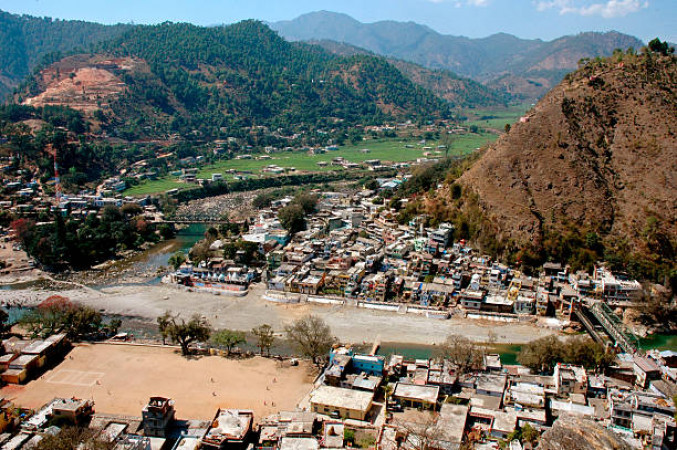
4. Bageshwar
hwar is a town and a Nagar Palika Parishad in the Bageshwar district in the state of Uttarakhand, India. It is the administrative headquarters of the Bageshwar district. Bageshwar is located at . It has an average elevation of 1,219 metres (3,988 feet).
, Bageshwar had a population of 9,839. Males constitute 54% of the population and females 46%. Bageshwar has an average literacy rate of 61%, higher than the national average of 59.5%: male literacy is 73%, and female literacy is 49%. In Bageshwar, 15% of the population is under 6 years of age.
A little under one third of the population of Bageshwar is Hindu, with around two thirds Muslim. The Hindu population is largely Brahmin, while the Muslim population is largely Pathan.
The town is located on the banks of the Sarayu River. It is surrounded by the Kumaon Hills.
The main occupation of the people is agriculture. The main crops are wheat, rice, maize, barley and sugarcane.
Bageshwar is well connected by road to the major cities of Uttarakhand. The nearest airport is at Pantnagar, about 115 kilometers away.
The town has a number of temples, including the Bageshwar Temple, the Bindeshwar Temple, and the Kapileshwar Temple. It also has a number of mosques, including the Jama Masjid and the Nawab Masjid.
Bageshwar is a popular tourist destination, with attractions including the Bageshwar Temple, the Bindeshwar Temple, the Kapileshwar Temple, the Kumaon Hills, and the Sarayu River.
Bageshwar Travel Tips
Best time to visit Bageshwar is from Oc
Read More
Best Time to Visit :
View Packages 
5. Bhowali
li is a small town and a municipal board in Nainital district in the Indian state of Uttarakhand. It is situated at an altitude of 1,371 metres (4,511 feet) above sea level. The town is known for its scenic beauty and its proximity to the hill station of Nainital.
Bhowali is located at 29.5667°N 79.7667°E / 29.5667; 79.7667. It has an average elevation of 1,371 metres (4,511 feet).
Bhowali is well known for its scenic beauty and its proximity to the hill station of Nainital. It is also known for its production of oranges and potatoes.
The town is connected to Nainital by a road that winds its way through the hills. The Bhowali-Nainital road is part of the Kumaon Motor Road, a scenic road that connects several towns and villages in the Kumaon region.
The nearest railway station is at Kathgodam, which is about 25 kilometres (16 miles) from Bhowali. The nearest airport is at Pantnagar, which is about 80 kilometres (50 miles) from Bho
Read More
Best Time to Visit :
View Packages 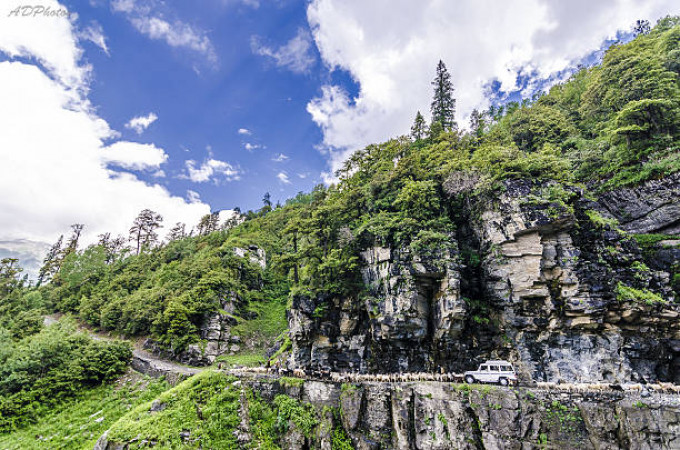
6. Chamba
a is a town and a municipal council in Tehri Garhwal district in the Indian state of Uttarakhand.
Chamba is located at . It has an average elevation of 1,302 metres (4,268 feet). India census, Chamba had a population of 9,853. Males constitute 54% of the population and females 46%. Chamba has an average literacy rate of 73%, higher than the national average of 59.5%: male literacy is 81%, and female literacy is 63%. In Chamba, 13% of the population is under 6 years of age.
Chamba is a small town in the foothills of the Himalayas, in the northwestern state of Uttarakhand, in India. It is located in the Tehri Garhwal district, at an elevation of 1,302 meters (4,268 feet). The town is situated on the banks of the Rishikesh River, and is surrounded by mountains, forests, and rivers.
The climate in Chamba is temperate, with cold winters and mild summers. The average annual temperature is 18 degrees Celsius (64 degrees Fahrenheit). The average annual rainfall is 1,500 millimeters (59 inches).
Chamba is a popular tourist destination, and is known for its natural beauty, temples, and monasteries. The town is surrounded by mountains, forests, and rivers, and is home to a number of Hindu and Buddhist temples and monasteries. The most popular tourist attraction in Chamba is the Chamunda Devi Temple, which is dedicated to the goddess Chamunda. The temple is located on a hilltop, and is surrounded by forests and rivers.
Other popular tourist attractions in Chamba include the Laxman Temple, the Hanuman Temple, the Jwala Ji Temple, and the Rishikesh River.
The town of Chamba is also home to a number o
Read More
Best Time to Visit :
View Packages 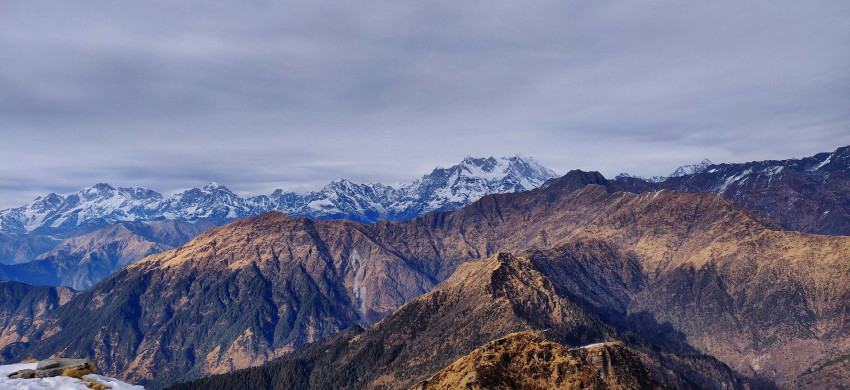
7. Chopta
a is a small village in the Tehri Garhwal district of Uttarakhand state, India. Chopta is located at an altitude of 2,680 meters (8,793 feet) above sea level.
Chopta is a popular trekking destination. The Tungnath trek starts from Chopta and ascends to the highest Shiva temple in the world. The trek to Deoriatal and Chandrashila peaks starts from Ch
Read More
Best Time to Visit :
View Packages 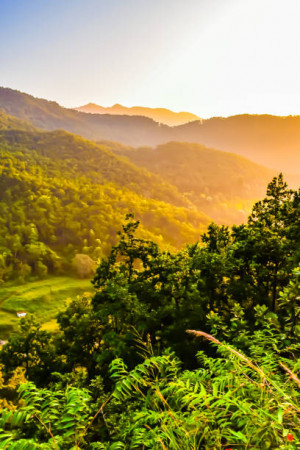
8. Dehradun
Dehradun, the capital city of Uttarakhand state in India, is situated in the foothills of the Himalayas. It is a picturesque city with a pleasant climate and scenic beauty that makes it a popular tourist destination. The city is surrounded by mountains on three sides and the Ganges River flows through it, adding to the charm of the city.
Dehradun is well-known for its educational institutions and has been a center for education since the British colonial era. The city has many prestigious schools and colleges, including the Indian Military Academy, Forest Research Institute, Doon University, and many more.
Apart from education, Dehradun is also famous for its temples and tourist attractions. The city has many ancient temples, including the Tapkeshwar Temple, which is dedicated to Lord Shiva and is located in a cave. The temple attracts a large number of devotees every year.
The city is also home to the famous Robber's Cave, which is a natural cave and a popular tourist spot. The cave has a river flowing through it and is surrounded by beautiful waterfalls and lush green forests. Visitors can take a dip in the cold water and enjoy the serene surroundings.
Another popular attraction in Dehradun is the Mindrolling Monastery, which is one of the largest Buddhist monasteries in India. The monastery has a beautiful garden and houses a 60-metre high stupa, which is one of the tallest in the world.
Dehradun is also famous for its cuisine, which includes a variety of dishes, including Garhwali and Kumaoni food. Some of the popular dishes include Bal Mithai, a sweet made from milk and sugar, and Kachmauli, a spicy meat dish.
The city is also a gateway to some of the most popular hill stations in India, including Mussoorie, Dhanaulti, and Chakrata. These hill stations are a popular destination among tourists for their scenic beauty, trekking and adventure sports.
In conclusion, Dehradun is a city that offers a perfect blend of education, culture, religion and nature. The city has something to offer for everyone, whether it is education, adventure, or relaxation. Dehradun is a must-visit destination for anyone traveling to India.
History
Dehradun, the capital city of Uttarakhand state in India, has a rich and varied history. The city has been inhabited since prehistoric times and has witnessed the rise and fall of many kingdoms and empires.
The earliest known civilization in Dehradun was the Indus Valley Civilization, which existed around 4000 years ago. Many artifacts from the Indus Valley Civilization have been discovered in the Doon Valley region, indicating that the area was inhabited during that time.
In the 2nd century BC, Dehradun was a part of the Mauryan Empire. Emperor Ashoka is believed to have visited the region and built many stupas and other structures.
During the medieval period, Dehradun was ruled by the Katyuri dynasty. The Katyuri dynasty was a powerful kingdom that ruled over Kumaon and Garhwal regions of present-day Uttarakhand. They were known for their architectural and cultural achievements and built many temples and palaces.
In the 16th century, Dehradun came under the rule of the Mughal Empire. The Mughals built many structures in the region, including forts, mosques, and gardens. The region was also a center for trade and commerce during the Mughal era.
In the 19th century, Dehradun came under the British Raj. The British established their military cantonment in the region and developed it as a center for education and research. Many prestigious educational institutions, including the Forest Research Institute and the Indian Military Academy, were established during the British era.
After India gained independence from British rule in 1947, Dehradun became a part of the state of Uttar Pradesh. In 2000, when Uttarakhand was formed as a separate state, Dehradun became its capital city.
Today, Dehradun is a modern city with a rich cultural and historical heritage. The city has preserved many of its ancient structures, including temples and palaces, and is a popular tourist destination. It is also a hub for education and research, with many prestigious institutions located in the city.
Culture
Dehradun, the capital city of Uttarakhand state in India, has a unique culture that is a blend of different traditions and influences. The city's rich cultural heritage can be seen in its festivals, food, and traditional attire.
The people of Dehradun are predominantly Hindu, and the city has many ancient temples dedicated to various deities. Some of the popular temples in the city include the Tapkeshwar Temple, which is dedicated to Lord Shiva, and the Ram Rai Gurudwara, which is a Sikh shrine.
Dehradun is also known for its festivals and celebrations. Some of the popular festivals celebrated in the city include Basant Panchami, Holi, Diwali, and Dussehra. These festivals are celebrated with great enthusiasm and are marked by colorful processions, music, and dance performances.
The city's traditional attire is a reflection of its rich cultural heritage. Women in Dehradun usually wear saris or salwar kameez, while men wear kurta pyjama or dhoti kurta. The traditional attire of Dehradun is colorful and vibrant and reflects the city's love for art and craft.
The city is also known for its cuisine, which is a blend of Garhwali and Kumaoni food. Some of the popular dishes in Dehradun include Bal Mithai, a sweet made from milk and sugar, and Kachmauli, a spicy meat dish. The city is also famous for its street food, including chaat, momos, and pakoras.
Dehradun is also a hub for education and research, with many prestigious institutions located in the city. The city has a vibrant intellectual and cultural scene, with many cultural events, seminars, and workshops taking place throughout the year.
In conclusion, Dehradun has a rich and diverse culture that is a blend of different traditions and influences. The city's cultural heritage can be seen in its festivals, traditional attire, and cuisine. Dehradun is a must-visit destination for anyone interested in experiencing the unique culture of Uttarakhand.
People of Dehradun
The people of Dehradun, the capital city of Uttarakhand state in India, are known for their warm hospitality and friendly nature. The city is home to a diverse population, consisting of people from different religious, cultural, and linguistic backgrounds.
The majority of the people in Dehradun are Hindu, but there are also significant populations of Muslims, Sikhs, and Christians. The city has a rich cultural heritage, which is reflected in its people's lifestyle, beliefs, and traditions.
The people of Dehradun are known for their love for nature and the outdoors. The city is located in the foothills of the Himalayas and is surrounded by beautiful mountains, forests, and rivers. The people of Dehradun often engage in outdoor activities such as trekking, camping, and river rafting.
The city is also known for its education and research institutions, which attract students and scholars from all over India and abroad. The city has a vibrant intellectual and cultural scene, with many cultural events, seminars, and workshops taking place throughout the year.
The people of Dehradun are also passionate about sports, particularly cricket and football. The city has produced many talented sportsmen and women who have gone on to represent India at the national level.
Overall, the people of Dehradun are known for their friendly and welcoming nature, love for nature and the outdoors, and passion for education and sports. The city's cultural and linguistic diversity adds to its charm and makes it a unique and vibrant place to live in or visit.
Best time to visit
The weather of Dehradun is excellent throughout the year. For trekking and other outdoor activities March to June is the perfect time.
Top places to visit in Dehradun
Here are the top 10 places to visit in Dehradun:
Robber's Cave: Also known as Gucchu Pani, Robber's Cave is a natural cave formation located at the foothills of the Himalayas. The cave has a stream running through it and is a popular picnic spot and a great place for adventure activities such as trekking and rock climbing.
Sahastradhara: Sahastradhara is a beautiful waterfall located about 14 km from Dehradun city. The waterfall is formed by the Baldi River and is known for its medicinal properties due to the high sulfur content in the water. It is a popular spot for relaxation and rejuvenation.
Tapkeshwar Temple: Tapkeshwar Temple is an ancient Hindu temple located in a cave at the banks of the Asan River. The temple is dedicated to Lord Shiva and is known for its natural beauty and religious significance.
Mindrolling Monastery: Mindrolling Monastery is a Tibetan Buddhist monastery located in the outskirts of Dehradun. The monastery is known for its stunning architecture and beautiful gardens. It is a peaceful place to visit and learn about Tibetan Buddhism.
Forest Research Institute: The Forest Research Institute is a premier research institute located in Dehradun. The institute is known for its stunning architecture and beautiful campus, which includes a botanical garden and a museum. It is a great place to learn about India's forest ecology and conservation efforts.
Malsi Deer Park: Malsi Deer Park is a beautiful park located about 10 km from Dehradun city. The park is home to various species of deer, including the spotted deer and the barking deer. It is a great place for a family outing and a picnic.
Rajaji National Park: Rajaji National Park is a beautiful national park located about 60 km from Dehradun city. The park is home to various species of wildlife, including tigers, leopards, elephants, and deer. It is a great place for a wildlife safari and nature photography.
Wadia Institute of Himalayan Geology: The Wadia Institute of Himalayan Geology is a premier research institute located in Dehradun. The institute is known for its research on the Himalayas and its geology. It is a great place to learn about the Himalayas and its natural history.
Kalinga War Memorial: The Kalinga War Memorial is a historic landmark located in Dehradun. The memorial commemorates the Battle of Kalinga, which took
place in ancient India. It is a great place to learn about India's ancient history and culture.
Clock Tower: The Clock Tower is a historic landmark located in the heart of Dehradun city. The tower was built during the British colonial era and is a great example of colonial architecture. It is a popular spot for tourists and locals alike.
Fun Valley water park: Fun Valley is a popular water park located in Dehradun, Uttarakhand. It is a fun-filled destination for families and friends, offering a variety of water rides, slides, and activities. The park also has a wave pool, rain dance area, and multiple food stalls to cater to visitors' needs.
Read More
Best Time to Visit :
View Packages 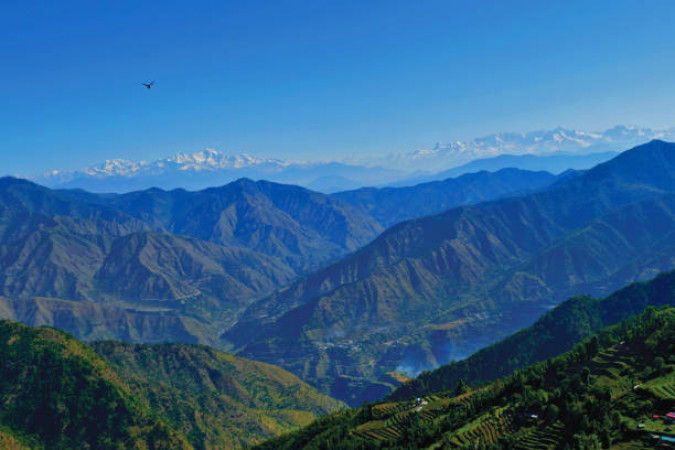
9. Dhanaulti
ulti is a hill station in Tehri Garhwal district, Uttarakhand, India. It is located at an altitude of 2,285 metres.
Dhanaulti is a beautiful hill station situated in the Garhwal region of Uttarakhand. It is located at an altitude of 2,285 metres and is surrounded by thick forests. The place is a perfect getaway for those who are looking for some peace and quiet. Dhanaulti is also a popular spot for adventure sports such as trekking and camping.
There are a number of tourist attractions in Dhanaulti, including the Surkanda Devi Temple, the Eco Park, and the Rishikesh-Badrinath National Highway. The place is also home to a variety of flora and fauna, and is a perfect spot for nature lovers.
Dhanaulti is well connected to other parts of the country via road and rail. The nearest airport is Jolly Grant Airport in Dehradun, which is about 87 km
Read More
Best Time to Visit :
View Packages 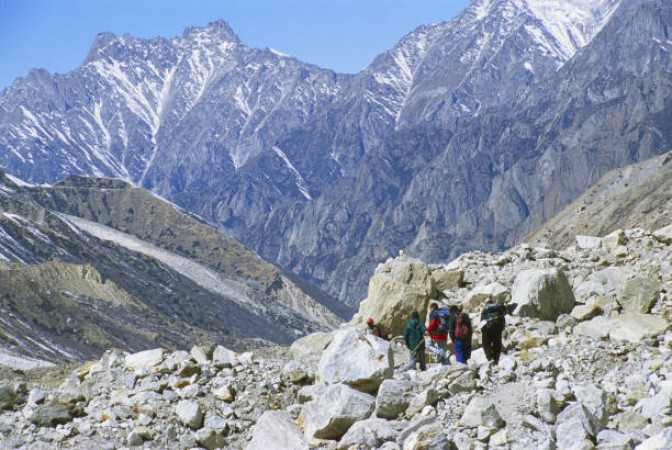
10. Gangotri
Gangotri, nestled in the majestic Himalayan range, is a place of unparalleled natural beauty and spiritual significance. As the source of the mighty Ganges river, it is revered by millions of Hindus who make the pilgrimage to this sacred site every year. It is one of the dham for Char Dham Yartra.
The journey to Gangotri is an adventure in itself, with breathtaking views of snow-capped mountains, dense forests, and winding rivers. The crisp mountain air and the peaceful surroundings offer a perfect escape from the hustle and bustle of everyday life.
Once you arrive in Gangotri, you are greeted by the stunning Gangotri temple, which dates back to the 18th century. The temple's architecture is a marvel in itself, with intricate carvings and designs that are a testament to the skill of the artisans who built it.
As you explore the area around the temple, you will come across the Bhagirathi river, a crystal clear stream that originates from the Gaumukh glacier. The river's water is believed to have healing properties and is a must-visit for anyone seeking a rejuvenating experience.
One of the best things about Gangotri is the opportunity to connect with nature. The surrounding forests are home to a variety of wildlife, including the elusive snow leopard, Himalayan black bear, and the musk deer. The area is also a birdwatcher's paradise, with species like the Himalayan Monal, Snow Partridge, and the Golden Eagle commonly sighted.
If you're looking for a spiritual experience, Gangotri has plenty to offer. The temple's atmosphere is serene and peaceful, with the sound of chanting and the fragrance of incense filling the air. The nearby Gomukh glacier is believed to be the spot where the Hindu sage, Ganga, meditated for centuries, making it a must-visit for anyone seeking a deeper connection with the divine.
In summary, Gangotri is a magical place that offers something for everyone. Whether you're seeking adventure, spiritual enlightenment, or simply a break from the chaos of everyday life, this picturesque town in the Himalayas is sure to leave you feeling refreshed and renewed.
History of Gangotri
Gangotri, located in the Indian state of Uttarakhand, has a rich and fascinating history that spans thousands of years. Legend has it that the Hindu goddess Ganga descended to earth at Gangotri, making it one of the most important pilgrimage sites for Hindus around the world.
The history of Gangotri can be traced back to ancient times when it was believed to be a part of the Kedarkhand region. The area was ruled by various dynasties, including the Katyuri and Chand dynasties, who left their mark on the region through their art and architecture.
It was during the reign of the Chand dynasty that the Gangotri temple was built. The temple, which is dedicated to the goddess Ganga, was constructed in the 18th century and is considered one of the holiest shrines in Hinduism. Over the years, Gangotri has played an important role in India's struggle for independence. It was here that Swami Vivekananda, the famous Indian philosopher, and spiritual leader, spent time in meditation and contemplation. The town also played host to many freedom fighters who used the area's natural terrain to hide from British forces during the independence movement.
Today, Gangotri remains an important pilgrimage site for Hindus, who flock to the town every year to offer prayers and seek blessings from the goddess Ganga. The town's rich history is evident in its architecture, with the Gangotri temple standing as a testament to the skill and craftsmanship of the artisans who built it.
As a result of its historical significance and natural beauty, Gangotri has become a popular tourist destination for people from all over the world. Whether you're seeking spiritual enlightenment, an adventure in the great outdoors, or simply a chance to connect with India's rich cultural heritage, Gangotri is a place that is sure to leave a lasting impression.
Best time to Visit
The best time to visit Gangotri is during the summer months, from May to June, and September to November when the weather is mild, and the skies are clear. During this time, the town is buzzing with pilgrims who come to pay their respects to the goddess Ganga and soak in the natural beauty of the area.
Best places to visit in Gangotri
Here are the top places to visit near Gangotri:
Gaumukh Glacier: Located just 18 km from Gangotri, Gaumukh Glacier is a spectacular sight to behold. The glacier, which is the source of the Bhagirathi river, is surrounded by towering Himalayan peaks and is a popular trekking destination.
Harsil: Located 25 km from Gangotri, Harsil is a small village that is known for its apple orchards and picturesque setting. The village is situated on the banks of the Bhagirathi river and is surrounded by snow-capped peaks.
Gangnani: Located 26 km from Gangotri, Gangnani is a hot spring destination that is known for its medicinal properties. The town is surrounded by lush greenery and is a great place to unwind and relax.
Uttarkashi: Located 100 km from Gangotri, Uttarkashi is a bustling town that is known for its temples and scenic beauty. The town is situated on the banks of the Bhagirathi river and is surrounded by snow-capped peaks.
Tehri Dam: Located 115 km from Gangotri, Tehri Dam is one of the largest hydroelectric projects in India. The dam is surrounded by beautiful scenery and is a popular tourist destination.
Read More
Best Time to Visit :
View Packages 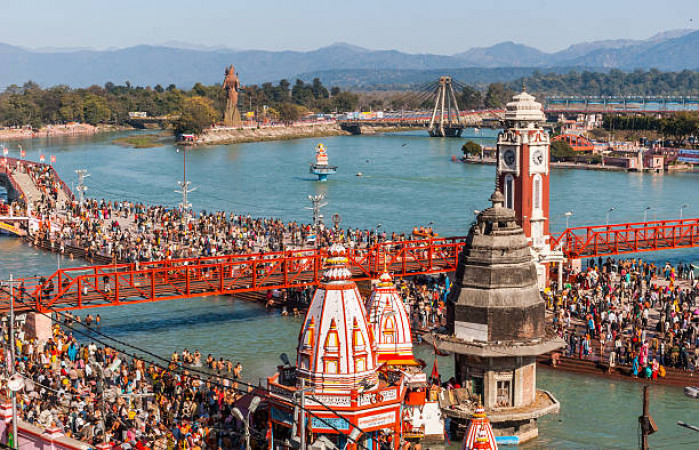
11. Haridwar
Haridwar, Gateway to Spiritual Bliss nestled in the lap of the Himalayas, Haridwar is a city of immense spiritual significance and natural beauty. Situated on the banks of the holy River Ganges, this ancient city has been a beacon of devotion and pilgrimage for centuries.
Haridwar's rich cultural heritage and sacred atmosphere draw millions of devotees and seekers from around the world. The city is adorned with countless temples, each with its own unique charm and architectural splendor. The revered Har Ki Pauri ghat, where the Ganges flows gently, is a focal point for religious ceremonies and the mesmerizing evening aarti.
Beyond its spiritual essence, Haridwar offers an array of experiences for nature enthusiasts and adventure seekers. The nearby Rajaji National Park presents an opportunity to explore diverse wildlife and lush greenery. Adventure activities like river rafting and trekking add a dash of thrill to the visit.
Haridwar is not just a destination; it's a transformative experience. Whether you seek spiritual solace, cultural immersion, or a rendezvous with nature, Haridwar offers a gateway to blissful exploration and inner awakening.
History
Haridwar, a city with a rich and ancient history, holds a significant place in the cultural and spiritual fabric of India. The history of Haridwar dates back thousands of years, making it one of the oldest living cities in the country.
Haridwar finds mention in ancient Hindu scriptures, including the Vedas, Puranas, and Mahabharata. It is believed to be one of the seven holiest places for Hindus, known as Sapta Puri. The city derives its name from "Har" meaning Lord Shiva and "Dwar" meaning gateway, signifying it as the gateway to the divine realms.
Throughout history, Haridwar has been a center for spiritual and religious activities. It has served as a major pilgrimage site for devotees seeking spiritual enlightenment and purification. The city has witnessed the rise and fall of various dynasties and empires, including the Mauryas, Guptas, and Mughals.
During the medieval period, Haridwar faced invasions and conflicts between different kingdoms. It came under the rule of the Mughals and later the British, who recognized its significance as a religious and cultural hub.
Haridwar is known for its association with the epic tale of the churning of the cosmic ocean, Samudra Manthan, mentioned in Hindu mythology. It is believed that drops of the elixir of immortality, Amrit, fell at four different locations in Haridwar, making it a sacred place for Hindus.
Over the centuries, Haridwar has witnessed the ebb and flow of spiritual seekers, saints, and devotees who have left their imprints on the city's history. The city has seen the establishment and growth of numerous temples, ashrams, and spiritual institutions.
Today, Haridwar stands as a testament to its glorious past and continues to attract millions of pilgrims and tourists from around the world. Its ancient temples, sacred ghats, and the holy River Ganges flowing through its heart carry the echoes of centuries-old traditions and rituals.
Haridwar's history is deeply intertwined with its spiritual heritage and the reverence it holds as a gateway to spiritual awakening. It remains a place where devotees and seekers can connect with the divine, immerse themselves in rituals, and experience the essence of India's rich cultural and spiritual legacy.
Culture
The culture of Haridwar is a tapestry woven with spirituality, traditions, and a deep-rooted connection to the divine. As a city steeped in religious significance, Haridwar exudes an aura of devotion and reverence that permeates every aspect of its culture.
Religion forms the bedrock of Haridwar's cultural identity. The city is home to numerous temples, ashrams, and sacred ghats where devotees engage in rituals, prayers, and seek spiritual solace. The grand Ganga Aarti at Har Ki Pauri, where the flowing waters of the holy River Ganges are worshipped with fervor, is a testament to the city's deep spiritual roots.
Haridwar is known for its vibrant festivals and religious gatherings. The Kumbh Mela, held every 4 years, is the largest gathering of humanity, where millions of pilgrims converge to take a holy dip in the Ganges. The city comes alive during festivals like Diwali, Holi, and Makar Sankranti, with colorful processions, music, dance, and cultural performances.
The city's cultural fabric also embraces traditional music, dance, and art forms. Local artists and performers showcase their talents through classical music recitals, bhajans (devotional songs), and folk dances, providing glimpses into the rich cultural heritage of the region.
Haridwar is also renowned for its Ayurveda and wellness traditions. The city houses Ayurvedic centers, yoga schools, and wellness retreats, where visitors can immerse themselves in holistic healing practices and experience rejuvenation of mind, body, and soul.
The local cuisine of Haridwar reflects the flavors of North India, with a focus on vegetarian dishes. Visitors can indulge in delicious street food, traditional sweets like jalebis and pedas, and savor the richness of North Indian culinary delights.
Hospitality is ingrained in the culture of Haridwar, with locals known for their warm and welcoming nature. Visitors and pilgrims are embraced with open arms, and the city's residents take pride in sharing their cultural heritage and spiritual traditions.
Haridwar's culture is an amalgamation of devotion, spirituality, rituals, festivals, art, and culinary delights. It is a city that embraces its sacred heritage and offers a transformative experience to all who seek spiritual solace, cultural immersion, and a deeper connection with the divine.
People of Haridwar
The people of Haridwar, a city known for its spirituality and religious significance, exude a profound sense of devotion and faith. Rooted in ancient traditions, they embrace a way of life centered around spiritual practices, rituals, and reverence for the holy River Ganges. The locals are known for their warm hospitality, welcoming visitors and pilgrims with open arms. They take pride in preserving their cultural heritage and are often seen engaging in religious ceremonies and festivals. The people of Haridwar embody the essence of devotion and play a vital role in maintaining the spiritual sanctity and cultural vibrancy of this sacred city.
Best time to visit
October to March is the best time to visit Haridwar
Best places to visit in Haridwar
Har Ki Pauri: The most iconic and revered ghat in Haridwar, where the evening Ganga Aarti takes place, offering a mesmerizing spiritual experience.
Mansa Devi Temple: Perched atop Bilwa Parvat, this temple dedicated to Goddess Mansa Devi offers panoramic views of Haridwar and is accessed via a thrilling cable car ride.
Chandi Devi Temple: Located on Neel Parvat, this ancient temple dedicated to Goddess Chandi Devi provides breathtaking views of the city and is accessible by a cable car or a trek.
Maya Devi Temple: One of the Siddha Peethas, this temple honors Goddess Maya Devi, believed to be the incarnation of Shakti, and is a sacred site for devotees.
Bharat Mata Mandir: A unique temple dedicated to Mother India, showcasing a relief map of India carved out of marble and representing unity in diversity.
Daksheswara Mahadev Temple: This ancient temple dedicated to Lord Shiva is associated with a mythological tale and holds religious significance for devotees.
Sapt Rishi Ashram: Situated on the banks of the Ganges, this tranquil ashram is believed to be the place where the seven sages meditated, offering a serene retreat.
Rajaji National Park: A wildlife sanctuary encompassing diverse flora and fauna, offering opportunities for wildlife safaris, bird watching, and nature walks.
Shantikunj: A renowned center for spiritual and social awakening, offering spiritual guidance, yoga sessions, and educational programs on Vedas and ancient sciences.
Neel Dhara Pakshi Vihar: A bird sanctuary on the banks of the Ganges, providing a haven for bird enthusiasts to witness migratory and resident avian species.
Read More
Best Time to Visit :
View Packages 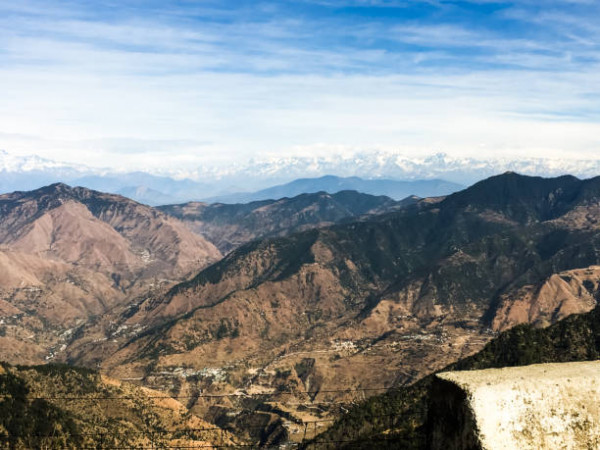
12. Kanatal
al is a town and a tehsil in Uttarakhand, India. It is located in the Tehri Garhwal district.
The town is situated on the banks of the river Bhagirathi. It is a popular tourist destination, especially for those seeking to escape the summer heat of the plains. The town is also known for its apple orchards.
The main tourist attraction in Kanatal is the Chenab Lake, which is located about 10 kilometres from the town.
There are several other tourist destinations in the vicinity, including the villages of Sattal and Naukuchi
Read More
Best Time to Visit :
View Packages 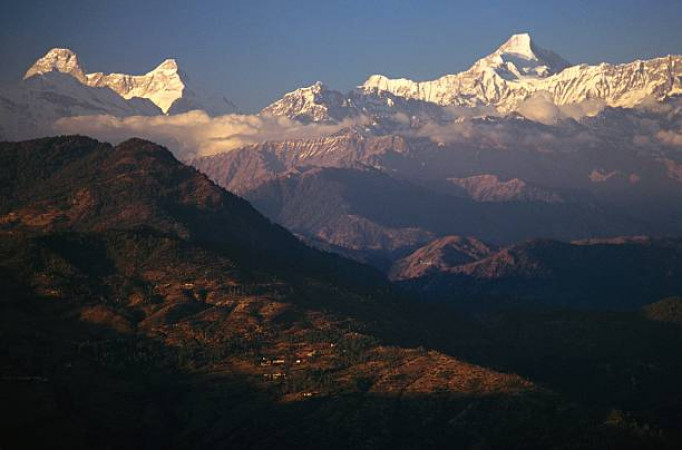
13. Kausani
ni is a town and a nagar panchayat in Bageshwar district in the Indian state of Uttarakhand. It is a hill station in the Bageshwar district, near the Nepal border.
Kausani is located at . It has an average elevation of 1,858 metres (6,096 feet).
The town is situated at an altitude of 1,858 metres (6,096 feet) above sea level. The place is full of natural splendour. The Himalayas can be seen from here in all their glory. The panoramic view of the snow-capped mountains is a sight to behold.
Kausani is a small town in the Bageshwar district of Uttarakhand. It is located at a distance of about 92 kilometres from the district headquarters. The place is situated at an altitude of 1,858 metres (6,096 feet) above sea level.
The town is surrounded by some of the most picturesque hills and mountains in the region. The Himalayas can be seen from here in all their glory. The panoramic view of the snow-capped mountains is a sight to behold.
The climate of Kausani is quite pleasant. The summers are mild and the winters are cold. The town experiences snowfall during the winter months.
Kausani is a popular tourist destination. The place is especially popular among trekkers and hikers. The town is surrounded by some of the most picturesque hills and mountains in the region. The Himalayas can be seen from here in all their glory. The panoramic view of the snow-capped mountains is a sight to behold.
The town is also home to a few tourist attractions. The Kausani Tea Estate is a popular tourist spot. The place is known for its tea plantations. Another popular tourist sp
Read More
Best Time to Visit :
View Packages 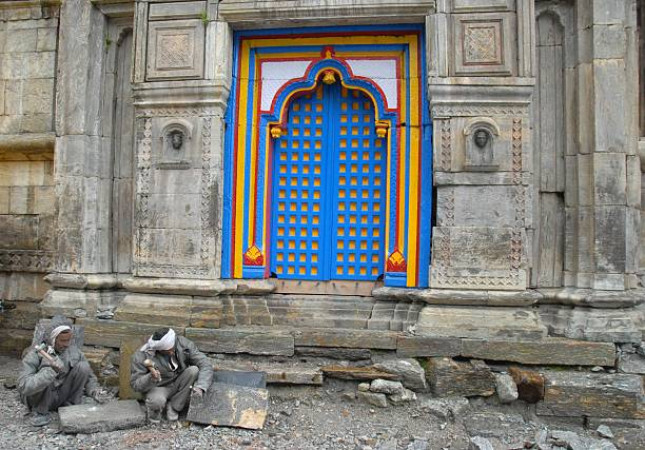
14. Kedarnath
Nestled amidst the magnificent Himalayas, Kedarnath is one of the most sacred and revered places for Hindus in India. It is situated in the Rudraprayag district of Uttarakhand, at an altitude of 3,583 meters above sea level. The town is home to the famous Kedarnath Temple, which is dedicated to Lord Shiva.
The journey to Kedarnath is an experience in itself. The scenic beauty of the Himalayas is breathtaking, with snow-capped mountains, lush green forests, and glistening rivers. The town can only be reached by foot or on horseback, as there are no roads that lead to the temple. The 14-kilometer trek from Gaurikund to Kedarnath is arduous, but the stunning views along the way make it all worthwhile. Kedarnath is one of the dham of the chardham yatra. Kedarnath yatra can be called a Journey to the Divine Abode.
The Kedarnath Temple is a marvel of ancient architecture and is believed to have been built by the Pandavas during the Mahabharata era. The temple is made of massive stones and is adorned with intricate carvings and sculptures. The main shrine inside the temple is dedicated to Lord Shiva and is said to be one of the 12 jyotirlingas in India.
The temple is surrounded by breathtaking scenery, with the Mandakini River flowing nearby and the snow-capped mountains looming in the background. The air is crisp and clean, and the silence is only broken by the sound of the river and the occasional chant of the devotees.
The town of Kedarnath has a rich history and mythology associated with it. It is believed that the Pandavas came to Kedarnath to seek the blessings of Lord Shiva, and it was here that they were absolved of their sins. The town is also mentioned in the ancient Hindu scriptures, the Puranas, and is considered to be one of the holiest places in India.
Apart from the Kedarnath Temple, the town also has several other places of interest for tourists. The Vasuki Tal Lake, which is located at an altitude of 4,150 meters, is a popular trekking destination. The lake is surrounded by snow-capped peaks and offers breathtaking views of the surrounding landscape.
The Gandhi Sarovar, which is located at an altitude of 4,000 meters, is another popular tourist spot. The lake is named after Mahatma Gandhi and is believed to have medicinal properties.
Kedarnath is also known for its wildlife and is home to several species of animals, including Himalayan black bears, snow leopards, and musk deer.
In conclusion, Kedarnath is a place of great spiritual significance and natural beauty. The journey to Kedarnath is an experience that should not be missed, and the town and its surroundings offer a plethora of activities for tourists. Whether one is a devotee seeking the blessings of Lord Shiva or a nature lover looking for an adventure, Kedarnath has something to offer for everyone.
History
According to Hindu mythology, the Kedarnath Temple was built by the Pandavas during the Mahabharata era. The temple is dedicated to Lord Shiva and is believed to be one of the 12 jyotirlingas in India. The legend goes that the Pandavas came to Kedarnath to seek the blessings of Lord Shiva, and it was here that they were absolved of their sins.
The temple is also mentioned in the ancient Hindu scriptures, the Puranas, and is considered to be one of the holiest places in India.
The Kedarnath Temple has a rich and fascinating history. The temple was destroyed and rebuilt several times throughout history. The temple was first destroyed by the Muslim invader Sultan Mahmud Ghaznavi in the 11th century. The temple was then rebuilt by the King of Garhwal in the 12th century. The temple was destroyed again in the 14th century by a massive landslide, and it was only in the 16th century that the temple was rebuilt once again.
The temple was destroyed yet again in 2013 by a massive flood that devastated the region. The flood was caused by a cloudburst, and it resulted in the death of thousands of people and the destruction of homes and infrastructure. The Kedarnath Temple was also badly damaged in the flood, and it took several years of reconstruction work to restore the temple to its former glory.
Today, the Kedarnath Temple stands as a testament to the resilience and determination of the people of the region. The temple is a symbol of the enduring faith of the devotees who come here to seek the blessings of Lord Shiva. The town of Kedarnath has been rebuilt and restored, and it is once again a popular destination for tourists and pilgrims alike.
In conclusion, the history of Kedarnath is a fascinating and inspiring tale of faith, resilience, and determination. Despite being destroyed and rebuilt several times throughout history, the Kedarnath Temple continues to stand as a symbol of the enduring faith of the devotees who come here to seek the blessings of Lord Shiva. The town of Kedarnath and its surrounding areas offer a glimpse into the rich history and culture of India, and it is a place that is truly worth visiting.
Best time to visit Kedarnath
The best time to visit Kedarnath is during the summer months, from May to June, and then from September to November. During this time, the weather is pleasant and the temperature is moderate, making it easier to travel and enjoy the beautiful surroundings. The monsoon season, from July to August, is not recommended for visiting Kedarnath as heavy rainfall can make the roads difficult to navigate and there is a risk of landslides. Additionally, during the winter months, from December to April, Kedarnath experiences heavy snowfall, making it inaccessible for tourists and the temple remains closed.
Best places to visit
Kedarnath is a town of great spiritual and cultural significance in India. Located in the state of Uttarakhand, Kedarnath is home to the famous Kedarnath Temple, which is one of the most revered places of worship for Hindus. But beyond the temple, there are many other places to see and things to do in Kedarnath.
Here are the top 10 places to see and do in Kedarnath:
Kedarnath Temple: The Kedarnath Temple is the main attraction of the town, and it is a must-visit for anyone coming to Kedarnath. The temple is dedicated to Lord Shiva and is believed to be one of the 12 jyotirlingas in India. The temple is a beautiful example of traditional Hindu temple architecture, and the surrounding mountains make for a stunning backdrop.
Kedarnath Wildlife Sanctuary: The Kedarnath Wildlife Sanctuary is a haven for nature lovers and wildlife enthusiasts. The sanctuary is home to a variety of flora and fauna, including rare and endangered species such as the snow leopard, musk deer, and Himalayan tahr. The sanctuary is also home to several trekking routes, which offer stunning views of the surrounding mountains.
Vasuki Tal: Vasuki Tal is a beautiful high-altitude lake located about 8 km from Kedarnath. The lake is surrounded by snow-capped mountains, and the clear blue waters make for a stunning sight. The trek to Vasuki Tal is a challenging one, but the views from the top are well worth the effort.
Shankaracharya Samadhi: The Shankaracharya Samadhi is a shrine dedicated to Adi Shankaracharya, the great Hindu philosopher and saint. The shrine is located near the Kedarnath Temple, and it is believed to be the final resting place of Adi Shankaracharya.
Bhairav Nath Temple: The Bhairav Nath Temple is located about 1 km from the Kedarnath Temple, and it is dedicated to Bhairav Nath, an incarnation of Lord Shiva. The temple is known for its unique architecture and the beautiful views of the surrounding mountains.
Gaurikund: Gaurikund is a small town located about 18 km from Kedarnath. The town is named after Gauri, the wife of Lord Shiva, and it is believed to be the place where Gauri performed penance to win the heart of Lord Shiva. The town is also the starting point of the trek to Kedarnath.
Triyuginarayan Temple: The Triyuginarayan Temple is located about 12 km from Kedarnath, and it is believed to be the place where Lord Shiva and Goddess Parvati got married. The temple is a beautiful example of traditional Hindu temple architecture, and it is surrounded by stunning natural beauty.
Sonprayag: Sonprayag is a small town located about 20 km from Kedarnath. The town is located at the confluence of two rivers, the Mandakini and the Basuki. The town is known for its natural beauty, and it is a popular spot for picnics and outdoor activities.
Gandhi Sarovar: Gandhi Sarovar is a high-altitude lake located about 3 km from Kedarnath. The lake is named after Mahatma Gandhi, who visited the area in 1947. The lake is surrounded by snow-capped mountains, and it is a popular spot for trekking and camping.
Read More
Best Time to Visit :
View Packages 
15. Lansdowne
owne is a town in the Canadian province of British Columbia.
The town is located on the east side of the Arrow Lakes, at the confluence of the Slocan and Dun Mountain Rivers, and is accessed via Highway 6.
Lansdowne has a population of approximately 330 people.
The town is a popular destination for fishing, camping, and hi
Read More
Best Time to Visit :
View Packages 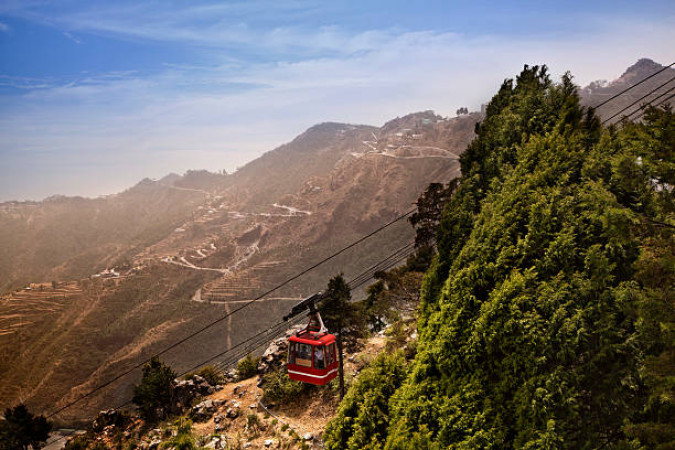
16. Mussoorie
The beautiful town of Mussoorie is located in the foothills of the Himalayas, in the state of Uttarakhand. It is well-known for its natural beauty, and is a popular tourist destination. The town is situated at an altitude of around 6,500 feet, and is surrounded by forests and mountains.
Mussoorie, the Queen of Hills, is a hill station and a municipal board in Dehradun district of the northern Indian state of Uttarakhand. It is about 35 kilometers from the state capital of Dehradun and 290 kilometers from the national capital of New Delhi.
The town of Mussoorie was first developed in the early 1800s by British colonists. They were attracted to the area because of its natural beauty and cool climate. The town soon became a popular tourist destination, and is now visited by thousands of tourists each year.
Mussoorie is a picturesque town, and is a great place to visit for those who love nature. There are plenty of hiking trails in the area, and visitors can also enjoy sightseeing, shopping, and dining. The town is home to a number of historic landmarks, including the Kempty Falls and the Mussoorie Lake.
The climate in Mussoorie is cool and temperate, and the town is a great place to visit during the summer months. There are a number of hotels and resorts in the town, and visitors can find a variety of accommodation options to suit their needs.
History of Mussoorie
The town is situated in the foothills of the Garhwal Himalayas, about 35 km from Dehradun and 280 km from New Delhi. The town is known for its natural scenery, cool climate, and colonial architecture.
The history of Mussoorie is closely linked with the British Raj. The town was developed by the British as a hill station to escape the summer heat of the plains. The first European to visit the area was Captain Young of the British East India Company, who discovered the area in 1823. The area was initially known as Mount Young.
In 1827, the British established a sanatorium for their troops in the area. The town was officially renamed Mussoorie in 1829, after a local Mussalman girl who served the troops. The town rapidly developed as a popular tourist destination, and by the late 19th century, it had become a popular getaway for the British aristocracy.
Many of the colonial-era bungalows and churches in Mussoorie date back to this period. The town also played an important role in the Indian independence movement, with Mahatma Gandhi and other leaders holding meetings in Mussoorie.
The town continued to be popular with the British after independence, and many retired to Mussoorie in the 1970s and 1980s. The town's popularity has continued to grow in recent years, and it is now a popular destination for domestic and international tourists.
Culture of Mussoorie
The culture of Mussoorie is vibrant and diverse. The town is home to people of different religions and cultures. The locals are warm and welcoming, and they take great pride in their culture and traditions.
One of the main attractions of Mussoorie is its culture and heritage. There are several temples and churches in the town, which are popular among tourists. The Mall Road is a popular tourist spot and it is home to several restaurants, cafes and shops.
The locals are very fond of music and dance. They often organise cultural events and festivals to celebrate their culture and traditions. One of the most popular festivals in Mussoorie is the Dussehra festival, which is celebrated in October. The festival is celebrated with great pomp and show, and it attracts tourists from all over the country.
The locals are also very fond of food. There are several restaurants in Mussoorie that serve traditional Indian food. The town is also home to several cafes and bakeries, which are popular among tourists.
The culture of Mussoorie is a blend of the cultures of the Garhwali and the British. The Garhwali influence is seen in the food, dress, and the language spoken. The British influence is seen in the architecture, the education system, and the way of life.
People of Mussoorie
The people of Mussoorie are a diverse mix of different cultures and backgrounds. One of the most notable groups of people in Mussoorie are the Garhwalis, who are the original inhabitants of the region. They are known for their warm hospitality and strong sense of community. They are also known for their traditional customs and practices, such as the "Phool Dei" festival, which is celebrated during the spring season.
Another important group of people in Mussoorie are the British, who established the town as a popular hill station during the colonial era. Many of them have settled in the town and have made it their permanent home. They have contributed to the development of the town and have also helped to preserve its historical and cultural heritage.
In recent times, Mussoorie has become a popular tourist destination, attracting visitors from all over the world. As a result, the town has become a melting pot of different cultures and nationalities.
Visitors can find a wide variety of cuisines and cultural experiences in Mussoorie, from traditional Garhwali food to international flavors.
Overall, the people of Mussoorie are a friendly and welcoming bunch, who are proud of their heritage and culture. They have helped to make Mussoorie the charming and picturesque town that it is today, and they continue to play an important role in its development and preservation.
Best time to visit Mussoorie
The best time to visit Mussoorie is from September to November and from March to May.
Places to visit in Mussoorie
The town is home to several popular tourist attractions, including:
Kempty Falls: This beautiful waterfall is located 15 kilometers from Mussoorie and is a popular spot for picnics and swimming. The waterfall cascades down from a height of 40 feet and is surrounded by lush green forests.
Gun Hill: Gun Hill is the second highest peak in Mussoorie and offers panoramic views of the town and the surrounding mountains. Visitors can take a ropeway ride to the top of the peak or hike up the steep path.
Lal Tibba: Lal Tibba is the highest point in Mussoorie and offers breathtaking views of the Himalayas. Visitors can take a short hike to the top of the peak or drive up the winding road.
Company Garden: This beautiful garden is located near the Mall Road and is a popular spot for picnics and walks. The garden is home to a variety of flora and fauna, including a number of rare species of plants.
Mussoorie Lake: Mussoorie Lake is a man-made lake located near the town. Visitors can take a boat ride on the lake or enjoy a picnic on the banks. The lake is also a popular spot for bird watching.
Jwalaji Temple: This ancient temple is dedicated to the Hindu goddess Durga and is located on top of the Benog Hill. The temple offers panoramic views of the surrounding mountains and is a popular spot for pilgrimage.
The Mall Road: The Mall Road is the main shopping and dining area in Mussoorie. Visitors can find a wide variety of shops and restaurants, as well as several historical buildings and monuments.
Camel's Back Road: This picturesque road offers a scenic 3 km walk with a beautiful view. It's a perfect spot for sunset photography.
These are just a few of the many popular tourist attractions in Mussoorie, each offering a unique experience and a chance to explore the town's rich culture and natural beauty.
Read More
Best Time to Visit :
View Packages 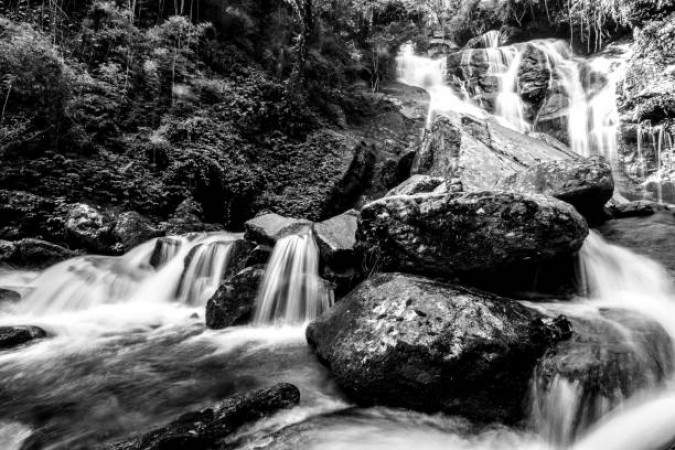
17. Pithoragarh
istrict of Pithoragarh is located in the Kumaon region of Uttarakhand state in India. The district shares its boundaries with Tibet (China) in the north and Nepal in the south. The district headquarters is located at Pithoragarh town.
The district is divided into eight tehsils: Bageshwar, Didihat, Dharchula, Kanda, Munsyari, Pithoragarh, Ranikhet and Thal.
The district is well connected by roadways with the rest of the country. The nearest airport is located at Pantnagar, about 170 kilometers
Read More
Best Time to Visit :
View Packages 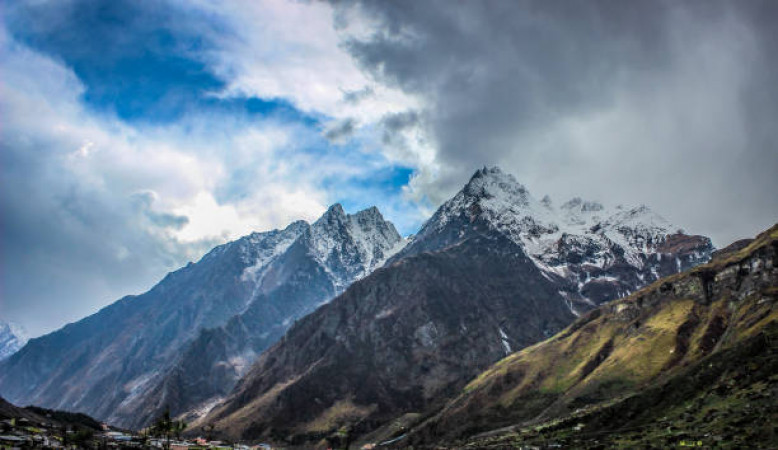
18. Ranikhet
Ranikhet is a picturesque hill station located in the Almora district of Uttarakhand, India. The town is situated at an altitude of 1,869 metres (6,128 feet) above sea level and is surrounded by the Himalayas. Ranikhet is well known for its natural beauty and is a popular tourist destination.
The town was established in 1869 by the British and was originally called "Ranikhet Cantonment". The name "Ranikhet" is derived from two words: "rani" meaning "queen" and "khet" meaning "field". The town was given this name because it was the favourite hunting ground of the British queen. Ranikhet is a popular tourist destination. The town is surrounded by oak and pine forests. The views of the Himalayas from here are said to be among the best in the region.
Ranikhet is a popular destination for honeymooners and nature lovers. The town is surrounded by dense forests, snow-capped mountains and tranquil lakes. Some of the popular tourist attractions in Ranikhet include the Chaubatia Gardens, the Binsar Mahadev Temple, the Jhula Devi Temple and the Dwarahat Temple.
The climate in Ranikhet is temperate and the town experiences four seasons: winter, spring, summer and autumn. The winter season lasts from December to February and is the most popular time to visit Ranikhet. The town is covered in snow during the winter season and the temperatures can drop to as low as -5 degrees Celsius. The spring season lasts from March to April and is the time when the temperatures start to rise and the forests come to life with colourful flowers. The summer season lasts from May to July and is the hottest time of the year. The temperatures can reach up to 40 degrees Celsius and the town is quite humid. The autumn season lasts from September to October and is the time when the temperatures start to cool down and the leaves on the trees start to change colour.
Ranikhet is a beautiful town located in the picturesque Himalayas. The town is well known for its natural beauty and is a popular tourist destination.
History of Ranikhet
Ranikhet is a hill station and cantonment town in Almora district in the Indian state of Uttarakhand. The town is situated at an altitude of 1,869 metres (6,128 feet). The place was developed by the British as a cantonment town and sanitorium in the late 19th century.
Ranikhet is a beautiful hill station in the Kumaon region of Uttarakhand. It is located at an altitude of 1,869 metres and is a popular tourist destination. The place was developed by the British as a cantonment town and sanitorium in the late 19th century.
The town is surrounded by the Himalayas and is home to some beautiful temples and monuments. The Chauthi Kothi, which is the old palace of the British Raj, is a major tourist attraction in Ranikhet. The Jhula Devi Temple is another popular tourist spot in the town.
Culture of Ranikhet
Ranikhet is a popular destination for tourists from all over the world. The town is home to a number of charming colonial-era British bungalows. The town is also well known for its natural beauty. The Himalayan mountains provide a stunning backdrop and the town is surrounded by forests and apple orchards.
The people of Ranikhet are a friendly and hospitable bunch. They are known for their love of food and are passionate about their culture and traditions. The town is also home to a number of festivals which are celebrated with great enthusiasm.
Ranikhet is a beautiful town in the Himalayan mountains and is home to a mix of different cultures and religions. The people are warm and friendly and are known for their hospitality.
People of Ranikhet
Ranikhet is a popular tourist destination and is home to many military and paramilitary units. The people of Ranikhet are mainly Hindu and of the Garhwali ethnicity. The people are known for their hospitality and friendliness. The town is also home to a small Muslim minority.
The people of Ranikhet are mainly farmers and traders. The main crops grown in the region are maize, wheat, potatoes and apples. The town is also home to a number of small industries, including a plywood factory, a rice mill and a few handicrafts units. The people of Ranikhet are mainly dependent on tourism for their income. The town is home to a number of hotels, restaurants and tourist attractions.
The people of Ranikhet are known for their love of music and dance. The town is home to a number of traditional folk songs and dances.
Best time to visit Ranikhet
The best time to visit Ranikhet is during the spring season, from March to May. The weather is mild and pleasant, and the landscape is lush and green. The autumn season, from September to November, is also a good time to visit, as the weather is comfortable and the leaves on the trees turn a beautiful yellow and red.
Places to visit in Ranikhet
There are a number of tourist attractions in Ranikhet. Some of the popular places to visit include:
1. Chaubatia Garden - This botanical garden is located on the slopes of Chaubatia Hill. It is home to a variety of trees and plants, including orchids and bamboo. There are also a number of walking trails in the garden.
2. Binsar Mahadev Temple - This temple is dedicated to Lord Shiva. It is located in the Binsar Forest Sanctuary, and offers beautiful views of the Himalayas.
3. Jhula Devi Temple - This temple is dedicated to the Hindu goddess Durga. It is located on a suspension bridge over the Rani River.
4. Kalika Temple - This temple is dedicated to the Hindu goddess Kali. It is located on a hilltop, and offers stunning views of the surrounding area.
5. Mankameshwar Temple - This temple is dedicated to the Hindu god Shiva. It is located in the town of Mankameshwar, which is just a few kilometres from Ranikhet.
6. The Golf Course - Ranikhet is home to a world-class golf course. The 18-hole course is set in the midst of the Himalayas and offers stunning views.
7. The Observatory - This observatory is operated by the Indian Army. It is located on a hilltop, and offers excellent views of the surrounding area.
8. The Kumaon Regimental Centre - This military museum is located in the town of Ranikhet. It is home to a large collection of weapons and artefacts from the Kumaon Regiment of the Indian Army.
9. The Rani Jheel - This man-made lake is located in the town of Ranikhet. It is a popular spot for birdwatching, and is home to a variety of birds, including the rare brahminy duck.
10. The Sunset Point - This viewpoint is located on a hilltop in the town of Ranikhet. It offers panoramic views of the Himalayas and the valleys of Kumaon.
Read More
Best Time to Visit :
View Packages 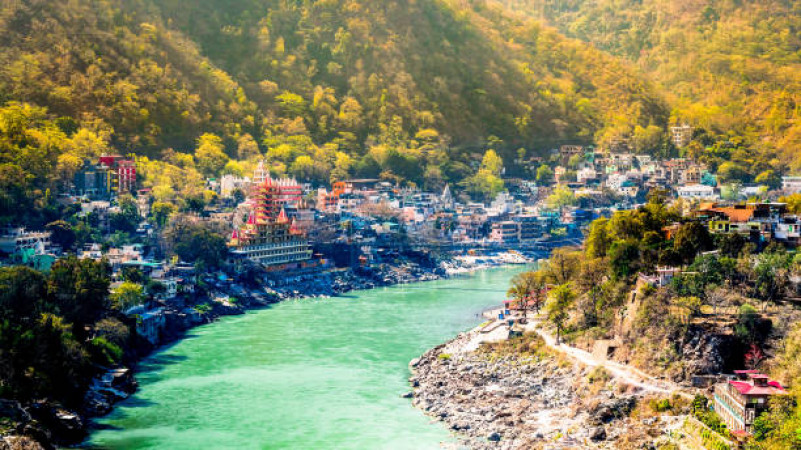
19. Rishikesh
Nestled in the foothills of the majestic Himalayas, Rishikesh stands as a serene and spiritual haven, captivating travelers with its mystical charm. Known as the "Yoga Capital of the World," this sacred city in Uttarakhand, India, attracts seekers from across the globe seeking solace, enlightenment and a deeper connection with their inner selves.
Rishikesh is situated on the banks of the sacred Ganges River, and its pristine natural beauty combined with a rich spiritual heritage creates a unique and enchanting atmosphere. The city is adorned with ashrams, temples and yoga centers, providing an ideal setting for self-discovery, meditation and holistic healing.
The spiritual significance of Rishikesh dates back thousands of years, believed to be the place where sages and yogis have attained enlightenment. The city's tranquil environment, surrounded by lush green forests and towering mountains, inspires a sense of peace and introspection.
One of the most iconic landmarks of Rishikesh is the suspension bridge, known as Lakshman Jhula, which spans across the Ganges River. Walking on this bridge, one can feel a gentle sway and the sound of the flowing river below, adding to the ethereal experience.
Another prominent bridge is Ram Jhula, offering panoramic views of the river and the surrounding landscape.
Rishikesh is renowned for its numerous ashrams, where spiritual seekers and yoga enthusiasts can engage in yoga and meditation practices under the guidance of experienced teachers. These ashrams offer a variety of programs, ranging from introductory courses to advanced spiritual practices.
Parmarth Niketan, Sivananda Ashram, and Swarg Ashram are among the well-known ashrams that attract visitors from all over the world.
The city also hosts the International Yoga Festival, a grand gathering of yoga enthusiasts and spiritual seekers, showcasing various styles of yoga, meditation, and spiritual discourses. This event brings together renowned yoga masters and provides a platform for cultural exchange and spiritual learning.
For adventure enthusiasts, Rishikesh offers a range of thrilling activities. River rafting in the Ganges River is a popular choice, allowing visitors to experience the adrenaline rush while surrounded by breathtaking natural beauty. Trekking, camping, and bungee jumping are other exciting options for those seeking an adventurous experience.
Rishikesh is not just about spirituality and adventure; it is also a place where one can indulge in the simple joys of life. The local markets offer a vibrant display of handicrafts, jewelry, clothing, and spiritual items, allowing visitors to take home a piece of Rishikesh's charm. The aroma of freshly prepared vegetarian food wafts through the streets, tempting travelers to savor the local cuisine, which is not only delicious but also considered sattvic (pure) and nourishing for the mind and body.
As the sun sets over the Ganges, Rishikesh transforms into a mesmerizing sanctuary of devotion. The banks of the river come alive with the sounds of chants and hymns during the Ganga Aarti, a divine ceremony where devotees offer prayers to the river. Witnessing this spectacle of faith and devotion leaves an indelible mark on the hearts of visitors, evoking a deep sense of reverence.
Rishikesh has a timeless allure that transcends boundaries and touches the core of one's being. Whether you seek spiritual enlightenment, adventure, or simply a peaceful escape from the chaos of daily life, Rishikesh welcomes you with open arms. It is a place where the mind finds serenity, the soul finds solace, and the spirit finds renewal amidst the divine beauty of nature.
So, embark on a journey to Rishikesh, immerse yourself in its spiritual embrace, and discover the profound treasures that await in this sacred abode of the Himalayas.
History
The history of Rishikesh is deeply intertwined with the ancient traditions of spirituality and Hindu mythology. The name "Rishikesh" is derived from two Sanskrit words: "Rishi," meaning sage or seer, and "Kesh," referring to the Lord's hair. Together, they signify the place where sages once meditated and attained spiritual wisdom.
According to Hindu mythology, it is believed that Lord Rama, the seventh incarnation of Lord Vishnu, performed penance at Rishikesh after defeating the demon king Ravana. The epic Ramayana mentions Rishikesh as the site where Lord Rama's younger brother, Lakshmana, crossed the Ganges River using a jute rope bridge, which later became the iconic Lakshman Jhula.
Throughout the ages, Rishikesh has been a haven for spiritual seekers, attracting saints, sages, and yogis who sought solitude and enlightenment. It is said that the great sage Raibhya Rishi performed intense penance at Rishikesh, leading to the divine appearance of Lord Vishnu as Hrishikesh, the one who conquers the senses.
The establishment of ashrams in Rishikesh can be traced back to the 19th century, when Swami Dayananda Saraswati, the founder of the Arya Samaj movement, set up his ashram here. Swami Sivananda, a renowned spiritual teacher, also established the Divine Life Society in Rishikesh, attracting a large number of disciples and followers.
In the mid-20th century, Rishikesh gained international recognition when the Beatles, the iconic British rock band, visited Maharishi Mahesh Yogi's ashram in the city to learn Transcendental Meditation. This event brought Rishikesh into the global spotlight as a center for spiritual and meditative practices.
Over the years, Rishikesh has evolved into a prominent destination for yoga, meditation, and spiritual retreats. It has become a sanctuary for seekers from all walks of life, offering a peaceful environment for introspection, self-discovery, and the study of ancient Vedic sciences.
The history of Rishikesh serves as a testament to its enduring significance as a spiritual hub, where the sacred Ganges River flows and the ethereal beauty of the Himalayas provides a backdrop for spiritual awakening and transcendence.
Culture of Rishikesh
The culture of Rishikesh is a tapestry woven with spirituality, devotion, and the preservation of ancient traditions. As a prominent spiritual center, Rishikesh embraces a rich cultural heritage that reflects the beliefs, practices, and values of the people who reside there and those who visit seeking spiritual enlightenment.
Spirituality is at the heart of Rishikesh's culture. The city is adorned with numerous ashrams and spiritual centers, where seekers can engage in yoga, meditation, and other spiritual practices under the guidance of experienced teachers. These institutions serve as hubs for spiritual learning, self-reflection, and the study of ancient scriptures and philosophical texts.
The practice of yoga holds immense significance in Rishikesh. It is considered the birthplace of yoga, and people from all over the world come to learn and deepen their understanding of this ancient discipline. The city hosts yoga festivals, workshops, and retreats, attracting yoga enthusiasts and practitioners of all levels.
Rishikesh reverberates with the sounds of devotional music and chants. Temples and ashrams host regular bhajans (devotional singing) and kirtans (call-and-response chanting) where devotees gather to offer their prayers and express their devotion to the deities. The Ganga Aarti, a sacred ritual held every evening on the banks of the Ganges River, is a mesmerizing experience that showcases the deep-rooted devotion of the people.
The cuisine of Rishikesh reflects the principles of purity and vegetarianism. Sattvic food, which is considered to be pure and conducive to spiritual practices, is widely available. Simple, nourishing vegetarian meals prepared with fresh ingredients are served in ashrams, restaurants, and local eateries, providing visitors with a wholesome and healthy dining experience.
Rishikesh also embraces a vibrant arts and crafts scene. The local markets showcase a variety of handicrafts, jewelry, clothing, and spiritual items. Visitors can explore the bustling bazaars, engage with local artisans, and take home souvenirs that embody the city's cultural essence.
The festivals celebrated in Rishikesh are an integral part of its cultural fabric. The International Yoga Festival, Mahashivaratri (the Great Night of Lord Shiva), and the annual International Ganga Dussehra are among the important festivals that draw both locals and tourists. These festivities involve colorful processions, ceremonial rituals, and cultural performances, creating an atmosphere of joy, unity, and devotion.
The people of Rishikesh embody a welcoming and inclusive spirit, embracing individuals from diverse backgrounds and cultures. The city has become a melting pot of global cultures, with visitors and residents from around the world contributing to the cultural exchange and spiritual growth that Rishikesh fosters.
Overall, the culture of Rishikesh is a harmonious blend of spirituality, tradition, art, and devotion. It is a place where ancient wisdom thrives, where the pursuit of self-realization and inner peace is embraced, and where the timeless teachings of the sages continue to inspire and guide generations. Rishikesh's cultural ethos creates an environment that nurtures the soul and invites all to embark on a transformative journey of self-discovery.
People of Rishikesh
The people of Rishikesh embody a unique blend of warmth, spirituality, and simplicity. They reflect the essence of the city's cultural heritage and the deep-rooted values that define its character. Rishikesh attracts individuals from all walks of life, both as residents and as visitors seeking spiritual enlightenment and solace.
The locals, known as Rishikeshis, are known for their welcoming nature and hospitality. They embrace people from different cultures and backgrounds, creating an environment that promotes unity and understanding. Rishikeshis have a deep respect for their spiritual traditions and are often engaged in practices such as yoga, meditation, and devotion.
The city is home to numerous sadhus (holy men) and sages who have chosen to live a life dedicated to spiritual pursuits. These wise individuals offer guidance and inspiration to those seeking spiritual knowledge and enlightenment. Interacting with them provides a unique insight into the profound teachings and wisdom that Rishikesh has to offer.
Rishikeshis are deeply connected to nature, with the majestic Himalayan surroundings shaping their way of life. They hold a strong reverence for the sacred Ganges River, considering it a lifeline that purifies and nourishes not only the physical being but also the spiritual soul.
The people of Rishikesh have a strong sense of community and often come together for festivals, cultural events, and religious ceremonies. These gatherings foster a sense of unity, joy, and celebration. The city's cultural diversity is reflected in the interactions and exchanges between locals and visitors, creating a vibrant tapestry of global cultures.
In their everyday lives, Rishikeshis embody simplicity and contentment. They lead a modest lifestyle, focusing on spiritual growth and inner harmony rather than material possessions. This simplicity permeates the atmosphere of the city, creating a serene and peaceful environment conducive to introspection and self-discovery.
Best time to visit Rishikesh
October to February is the best time to visit Rishikesh
Best places to visit in Rishikesh
Here are some of the best attractions that should be on your itinerary when exploring Rishikesh:
Parmarth Niketan Ashram: One of the largest ashrams in Rishikesh, Parmarth Niketan is renowned for its spiritual atmosphere and picturesque location. Attend the evening Ganga Aarti (ritual prayer) held on the ashram's ghat for a mesmerizing experience.
Laxman Jhula and Ram Jhula: These iconic suspension bridges are not only engineering marvels but also significant landmarks. Walk across these bridges to soak in the panoramic views of the Ganges River and the surrounding landscapes.
Triveni Ghat: A sacred bathing ghat where the Ganges, Yamuna, and Saraswati rivers are believed to converge. Witness the evening Ganga Aarti here and immerse yourself in the spiritual ambiance.
Neelkanth Mahadev Temple: Situated amidst lush green forests, this ancient temple is dedicated to Lord Shiva. The temple's scenic location and spiritual significance make it a must-visit spot.
Beatles Ashram (Chaurasi Kutia): Explore the abandoned ashram where the Beatles once stayed and learned transcendental meditation. Admire the vibrant graffiti art that adorns the walls and immerse yourself in the historical and cultural significance of this place.
Swarg Ashram: Known for its tranquil environment, this ashram offers a serene space for meditation and yoga practice. Take a stroll along the riverside promenade and explore the numerous temples and ashrams in the vicinity.
Rajaji National Park: Located near Rishikesh, this national park is a haven for wildlife enthusiasts. Embark on a safari to spot elephants, tigers, leopards, and a variety of bird species in their natural habitat.
Gita Bhavan: A revered place for devotees, Gita Bhavan is known for its impressive display of Hindu mythological sculptures and paintings. It also houses a vast collection of religious texts and scriptures.
Kunjapuri Devi Temple: Perched on a hilltop, this temple offers breathtaking panoramic views of the Himalayan peaks at sunrise or sunset. It is also considered a sacred site dedicated to Goddess Durga.
Waterfall Trek: Explore the nearby scenic waterfalls such as Patna Waterfall and Neer Garh Waterfall. Enjoy the refreshing cascades and unwind amidst nature's beauty.
These are just a few of the many attractions that Rishikesh has to offer. Each place carries its own unique charm and spiritual significance, making Rishikesh a captivating destination for seekers, nature lovers, and cultural enthusiasts alike.
Read More
Best Time to Visit :
View Packages 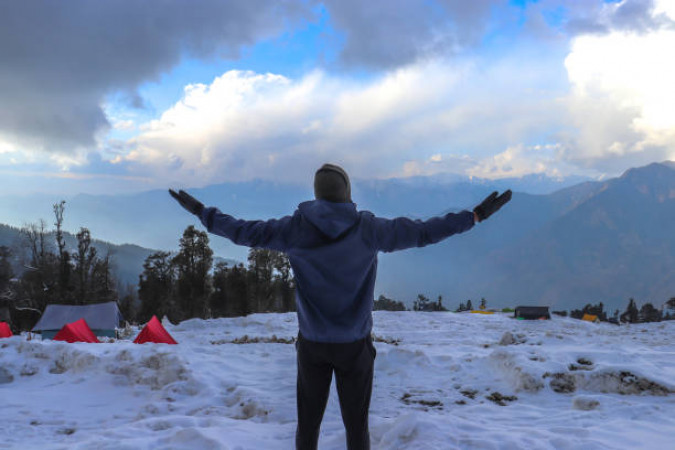
20. Uttarkashi
kashi is a town and a municipal board in Uttarakhand, India. It is the administrative headquarters of the Uttarkashi district. The town is situated at a height of 1,300 metres (4,265 ft) in the Garhwal Himalayas, on the banks of the Bhagirathi River. The town is known for its scenic natural beauty and for its Hindu temples, most notably the Kedarnath Te
Read More
Best Time to Visit :
View Packages 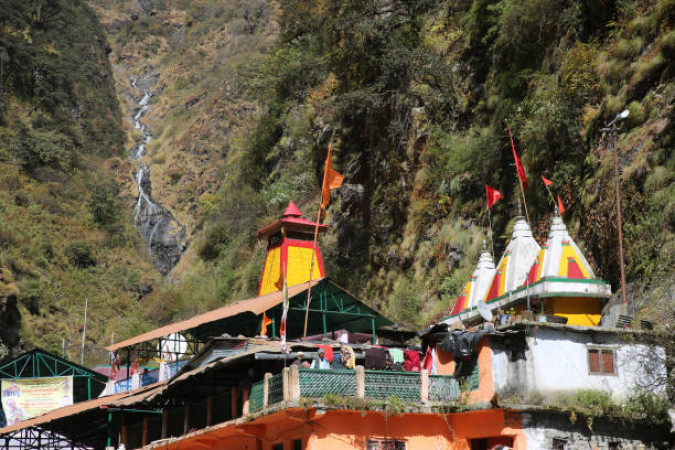
21. Yamunotri
Yamunotri is a sacred Hindu shrine located in the western region of the Garhwal Himalayas in Uttarakhand, India. It is the source of the Yamuna River and is one of the four sites that make up the Char Dham pilgrimage circuit in India. The shrine is situated at an altitude of 3,293 meters above sea level and is surrounded by stunning mountain scenery. It is believed that taking a dip in the hot water springs at Yamunotri will cleanse a person's sins and provide them with spiritual liberation. The shrine is accessible by foot or by riding ponies from the town of Hanuman Chatti.
History
According to Hindu mythology, Yamunotri has a rich history dating back to ancient times. It is believed that the Yamuna River was once a celestial river called the "Kalindi," which flowed in the heavens. The river was brought down to Earth by the sage Asit Muni through his prayers and meditation.
The temple at Yamunotri is believed to have been built by Maharani Guleria of Jaipur in the 19th century. However, the temple has undergone several renovations and restorations since then.
During the 19th and 20th centuries, the trek to Yamunotri was treacherous and dangerous, with many pilgrims losing their lives on the journey. However, with the construction of roads and infrastructure, the journey has become much easier and safer.
Today, Yamunotri is an important pilgrimage site for Hindus, who believe that taking a dip in the holy waters of the Yamuna River will cleanse their sins and bring them closer to salvation. The temple is open to visitors from May to November, and thousands of pilgrims visit the shrine each year.
Best time to visit Yamunotri
The best time to visit the place is April to November
Best places to visit in Yamunotri
Yamunotri is a beautiful and serene place, surrounded by the snow-capped Himalayan Mountains and lush green forests. Here are some of the best places to visit in Yamunotri:
Yamunotri Temple: The temple is the main attraction in Yamunotri, dedicated to Goddess Yamuna. It is located near the source of the Yamuna River and is believed to be the starting point of the Char Dham Yatra.
Surya Kund: Surya Kund is a natural hot water spring located near the Yamunotri Temple. The water in the Kund is so hot that it can be used to cook rice and potatoes.
Janki Chatti: Janki Chatti is a small town located on the way to Yamunotri. It is a popular stopover for pilgrims and is known for its beautiful views of the mountains.
Hanuman Chatti: Hanuman Chatti is a small village located on the banks of the Yamuna River. It is the starting point for the trek to Yamunotri and is known for its beautiful scenery.
Barkot: Barkot is a picturesque town located about 50 km from Yamunotri. It is known for its scenic beauty and is a popular stopover for tourists on their way to Yamunotri.
Dodital Lake: Dodital Lake is a beautiful freshwater lake located near Yamunotri. It is surrounded by dense forests and is a popular spot for camping and trekking.
Kashi Vishwanath Temple: Kashi Vishwanath Temple is a popular temple located in Uttarkashi, about 78 km from Yamunotri. It is dedicated to Lord Shiva and is known for its beautiful architecture and serene surroundings.
Read More
Best Time to Visit :
View Packages 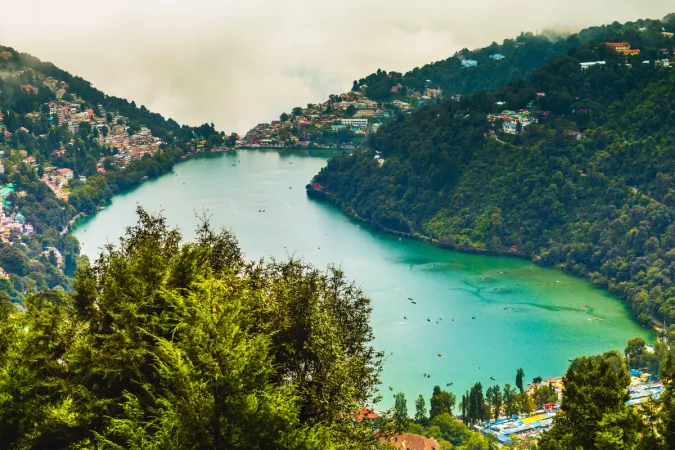
22. Nainital
Nainital is a city located in the state of Uttarakhand, India. Nainital is situated in the Kumaon Hills of the outer Himalayas. It is the administrative headquarters of Nainital district. It is known for its scenic beauty, lakes, and temples. Nainital was the summer capital of the United Kingdom's province of the North-Western Provinces, now the state of Uttarakhand.
Nainital is located in the Kumaon Hills at an altitude of 2,118 metres (6,907 feet). The city spreads across a ridge of the hills, with a lake in the centre. The lake, Naini Lake, is fed by an underground channel from the nearby Sat Tal (seven lakes). Nainital has been described as "The most beautiful town in India."
History of Nainital
The history of Nainital is quite interesting and can be traced back to the 1800s. The region around Nainital was ruled by the Kumaon Kingdom. The Kumaon Kingdom was annexed by the British East India Company in 1815. Nainital became the summer capital of the British Raj's province of the North-Western Provinces. The hill station served as a refuge for British civil servants during the hot season.
The British first discovered Nainital in 1819 and they were quite impressed by its natural beauty. They decided to make it their summer capital and soon, the town became quite popular among the British. In fact, Nainital was even mentioned in the writings of Rudyard Kipling. The town continued to grow in popularity and soon became a popular tourist destination.
Culture of Nainital
The town is also known for its culture, which is a mix of Hindu and British influences. One of the most distinctive aspects of Nainital's culture is its food. The town is known for its local dishes, which include a type of flatbread called makkhan, a type of chicken curry called murghi, and a dessert made with milk and flour called kulfi.
Another important aspect of Nainital's culture is its religious festivals. The town celebrates a number of Hindu festivals, including Dussehra, Diwali, and Holi. It also celebrates a number of Christian festivals, including Christmas and Easter.
Nainital is also home to a number of cultural institutions, including the Nainital Arts Centre and the Nainital Public Library. These institutions play an important role in preserving and promoting the town's culture. The culture of Nainital is unique and fascinating, and it is definitely worth exploring if you are visiting the town.
People of Nainital
The people of Nainital are mainly of the Kumaoni Brahmin community. The town is also home to a number of other Hindu and Sikh communities. The people of Nainital are known for their hospitality and the town is a popular tourist destination.
Best time to Visit Nainital
The best time to visit Nainital is from April to June and September to November. The weather is pleasant during these months and the views are spectacular.
July and August are the peak tourist season in Nainital and the city is crowded with tourists. The weather is hot and humid during these months and the views are not as good as during the other months.
Nainital is a great place to visit during the winter months as well. The city is covered in snow and the views are beautiful. However, the temperatures can be quite cold during this time.
Top places to visit in Nainital
Some of the top places to visit in Nainital are:
1. Naini Lake: This placid lake, located in the heart of Nainital, is the most popular tourist spot in the town. It offers lovely views of the surrounding hills and is a great place for boating and swimming.
2. Tiffin Top: This hilltop located close to Naini Lake offers stunning views of the valley below. It is a popular spot for watching the sunrise and sunset.
3. Kilbury: This hill station, located around 20 km from Nainital, is a great place for nature lovers. It offers lovely views of the Himalayas and is home to a variety of flora and fauna.
4. Bhimtal: This lake town, located around 19 km from Nainital, is a popular spot for fishing and boating. It is also home to the Bhimtal Lake, one of the largest lakes in the region.
5. Naukuchiatal: This picturesque lake town, located around 9 km from Nainital, is home to the Naukuchiatal Lake, which is said to be the deepest lake in the region. It is a great spot for trout fishing and bird watching.
6. Haldwani: This town, located around 25 km from Nainital, is the commercial hub of the region. It is a great place to buy traditional handicrafts and souvenirs.
7. Corbett National Park: This wildlife park, located around 130 km from Nainital, is home to a variety of wildlife, including tigers, leopards, and elephants. It is a great place for nature lovers and wildlife enthusiasts.
Read More
Best Time to Visit :
View Packages 
23. Dharchula
hula is a small town and a Municipality in Pithoragarh district in the state of Uttarakhand, India. Dharchula is located at the bank of Kali River. The town is the gateway to Kailash Mansarovar pilgrimage.
The town is located at the bank of Kali River. The town is the gateway to Kailash Mansarovar pilgrimage.
According to the 2011 census of India, Dharchula has a population of 9,898. Males constitute 54% of the population and females 46%. Dharchula has an average literacy rate of 73%, higher than the national average of 59.5%: male literacy is 82%, and female literacy is 63%. In Dharchula, 12% of the population is under 6 years of
Read More
Best Time to Visit :
View Packages 
24. Joshimath
own of Joshimath is located in the Chamoli district of Uttarakhand, India. It is situated at an altitude of 6,000 feet above sea level and is a popular tourist destination. The town is best known for its proximity to the Hindu pilgrimage sites of Badrinath and Kedar
Read More
Best Time to Visit :
View Packages 25. Mukteshwar
shwar is a small hill station in the Nainital district of Uttarakhand, India. It is located at an altitude of 2,286 m (7,500 ft) above sea level. Mukteshwar is known for its scenic beauty and is a popular tourist destination.
The town is located on the slopes of the Himalayas and is surrounded by high peaks. The town is known for its temples, including the Mukteshwar Temple. The town is also the site of the Mukteshwar Dham, a Hindu pilgrimage
Read More
Best Time to Visit :
View Packages Help & Support
Call Us Now
+91-8069145442