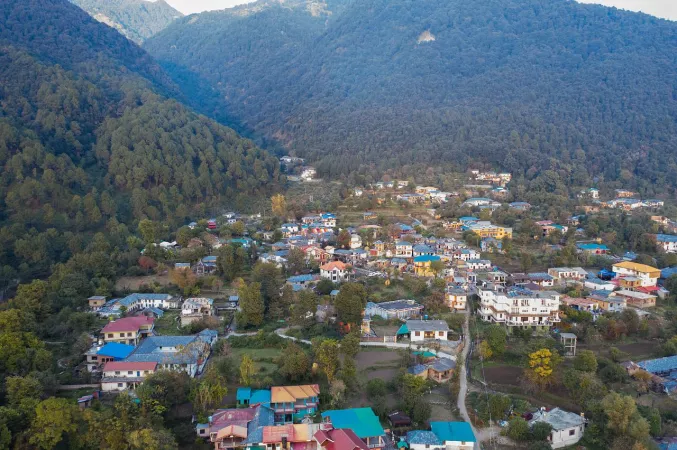
BEST PLACES TO VISIT
Here's a list of 21 Best Places to visit in Himachal Pradesh
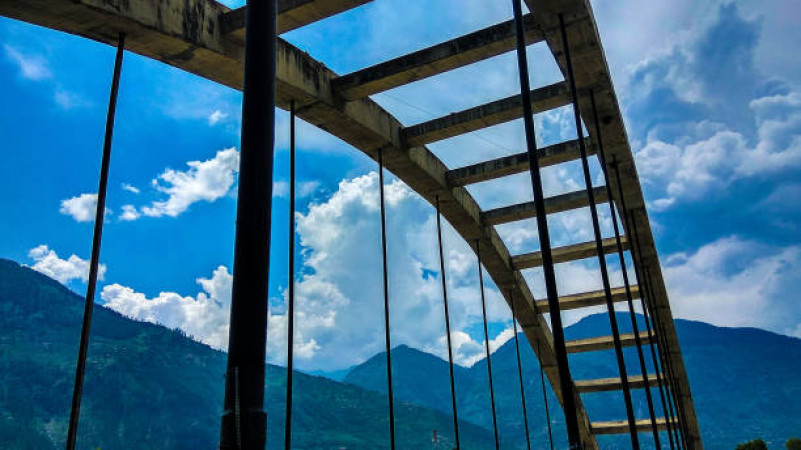
1. Bhuntar
ar is a small town located in the Kullu district of Himachal Pradesh, India. It is situated at an altitude of 1,685 meters and is a popular destination for trekking. The town is also known for its temples and is a transit point for tourists travelling to Ma
Read More
Best Time to Visit :
View Packages 
3. Dalhousie
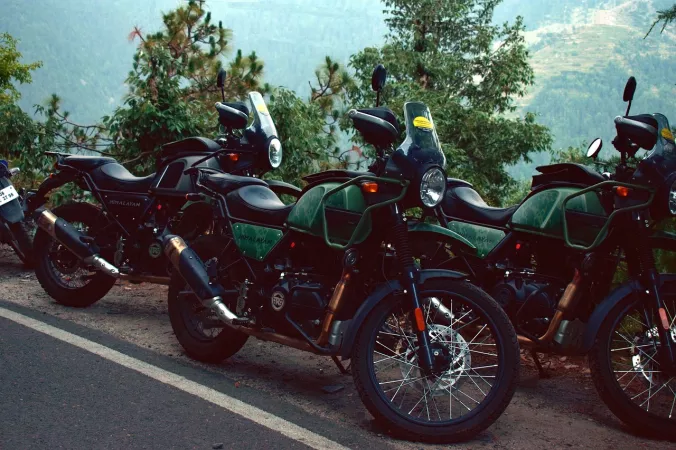
Dalhousie is a small town in the Indian state of Himachal Pradesh. It is located at an altitude of 2,083 meters and is a popular tourist destination. The town is known for its natural beauty, and the Himalayas can be seen in the distance. Dalhousie is also home to a number of Hindu temples, including the Khajjiar temple.
Dalhousie is a popular destination for winter sports, and the town's ski resort is the most popular in Himachal Pradesh. The town is also home to a number of British-era churches, including the St. John's Church and the St. Andrew's Church. It was founded by the British Governor-General of India, Lord Dalhousie in 1854. Dalhousie is named after him. The place is known for its natural beauty and architecture. The architecture of the place is a mix of British, Indian and Tibetan styles.
Dalhousie was developed as a summer retreat for the British. The climate of the place is very cool and pleasant. The place is located at an altitude of 6000 feet. The place is surrounded by mountains and forests. The place is also home to a number of temples and shrines. The most popular temple in the area is the Bhagsunath Temple.
Dalhousie is also popular for its wildlife. The place is home to a number of animals and birds. Some of the popular animals in the area are the Himalayan black bear, the leopard and the musk deer. Some of the popular birds in the area are the Monal pheasant and the cheer pheasant.The place is popular among domestic and international tourists. The place sees a large number of tourists during the summer season. The place is also popular among honeymooners.
Culture of Dalhousie
The culture of Dalhousie is a mix of Indian and British cultures. The town was founded by the British in 1854, and many of the town's traditions and customs reflect British influence. However, the town is also home to many Indian temples and cultural traditions.
People of Dalhousie
People of Dalhousie are a mix of people from different parts of India. They are warm and welcoming and make sure that the tourists have a good time.The people of Dalhousie are known for their love of food. There are many restaurants in the town that serve delicious food. The people are also known for their love of nature. There are many beautiful places in and around Dalhousie that the people love to visit.
The people of Dalhousie are a mix of different cultures and religions. This makes the town a culturally rich place to live in. The people are always willing to help each other and make sure that everyone is treated equally.
Best time to Visit
The best time to visit Dalhousie is from October to March, when the weather is cool and pleasant.However, the town is also popular during the summer months of April and May, when the temperatures are slightly higher but the scenic views are still worth a visit.
How to reach Dalhousie
The best way to reach Dalhousie is to fly into the nearby airport in Pathankot, and then take a taxi or bus to Dalhousie. Buses are available from Delhi, Chandigarh, and other nearby cities.Dalhousie is also accessible by train. The nearest railway station is in Pathankot, and then you can take a taxi or bus to Dalhousie. There are also a few mountain roads that lead to Dalhousie. These roads are only open during the summer months.
Best places to visit in Dalhousie
Some of the best places to visit in Dalhousie are the following:
1) Khajjiar Lake is a popular tourist spot located about 22 kilometers (14 miles) from Dalhousie. The lake is known for its crystal clear waters and is surrounded by dense forests.
2) Chamba Valley is a picturesque valley located about 45 kilometers (28 miles) from Dalhousie. The valley is surrounded by snow-capped mountains and is home to a number of temples and shrines.
3) Bakrota Hills are a popular trekking destination located about 18 kilometers (11 miles) from Dalhousie. The hills are known for their scenic beauty and are home to a number of temples and shrines.
4) Subhash Baoli is a popular tourist spot located about 2 kilometers (1.2 miles) from Dalhousie. The baoli is known for its intricate carvings and is a popular spot for photography.
5) Panch Pulla is a popular tourist spot located about 5 kilometers (3 miles) from Dalhousie. The pulla is known for its natural beauty and is a popular spot for photography.
6) Gopalpur Zoo is a popular zoo located about 10 kilometers (6 miles) from Dalhousie. The zoo is home to a number of animals, including tigers, lions and
Dalhousie Travel Tips
When travelling to Dalhousie, be sure to pack warm clothes. The town is located in the Himalayan Mountains, and the weather can be quite cold during the winter months.
There are a number of hotels and restaurants in Dalhousie, and the town is home to a few souvenir shops as well. Be sure to stock up on snacks and drinks before heading up to the hills, as there are no stores up there.
If you're looking for a great place to visit in India, be sure to add Dalhousie to your list. The town is beautiful, and the people are friendly. You're sure to enjoy your time there.
Read More
Best Time to Visit :
View Packages 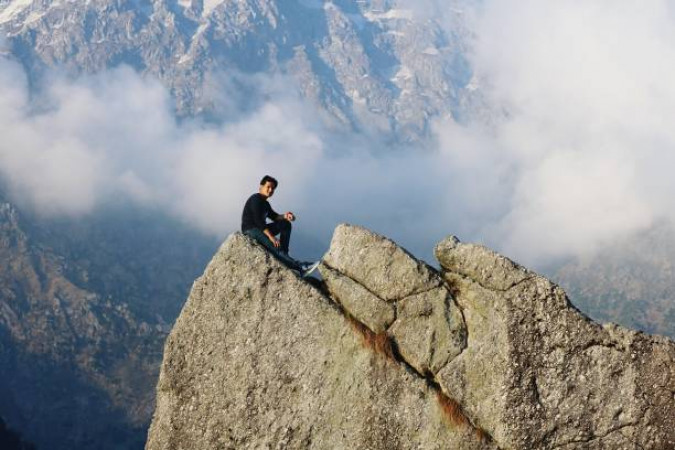
4. Dharamshala
The city of Dharamshala is one of the most beautiful places in India. It is located in the state of Himachal Pradesh and is nestled in the lap of the Himalayas. It is home to the Dalai Lama and is a popular tourist destination. The city is known for its natural beauty and the many monasteries and temples that dot the landscape. The city is also home to a large Tibetan population and is a center of Tibetan culture.
Dharamshala is a great place to visit year round. In the summer, the city is surrounded by lush green hills and is a great place to escape the heat. In the winter, the city is covered in snow and is a popular destination for skiing. The city is also home to a number of festivals throughout the year that celebrate Tibetan culture.
Dharamshala is a great place to visit for those who want to experience Indian culture and the beauty of the Himalayas. The city is clean and safe, and the people are friendly and welcoming. There are plenty of things to see and do in the city, and it is a great place to relax and enjoy the beauty of the Himalayas.
History of Dharamshala
Dharamshala is a city in the Indian state of Himachal Pradesh. It is located in the Kangra district and is the administrative headquarters of the district. The city is also the home of the Dalai Lama and the Tibetan government-in-exile.
Dharamshala was founded in 1815 by the British Raj as a hill station for British troops stationed in India. The city was named after Dharmashala, the home of the Tibetan government-in-exile. In 1905, the British built the Kangra Fort, which is now a popular tourist attraction.
Dharamshala became a popular tourist destination in the early 1960s, after the Dalai Lama and his followers fled Tibet and took refuge in India. The city's popularity increased in the 1990s, after the Tibetan government-in-exile moved its headquarters to Dharamshala.
Dharamshala is a well-known tourist destination, with many Tibetan art and culture centres, monasteries and temples.
Culture of Dharamshala
Dharamshala is a district in the Kangra Valley of Himachal Pradesh, India. It is located in the foothills of the Dhauladhar Range, and is the home of the Dalai Lama.
The culture of Dharamshala is heavily influenced by Tibetan culture. This is most evident in the town's architecture, which features many Tibetan Buddhist monasteries and temples.
Dharamshala is also home to a large Tibetan exile community.
The Tibetan exile community has established a number of schools and cultural centres in Dharamshala, which promote Tibetan culture and Buddhism.
The culture of Dharamshala is also influenced by Indian culture. This is most evident in the town's food, which features many Indian dishes.
Dharamshala is a popular tourist destination, and its culture is attracting increasing attention from international visitors.
People of Dharamshala
Dharamshala is a city in the Indian state of Himachal Pradesh. It is located in the Kangra Valley and is the administrative headquarters of the district of Kangra. The city is home to the Dalai Lama and the Tibetan government-in-exile.
Dharamshala is also home to a large number of Tibetan refugees, who fled Tibet after the Chinese invasion in 1959. The city is also a popular tourist destination, with many tourists visiting Dharamshala to see the Dalai Lama and the Tibetan refugee community.
The people of Dharamshala are predominantly Hindu, although there is a significant Tibetan Buddhist population as well. The people of Dharamshala are known for their friendliness and hospitality, and the city is often referred to as the "home of the Tibetan people."
Best time to visit Dharamshala
The best time to visit Dharamshala is from March to November. The weather is pleasant during these months and the tourist attractions are not too crowded. However, Dharamshala can be visited throughout the year.
Best places to visit Dharamshala:
McLeod Ganj - McLeod Ganj is a suburb of Dharamshala that is home to the Dalai Lama and the Tibetan government in exile. It is a popular tourist destination and is known for its scenic beauty and serenity.
The Dalai Lama Temple - The Dalai Lama Temple is a Buddhist temple in McLeod Ganj that is dedicated to the Dalai Lama. It is a popular tourist destination and is known for its architecture and scenic beauty.
The Kangra Fort - The Kangra Fort is a fort in Kangra, Himachal Pradesh that is believed to have been built by the rajas of the Katoch dynasty in the 17th century. It is a popular tourist destination and is known for its architecture and historical significance.
The Norbulingka Institute - The Norbulingka Institute is a Tibetan cultural institute in Dharamshala that was founded by the 14th Dalai Lama in 1988. It is a popular tourist destination and is known for its architecture and cultural significance.
The Tsuglagkhang Comple - The Tsuglagkhang Complex is a Tibetan monastery in Dharamshala that was founded by the 14th Dalai Lama in 1959. It is a popular tourist destination and is known for its architecture and religious significance.
The Jwalamukhi Temple – This temple is dedicated to the Hindu goddess Jwalamukhi and is located in the town of Jwalamukhi, about 30 km from Dharamshala. It is a famous temple and is visited by thousands of pilgrims every year.
Read More
Best Time to Visit :
View Packages 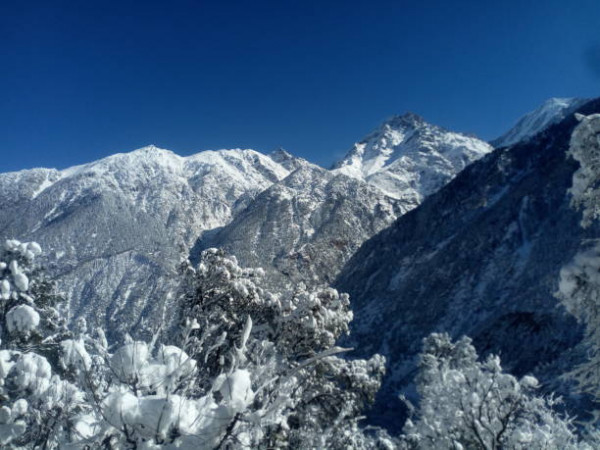
5. Kalpa
is a small town located in the Kinnaur district of Himachal Pradesh. It is situated at an altitude of 9,744 feet and is a popular tourist destination. The town is famous for its natural beauty and is a gateway to the Spiti Valley.
Kalpa is known for its temples and monasteries. The most popular temples in the town are the Chango Monastery and the Kalpa Monastery. The Chango Monastery is a Buddhist monastery and is one of the most important monasteries in the region. The Kalpa Monastery is a Hindu temple and is dedicated to Lord Shiva.
Kalpa is also a popular destination for adventure sports enthusiasts. Some of the popular adventure sports activities in the town include trekking, mountain biking, and paragliding.
There are a few restaurants and hotels in Kalpa. The restaurants serve Indian, Tibetan, and Chinese cuisine. The hotels offer basic amenities such as room service, laundry service, and internet ac
Read More
Best Time to Visit :
View Packages 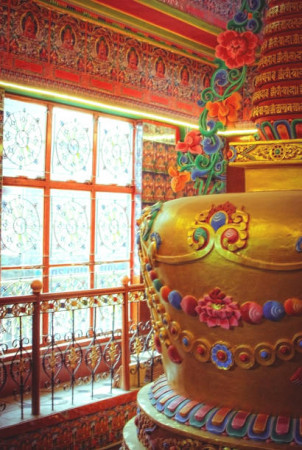
6. Kangra
a is a city in the Indian state of Himachal Pradesh. It is the headquarters of the Kangra district. Kangra is located in the Kangra Valley, on the left bank of the Beas River, about 20 kilometres (12 mi) north of Dharamsala.
The town of Kangra is a religious center for Hindus and Sikhs. The city is also known for its fort, the Kangra Fort, which was built by the Rajputs in the 10th century. The fort is now a museum.
The city is also home to the offices of the Tibetan government-in-exile and the headquarters of the Tibetan spiritual leader, the Dalai
Read More
Best Time to Visit :
View Packages 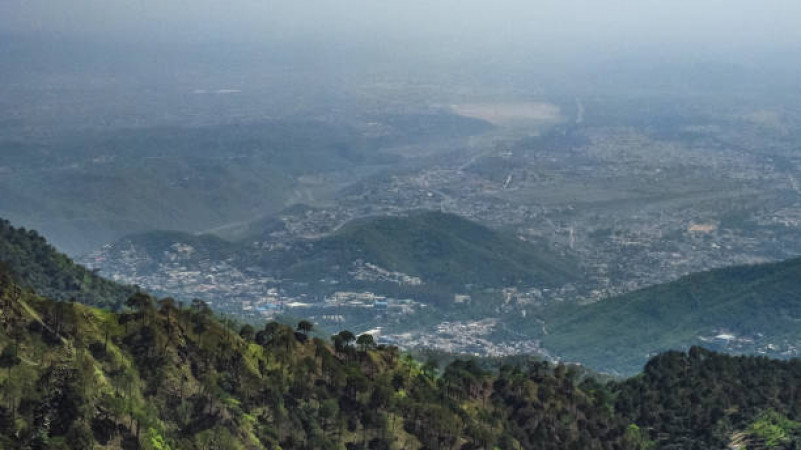
7. Kasauli
Kasauli is a hill station in Himachal Pradesh, India. It is located in Solan district, 73 km from Shimla and is at an altitude of 1,890 meters. Kasauli is a popular tourist destination.
The name Kasauli is derived from the words "kas" meaning "sand" and "auli" meaning "forest". Kasauli is a small town with a population of around 6,000. It is a cantonment town with a military presence.
It is a popular tourist destination, with many people coming to visit the Christ Church, which is one of the oldest churches in North India. The Monkey Point is another popular tourist destination, with great views of the surrounding countryside.
The town is a popular tourist destination, with many people coming to enjoy the views of the mountains and the forests. The town is also known for its colonial architecture, with many buildings dating back to the British Raj.
Kasauli is a very peaceful and calm town. It is a popular place to come to relax and get away from the hustle and bustle of city life.
The Kasauli Brewery is also a popular tourist destination, with tours of the brewery available. The brewery is the oldest and largest brewery in Himachal Pradesh.
History
Kasauli is also known for its historical significance, as the district was an important center of trade and commerce in the pre-British era.
The history of Kasauli district can be traced back to the 2nd century BC, when it was part of the Mauryan Empire. The region was subsequently ruled by the Kushan and Gupta dynasties. In the early 16th century, the region came under the control of the Mughal Empire.
In 1815, the British East India Company conquered the region and established the colonial rule. The Kasauli district was an important center of trade and commerce in the pre-British era, with many merchants and traders operating out of the region.
The district is also known for its many temples, which date back to the medieval period. The most famous of these temples is the Kasauli Baptist Church, which was built in 1881.
The Kasauli district is also known for its natural beauty, with its many hills and valleys. The district is a popular tourist destination, with many visitors coming to enjoy its peaceful atmosphere and natural scenery.
Culture
Kasauli is located in Himachal Pradesh and is a small town that is known for its natural beauty and its culture. The people of Kasauli are warm and welcoming, and the town is known for its festivals and for the many temples that are located there.
The people of Kasauli are also known for their religious beliefs, and there are many temples in the town that are dedicated to various Hindu gods and goddesses. Some of the most popular temples in Kasauli include the Hanuman Temple, the Kali Temple, and the Vishnu Temple. The culture of Kasauli is also reflected in its architecture, and many of the buildings in the town are built in the traditional Indian style. The most popular building in Kasauli is the Christ Church, which is a British-era church that is located in the town center.
Kasauli is a beautiful town that is known for its natural beauty and for its rich culture. The people of Kasauli are warm and welcoming, and the town is home to many festivals and temples that are worth visiting.
People of Kasauli
Kasauli is a small town in Himachal Pradesh, India. The town is located in the Solan district and is situated at an altitude of 1,828 metres (6,000 ft) above sea level. It has a population of around 6,000 people. The people of Kasauli are a mix of different religions and cultures. The majority of the people are Hindu, followed by Sikh and Christian. The people are warm and friendly and are known for their hospitality.
The town is a popular tourist destination and the people of Kasauli are used to dealing with tourists. They are always happy to help out and to give advice on the best places to visit in the town and the surrounding area.
The people of Kasauli are also known for their love of food. There are a number of restaurants in the town serving a variety of Indian and international cuisine. The locals are always happy to recommend their favourite places to eat. Kasauli is a beautiful town with a friendly and welcoming population. The people are proud of their heritage and culture and are always happy to share their town with visitors.
Best time to visit
March to June is the best time to visit Kasauli
Here are some of the top attractions in Kasauli:
Top places to visit
1. Sunset Point: This is one of the most popular spots in Kasauli and offers stunning views of the sunset over the mountains.
2. Christ Church: This Anglican church was built in 1853 and is a major tourist attraction in Kasauli.
3. Monkey Point: This is a popular spot for watching monkeys and is also home to a Shiva temple.
4. Kasauli Castle: This is a 19th century castle that is now used as a hotel.
5. The Mall: This is the main street in Kasauli and is lined with shops and restaurants.
6. Gilbert Trail: This is a popular hiking trail that leads to the Monkey Point.
7. Baghsar Fort: This fort is located about 10 kilometers from Kasauli and is a popular tourist attraction.
8. Dharampur: This town is located about 15 kilometers from Kasauli and is home to the Dharampur Tea Estate.
9. Kunal Path: This is a scenic path that leads to the Baghsar Fort.
10. The Kandariyas: These are a group of temples that are located about 12 kilometers from Kasauli.
Read More
Best Time to Visit :
View Packages 
8. Kasol
is a small village located in the Himalayan Mountains of north-western India, in the state of Himachal Pradesh. It is located in the Parvati Valley, about 50 km north of the city of Bhuntar. Kasol is a popular tourist destination, known for its natural beauty, trekking routes, and cannabis cul
Read More
Best Time to Visit :
View Packages 
10. Mcleodganj
Nestled in the serene beauty of the Dhauladhar range in the Indian state of Himachal Pradesh, Mcleodganj is a captivating hill station that offers a unique blend of spirituality, natural splendor, and cultural diversity. Popularly known as Little Lhasa, Mcleodganj serves as the residence of His Holiness the 14th Dalai Lama, making it a significant hub of Tibetan culture in India.
One of the major attractions of Mcleodganj is the Tsuglagkhang Complex, which houses the Dalai Lama's temple. The peaceful ambiance of the temple, filled with the gentle chants of monks, creates an aura of tranquility and draws visitors from all walks of life. The nearby Tibetan Museum showcases the rich history and struggles of the Tibetan people, offering insights into their vibrant culture.
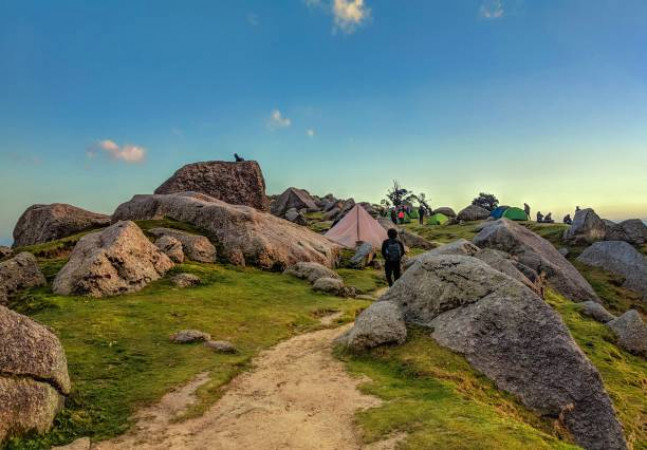
Mcleodganj's natural beauty is awe-inspiring, with majestic snow-capped peaks, dense forests, and gushing waterfalls. The breathtaking views of the Dhauladhar range provide a stunning backdrop for treks and hikes. Triund, a popular trekking destination, rewards adventurers with panoramic vistas of the surrounding valleys and mountains.
The town's bustling streets are adorned with vibrant Tibetan markets, offering a variety of handicrafts, clothing, and souvenirs. The aroma of Tibetan delicacies like momos and thukpa waft through the air, tempting visitors to savor the flavors of the region.
Mcleodganj is not just a destination for spiritual and natural retreat; it is also a melting pot of diverse cultures. The warm hospitality of the locals and the fusion of Tibetan and Indian traditions create a harmonious environment that is both inviting and captivating.
For those seeking inner peace and self-discovery, Mcleodganj offers numerous meditation centers and yoga retreats. The serene surroundings and the guidance of experienced instructors make it an ideal place for rejuvenation and self-reflection.
In addition to its own charms, Mcleodganj also serves as a gateway to other attractions in the region, including the serene Dal Lake and the ancient Kangra Fort.
Mcleodganj is a place where spirituality, natural beauty, and cultural immersion converge, creating a haven for travelers seeking a transformative experience. Whether you are drawn to the spiritual teachings of Buddhism, the serenity of nature, or the vibrant cultural tapestry, Mcleodganj promises to leave an indelible mark on your heart and soul.
History of Mcleodganj
Mcleodganj has a rich history that is deeply intertwined with Tibetan culture and the struggle of the Tibetan people. The town gained prominence in the mid-19th century when it was established as a British colonial hill station in the Kangra Valley of Himachal Pradesh, India. It was named after Sir Donald Friell McLeod, a Lieutenant Governor of Punjab.
However, the real transformation of Mcleodganj began in 1959 when His Holiness the 14th Dalai Lama, along with a significant number of Tibetan refugees, sought refuge in India after escaping the Chinese occupation of Tibet. The Indian government graciously offered them assistance and land, and Mcleodganj became the residence of the Dalai Lama and the headquarters of the Tibetan government-in-exile.
Since then, Mcleodganj has become a center for Tibetan culture, spirituality and political activities. The Tibetan community has thrived in this peaceful haven, preserving their heritage, language, and traditions. Numerous monasteries, temples, and Tibetan institutions were established, creating a vibrant Tibetan community in exile.
Over the years, Mcleodganj has attracted international attention as a hub of Tibetan Buddhism and a place of pilgrimage for spiritual seekers. People from all over the world visit Mcleodganj to receive teachings from the Dalai Lama, attend meditation retreats, and immerse themselves in Tibetan culture.
The town has also witnessed its share of challenges and hardships. Despite the struggles faced by the Tibetan community, Mcleodganj has remained a symbol of resilience and hope. The peaceful coexistence of Tibetan refugees and the local Indian community has contributed to the unique cultural fabric of the town.
It continues to attract travelers, spiritual seekers, and those interested in experiencing the blend of Tibetan and Indian cultures that define the town. The history of Mcleodganj is a remarkable tale of resilience, cultural preservation, and the power of human spirit in the face of adversity.
Culture of Mcleodganj
Mcleodganj is a melting pot of cultures that reflects the unique blend of Tibetan and Indian traditions. The town's vibrant cultural tapestry is shaped by the presence of the Tibetan community, which has made Mcleodganj their home in exile.
Tibetan culture is deeply rooted in Mcleodganj, evident in its monasteries, temples, and the Tibetan Institute of Performing Arts. The Namgyal Monastery, situated within the Tsuglagkhang Complex, serves as a major center for Buddhist learning and practice. Visitors can witness monks engaged in prayer rituals, sacred chants, and the performance of traditional Tibetan dances.
The presence of His Holiness the Dalai Lama further enriches the cultural fabric of Mcleodganj. The Dalai Lama's teachings draw followers from around the world, fostering an environment of spirituality and enlightenment. His residence in Mcleodganj has made it a pilgrimage destination for Buddhist practitioners seeking spiritual guidance.
Mcleodganj also offers a glimpse into traditional Tibetan arts and crafts. The Tibetan Handicraft Center showcases intricate Thangka paintings, woven carpets, and exquisite handicrafts made by skilled Tibetan artisans. Visitors can witness the meticulous process of creating these works of art and even purchase them as souvenirs.
In addition to Tibetan culture, Mcleodganj has absorbed elements of Indian culture, creating a unique fusion. The town's bustling streets are lined with Indian and Tibetan eateries, offering a delightful mix of flavors and culinary experiences. Local festivals, such as Losar (Tibetan New Year) and Diwali, are celebrated with great enthusiasm, blending traditional Tibetan and Indian customs.
The harmony and coexistence between the Tibetan community and the local Indian population further enhance the multicultural ambiance of Mcleodganj. The town serves as a meeting point for people from different backgrounds, fostering cultural exchange and understanding.
Mcleodganj's cultural diversity is also reflected in its thriving music and art scene. Tibetan music concerts, poetry readings, and cultural performances provide a platform for artists to express themselves and share their talents with the community.
The preservation of Tibetan language, literature, and education is a testament to the strong cultural identity of the Tibetan community in Mcleodganj. Tibetan language classes and cultural workshops are conducted to ensure the transmission of Tibetan heritage to the younger generation.
Visiting Mcleodganj offers an opportunity to immerse oneself in a unique cultural experience. It allows visitors to witness the resilience of Tibetan culture, appreciate the harmony between different cultures, and gain a deeper understanding of the interconnectedness of humanity. The cultural richness of Mcleodganj is a true reflection of the town's spirit and its role as a sanctuary for Tibetan culture in exile.
People of Mcleodganj
The people of Mcleodganj represent a diverse community that encompasses both local Indians and Tibetan refugees. The town is primarily known as a significant hub for the Tibetan community in exile, and their presence has greatly influenced the cultural and social fabric of Mcleodganj.
The Tibetan refugees who reside in Mcleodganj have brought their rich heritage, traditions, and spirituality to the town. They continue to preserve their language, customs, and religious practices, making Mcleodganj a vibrant center of Tibetan culture outside of Tibet. The Tibetan community includes monks, nuns, artists, musicians, craftsmen, and individuals from all walks of life. They have formed various organizations and institutions to support the Tibetan cause, promote cultural activities, and provide education and healthcare to the community.
The locals of Mcleodganj, primarily Indian residents, coexist with the Tibetan community, creating a unique multicultural environment. The local population includes individuals from different ethnic backgrounds, including Himachali and other regional communities. Many locals are involved in tourism-related businesses, such as hotels, restaurants, and handicraft shops, catering to the needs of visitors.
The people of Mcleodganj, whether Tibetan or Indian, are known for their warmth, hospitality, and peaceful coexistence. The locals are welcoming and often interact with visitors, sharing stories and insights about the town's history and culture. The Tibetan community is known for their resilience, kindness, and devotion to their cultural heritage.
Mcleodganj serves as a meeting point for people from around the world, creating a cosmopolitan atmosphere. It attracts spiritual seekers, backpackers, tourists, and individuals interested in Tibetan Buddhism and Tibetan culture. The interactions between people of different backgrounds foster cultural exchange, dialogue, and a deeper understanding of diverse perspectives.
The people of Mcleodganj, with their diversity and shared experiences, contribute to the town's unique charm and sense of community. Their collective presence and interactions create an atmosphere of tolerance, unity, and respect for different cultures and beliefs. It is this harmonious blend of people that adds to the enchantment and cultural richness of Mcleodganj.
Best time to visit
March to June and September to December
Best places to visit in Mcleodganj
Tsuglagkhang Complex: The heart of Mcleodganj, this complex houses the Dalai Lama's temple, where visitors can witness Buddhist rituals and teachings. It also includes the Tibetan Museum, offering insights into Tibetan history and culture.
Bhagsu Waterfall: A scenic waterfall surrounded by lush greenery, it is a popular spot for nature lovers and a refreshing retreat from the bustling town. The nearby Bhagsunath Temple is also worth a visit.
Namgyal Monastery: One of the most important Tibetan monasteries outside of Tibet, it offers a serene environment for meditation and spiritual contemplation. Visitors can witness monks engaged in prayer rituals.
Triund: A picturesque trekking destination with breathtaking views of the Dhauladhar range, it is ideal for adventure enthusiasts. The trail takes you through forests and meadows, culminating in panoramic vistas from the summit.
Dal Lake: Surrounded by deodar trees, this serene lake is a perfect spot for picnics and boating. It is considered sacred and hosts an annual fair during September.
Kangra Fort: Located a short distance from Mcleodganj, this ancient fort is a historical marvel. It offers panoramic views of the surrounding valley and houses various temples, palaces, and ancient artifacts.
Norbulingka Institute: A center for preserving Tibetan art and culture, this institute showcases traditional Tibetan crafts, including thangka paintings, woodwork, and metalwork. Visitors can observe artists at work and participate in workshops.
St. John in the Wilderness Church: A beautiful Anglican church surrounded by cedar forests, it holds historical significance and is known for its serene ambiance.
Tibetan Children's Village: A residential school and home for Tibetan refugee children, visitors can learn about the educational and welfare initiatives for the young Tibetan community.
Tushita Meditation Centre: A renowned meditation center offering courses and retreats on Buddhist philosophy and meditation practices. It provides a serene environment for self-reflection and spiritual growth.
Read More
Best Time to Visit :
View Packages 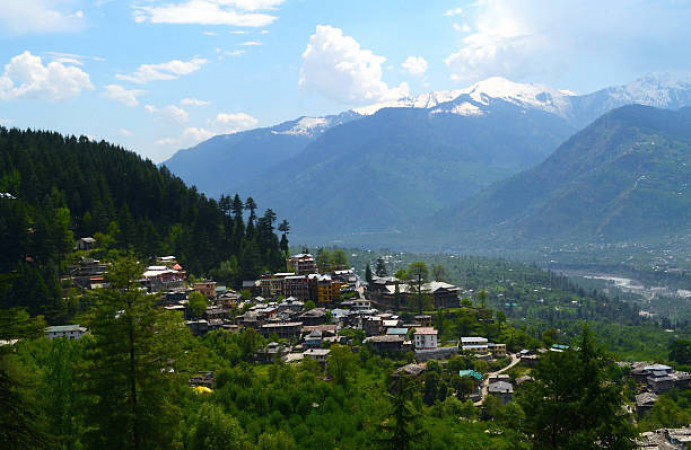
11. Naggar
r is a small town in the Kullu district of Himachal Pradesh in India. It is located on the banks of the Beas River and is situated at a height of 1,890 metres (6,200 ft).
The town is known for its many temples and is a popular tourist destination. It is also home to the Naggar Castle, which was built by Raja Sidh Singh of Kullu in the 15th century.
Naggar is connected to the nearby town of Manali by a narrow road that winds through the mount
Read More
Best Time to Visit :
View Packages 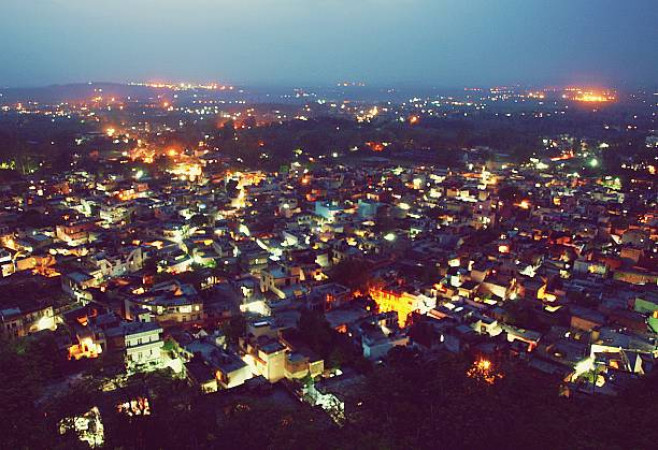
12. Nalagarh
arh is a town and a municipal committee in Solan district in the Indian state of Himachal Pradesh.
Nalagarh is located at . It has an average elevation of 1,122 metres (3,681 feet). India census, Nalagarh had a population of 16,711. Males constitute 53% of the population and females 47%. Nalagarh has an average literacy rate of 81%, higher than the national average of 59.5%: male literacy is 85%, and female literacy is 76%. In Nalagarh, 12% of the population is under 6 years of age.
Nalagarh is well known for the fort which is situated on a hillock. The fort was built by Raja Bhupinder Singh of the Patiala dynasty in the early nineteenth century.
The fort is now a popular tourist spot. It has a commanding view of the surrounding countryside. The fort is also known for its museum which has a collection of arms and armour.
There is also a small temple dedicated to the goddess Durga.
The fort and the museum are open from 9am to 5pm.
Nalagarh is well connected by road to the important towns and cities in Himachal Pradesh.
The nearest railway station is at Solan, which is about 9 km away.
The nearest airport is at Chandigarh, which is about 70 km
Read More
Best Time to Visit :
View Packages 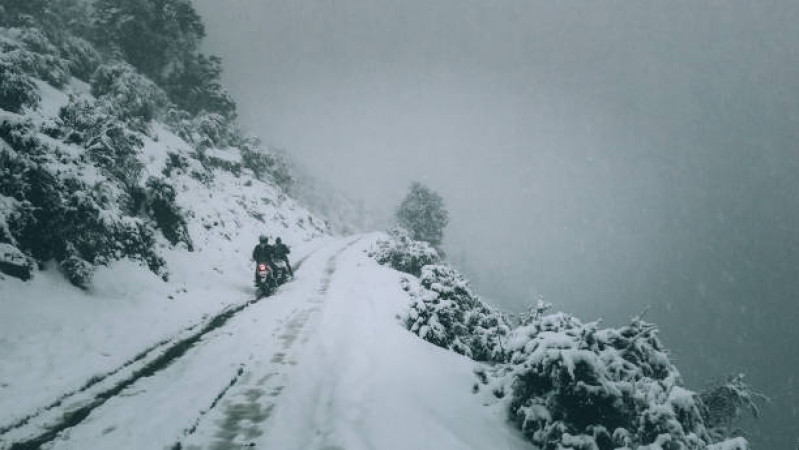
13. Palampur
Palampur is a hill station located in the Kangra district of Himachal Pradesh, India. It is situated on the Dhauladhar range of the Himalayas, about 15 km from the district headquarters of Kangra. The town is known for its tea plantations and the temples nearby. Palampur is a small town in Himachal Pradesh, India, located in the Kangra district on the Dhauladhar range of the Himalayas. It is a popular tourist destination, known for its tea plantations and temples. The nearest major city is Dharamsala, about 50 km away. The town is connected to the rest of India by road and rail. The nearest airport is at Gaggal, about 20 km away. Palampur is a small town, with a population of about 25,000. The people of the town are mainly engaged in agriculture and tourism. The town has a number of tea plantations, which are a major source of income for the people of the town. The town is also home to a number of temples, including the Brajeshwari Devi Temple, the Jwalamukhi Temple, and the Chamunda Devi Temple. The town is also home to a number of educational institutions, including the Palampur Campus of the Himachal Pradesh University.
Read More
Best Time to Visit :
View Packages 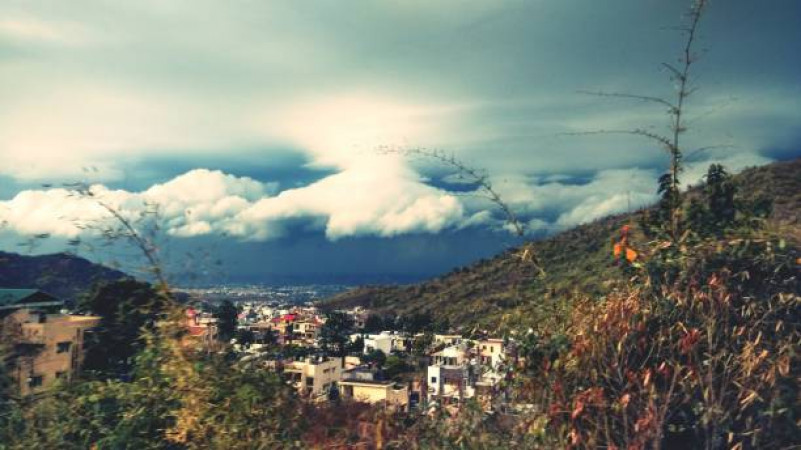
14. Parwanoo
noo is a small hill station in Himachal Pradesh, India. It is located in Solan district, on the foothills of the Himalayas. It is a popular tourist destination, with many visitors coming to enjoy the cooler climate during the summer. The town is also known for its apple orch
Read More
Best Time to Visit :
View Packages 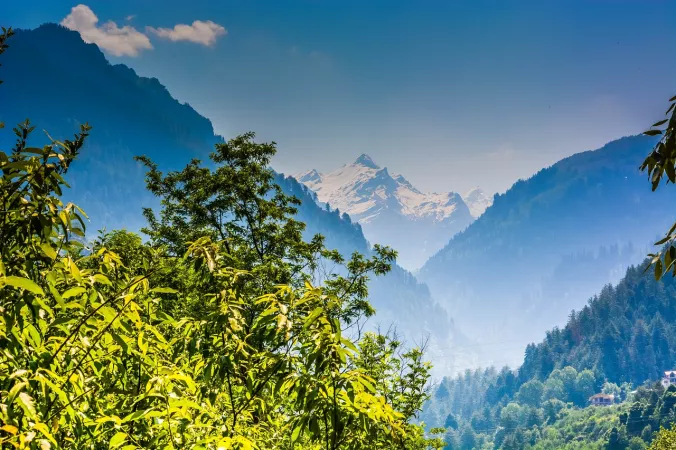
15. Shimla
Shimla, the capital of Himachal Pradesh, is a picturesque town located in the Himalayan foothills. It is known for its colonial architecture, natural surroundings, and temples. Shimla is a popular tourist destination, and hosts many festivals throughout the year.
The town of Shimla was founded in 1819 by Captain Charles Pratt Kennedy of the British East India Company. He named it after his wife, Shimla Kennedy. Shimla rapidly grew in size and importance, and by 1864 it was the capital of the Punjab. When the British Raj was divided in 1947, Shimla became the capital of the newly created state of Himachal Pradesh.
Shimla is a well-known tourist destination, and attracts visitors from all over the world. The town is known for its colonial architecture, which is found in many of the buildings in the main bazaar area. Shimla is also surrounded by some of the most beautiful natural scenery in the world, with forests, mountains, and rivers all nearby. There are also many temples in the town, including the famous Jakhu Temple. In fact, Shimla is often referred to as “India’s Switzerland” because of its unique location at the foothills of the Himalayas.
Shimla hosts many festivals throughout the year. The most famous is the Shimla Summer Festival, which takes place in the month of June. The festival features music and dance performances, as well as a variety of traditional Himachali food. Other festivals in Shimla include the Dusshera Festival in October and the Christmas Festival in December.
Shimla is a charming town with a rich history. It is a popular tourist destination for people from all over the world, who come to enjoy its colonial architecture, natural scenery, and festive atmosphere.
In the early 1900s, Shimla was home to many famous people such as Rudyard Kipling, who wrote his novel Kim while living there. He described Shimla as being “The most beautiful place in the world.”
Culture of Shimla
The culture of Shimla is a mix of various cultures of India. The city has a rich colonial heritage, which is reflected in the culture of the people living there. The people of Shimla are known for their warm hospitality and love for food. The food of Shimla is a mix of Indian and British cuisine. Some of the popular dishes of Shimla are Momos, Thukpa, Chowmein, and Fish and Chips.
The culture of Shimla is also reflected in its music and dance. The folk music of Shimla is very popular and is sung by the people of the region. The dance of Shimla is known as the Shimla Tanthi and is very popular among the locals. The culture of Shimla is also reflected in its art and handicrafts. The art of Shimla is known for its intricate carvings and paintings. The handicrafts of Shimla are made from wood, metal, and stone. Some of the popular handicrafts of Shimla are wooden toys, metal utensils, and stone carvings.
The culture of Shimla is a mix of various cultures of India and is very popular among the people of Himachal Pradesh. The city is known for its colonial era buildings, natural beauty, and the culture of the people of Himachal Pradesh.
People of Shimla
The people of Shimla are a mix of cultures and religions. The town is a melting pot of different cultures, with people from all over the country coming to live and work here. This is what makes Shimla so special – it is a place where people from all walks of life can come and share their experiences and cultures. Shimla is also a very religious town, with a large Hindu and Muslim population. This mix of cultures and religions often leads to interesting and unique experiences. One of the best examples of this is the annual Dusshera festival, which is celebrated by both Hindus and Muslims.
The people of Shimla are also known for their warmth and hospitality. Visitors to the town are often surprised by the friendliness of the locals. This is one of the things that makes Shimla such a popular tourist destination.
The people of Shimla are a unique and interesting bunch, and it is this mix of cultures and religions that makes the town so special. If you are ever in the area, be sure to stop by and say hello – you won’t be disappointed.
Best time to visit Shimla
The best time to visit Shimla is from April to June and September to November when the weather is cool and pleasant. The city is crowded during the peak season from December to March.
Best Places to Visit in Shimla
1. The Ridge: The Ridge is the central promenade in Shimla. It is a popular spot for tourists and locals alike and offers beautiful views of the surrounding mountains. The Ridge is home to several historical buildings, including the Christ Church and the Town Hall.
2. The Mall: The Mall is a popular shopping district in Shimla. It is home to a variety of shops, restaurants, and bars. The Mall is also home to the Gaiety Theater and the Scandal Point.
3. Shimla State Museum: The Shimla State Museum is located on the Ridge and is home to a variety of exhibits on the history and culture of Himachal Pradesh.
4. Jakhu Temple: The Jakhu Temple is a Hindu temple located on a hilltop in Shimla. It offers beautiful views of the city and the surrounding mountains.
5. Tara Devi Temple: The Tara Devi Temple is a Hindu temple located on a hilltop near Shimla. It offers beautiful views of the city and the surrounding mountains.
6. Christ Church: The Christ Church is a Anglican church located on the Ridge in Shimla. It is one of the oldest churches in India and offers beautiful views of the city.
7. Shimla Park: Shimla Park is a public park located in the heart of the city. It is a popular spot for locals and offers a variety of recreational activities.
8. Annandale: Annandale is a popular picnic spot located in the Shimla Hills. It offers beautiful views of the city and the surrounding mountains.
9. The Kalka-Shimla Railway: The Kalka-Shimla Railway is a UNESCO World Heritage Site and is one of the oldest mountain railways in the world. It offers beautiful views of the Himalayas and the Shimla Hills.
10. Shimla Tourist Bungalows: Shimla Tourist Bungalows are a series of bungalows located in the Shimla Hills. They offer beautiful views of the city and the surrounding mountains.
Read More
Best Time to Visit :
View Packages 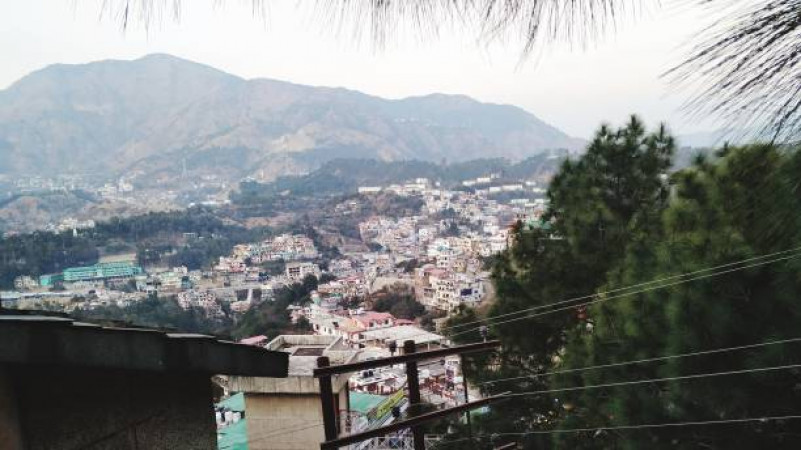
16. Solan
is a city located in the state of Himachal Pradesh, in India. It is a small city, with a population of around 50,000 people. The city is known for its natural scenery and its temples.
Solan is a great place to visit if you are interested in nature and temples. The city is located in the middle of the Himalayas, and is surrounded by beautiful mountains and forests. There are also a number of temples in the city, which are worth visiting if you are interested in Indian culture.
If you are looking for some outdoor activities, Solan is a great place to visit. There are a number of hiking trails in the area, and the city is also close to a few popular skiing res
Read More
Best Time to Visit :
View Packages 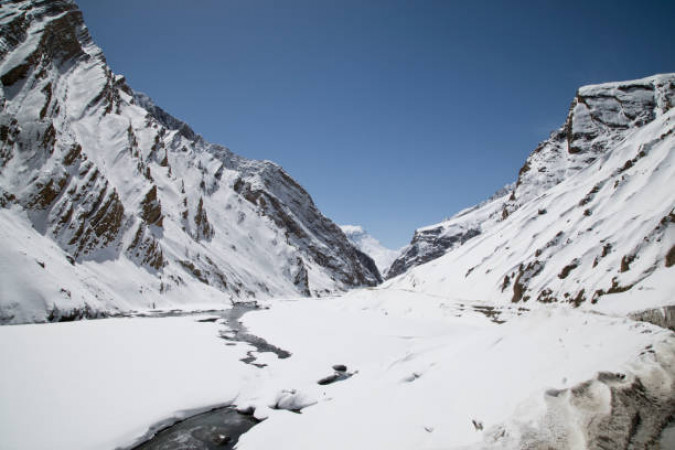
17. Spiti Valley
The Spiti Valley is a high-altitude Himalayan valley in the north-eastern part of the Indian state of Himachal Pradesh. The name "Spiti" means "White Moon" in the local language. It is one of the most isolated regions of India and is still largely untouched by modern civilization.
It is located in the Spiti district, and is one of the most isolated and sparsely populated regions of India. The valley is about 250 km (160 mi) long, and is bounded by the Kunlun mountain range to the north, the Ladakh range to the west and the main Himalayan range to the south. The valley has a population of about 10,000 people, most of whom are ethnically Tibetan.
The Spiti Valley is a popular tourist destination, and is known for its scenery, monasteries and high-altitude lakes. The valley is also noted for its wildlife, including the snow leopard, the Tibetan wolf, the brown bear and the Asiatic ibex.
The Spiti Valley was formed about 10 million years ago as a result of tectonic activity. The valley is a catchment area for the Sutlej and the Spiti rivers, which originate in the glaciers of the Kunlun and Ladakh ranges. The valley is home to a number of glaciers, including the Chandra, Spiti and Dhankar. The main settlements in the valley are the towns of Ki, Kaza, Tabo and Dhankar.
The Spiti Valley is a popular tourist destination, and is known for its scenery, monasteries and high-altitude lakes. The valley is also noted for its wildlife, including the snow
leopard, the Tibetan wolf, the brown bear and the Asiatic ibex.
History of Spiti Valley
The Spiti Valley is located high in the Himalayas, in the north-eastern part of the Indian state of Himachal Pradesh. The valley is about 150 km long and wide, and the altitude varies from about 2,600 to 4,500 meters. The valley is enclosed by the Kunlun and the Greater Himalayas mountain ranges. The Spiti River flows through the valley, from east to west. The valley is very sparsely populated, with a population density of only two persons per square kilometer.
The Spiti Valley has a long and rich history. It is said that the valley was first inhabited by the Monpas, a Tibetan people. The first known dynasty to rule the valley was the Trakpa Dynasty, who ruled from the 8th to the 10th century. The Trakpas were followed by the Kyongnos Dynasty, who ruled from the 10th to the 13th century. The Kyongnos were in turn followed by the Sakya Dynasty, who ruled from the 13th to the 17th century. In the 18th century, the Spiti Valley came under the control of the Qing Dynasty of China. In 1884, the valley was transferred to the British Raj.
The British Raj ruled the valley until India's independence in 1947. After independence, the Spiti Valley was merged with the Indian state of Himachal Pradesh. The Spiti Valley is now a district of Himachal Pradesh. The Spiti Valley is a popular tourist destination, with visitors coming to enjoy the natural beauty of the valley and the Tibetan culture of the local people. The valley is also home to a number of Buddhist monasteries, including the famous Tabo Monastery.
Culture of Spiti Valley
The culture of Spiti valley is one of the most unique in the world. It is a blend of Tibetan and Indian culture, with a strong focus on religion and tradition. One of the most important aspects of Spiti culture is the yak. The yak is a key part of the farming and herding culture of the valley, and is used for transportation, milk, meat and wool.
Another important part of Spiti culture is the monasteries. There are dozens of monasteries in the valley and they are an important part of the religious and cultural life of the people. Many of the monasteries are centuries old, and are home to priceless works of art and religious relics.
Perhaps the most unique aspect of Spiti culture is the way in which it has preserved its traditional way of life in the face of modernization. Despite the increasing influence of the outside world, the people of Spiti valley have largely managed to keep their traditional culture intact. This is a testament to the strength of their traditions and the importance they place on them.
People of Spiti Valley
The people of Spiti valley are a unique group of people who have adapted to the extreme conditions of the valley. The valley is located in the north-eastern part of Himachal Pradesh, India and is one of the most remote areas in the country. The people of the valley are of Tibetan descent and have been living in the area for centuries.
The people of the valley are known for their hard working nature and their ability to adapt to the difficult conditions of the valley. The valley is located at an altitude of over 10,000 feet and the winters are extremely cold. The summers are also very hot and the temperatures can reach up to 45 degrees Celsius. The people of the valley are used to the extreme conditions and are able to survive in the difficult environment.
The people of the valley are known for their strong culture and their unique way of life. They are a close-knit community and are known for their hospitality. The people of the valley are also known for their art and culture. The valley is home to some of the best artists in the country and the art of the valley is renowned for its beauty and simplicity. The locals are known for their warm and welcoming nature and are always happy to share a cup of tea or a meal with visitors.
The Spiti Valley is definitely a place worth visiting and the people are some of the warmest and friendliest you will ever meet.
Best time to visit Spiti Valley
Best time to visit Spiti valley is during the months of May to September. The weather is pleasant and the landscapes are at their best during these months. The monsoon season in July and August can be a bit wet and chilly, but it's definitely worth a visit if you're looking for a quieter and more authentic experience of the valley.
Top places to visit in Spiti Valley
Spiti Valley is one of the most beautiful and serene places in Himachal Pradesh. It is located in the eastern part of the state and is known for its pristine natural beauty, snow-capped mountains, and lovely monasteries. If you are looking for someplace off the beaten path to visit in Himachal Pradesh, then Spiti Valley is definitely the place for you! Here are some of the top places to visit in Spiti Valley:
1. Kaza: Kaza is the administrative center of Spiti Valley and is home to some of the most beautiful monasteries in the region. It is a great place to relax and soak in the natural beauty of the valley.
2. Key Monastery: Key Monastery is one of the most important monasteries in Spiti Valley and is a major pilgrimage site for Buddhists. The monastery is located on a hilltop and offers stunning views of the valley below.
3. Pin Valley National Park: Pin Valley National Park is a beautiful park that is home to a variety of wildlife, including snow leopards, ibex, and Marco Polo sheep. The park is also home to a number of monasteries, which are worth a visit.
4. Chandratal Lake: Chandratal Lake is a beautiful alpine lake that is located at an altitude of 4,300 meters. It is a popular spot for trekkers and is home to a variety of wildlife.
5. Komic: Komic is a small village located at an altitude of 4,587 meters. It is the highest village in the world and is home to a number of monasteries. It is a great place to experience the traditional culture of Spiti Valley.
Travel tips to visit Spiti Valley
Spiti Valley is one of the most beautiful and adventurous places in Himachal Pradesh. If you are looking for some travel tips to visit Spiti Valley, then you are at the right place.
1. Plan your trip well in advance.
2. Make sure you have all the necessary documents like passport, visa, etc.
3. Book your accommodation and transportation in advance.
4. Carry enough cash as there are no ATMs in Spiti Valley.
5. Make sure your vehicle is in good condition and is equipped with all the necessary supplies like water, food, etc.
6. Carry warm clothes as the temperature in Spiti Valley can go down to sub-zero levels.
7. Always stay safe and be aware of the surroundings.
8. Enjoy the beauty of this serene place and have a memorable trip.
Read More
Best Time to Visit :
View Packages 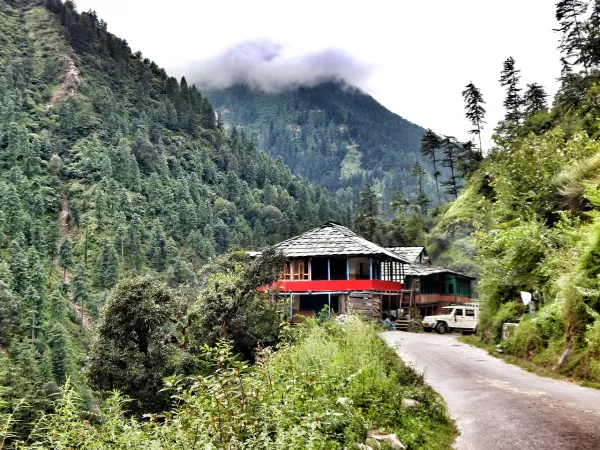
18. Tirthan Valley
Location: The Tirthan Valley is located in the state of Himachal Pradesh in north-western India. Best time to visit: The best time to visit the Tirthan Valley is during the summer months of April to June, when the weather is warm and sunny. Things to do: Some of the things to do in the Tirthan Valley include hiking, camping, fishing, and white water rafting.
Read More
Best Time to Visit :
View Packages 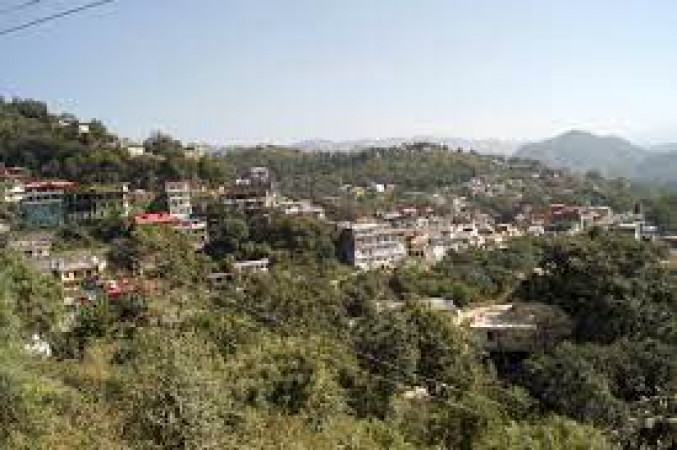
19. Arki
sas (AR) is a state located in the Southern United States. Its name is of Siouan derivation, denoting the Quapaw Indians. Arkansas shares a border with six other states, including Tennessee to the north, Missouri to the east, Oklahoma to the south, Texas to the southwest, and Louisiana to the west. The state is bisected by the Arkansas River.
The landscape of Arkansas is diverse, ranging from the mountainous regions of the Ozarks and the Ouachita Mountains, to the rolling plains of the Arkansas River Valley. The state's eastern two-thirds are covered by the forested Ouachita Mountains and the western third by the rugged Ozarks. Arkansas's diverse geography also produces a variety of soils, from the sandy soils of the Gulf Coastal Plain to the clay soils of the Ouachita Mountains.
Arkansas is home to many of the United States' oldest and most impressive civil engineering feats. The state is crossed by the Arkansas River, which was used as a transportation route by early explorers and settlers. Many of the state's bridges and dams were constructed in the early twentieth century by the Civilian Conservation Corps (CCC), including the Bull Shoals Dam and the McClellan-Kerr Arkansas River Navigation System.
Arkansas's economy is based largely on agriculture, forestry, and tourism. The state's agricultural sector produces poultry, cattle, soybeans, and rice. The state's forestry sector produces lumber and paper products. The state's tourism sector is based largely on its natural resources, including its many rivers and lakes, as well as its mountain scenery and recreational opportuni
Read More
Best Time to Visit :
View Packages 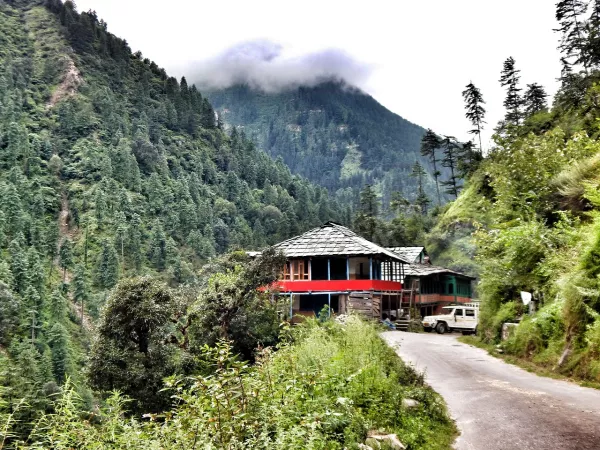
20. Nahan
Nahan is a small town and a municipal council in Sirmaur district in the Indian state of Himachal Pradesh. It is the district headquarters. Nahan is located at . It has an average elevation of 1,362 metres (4,468 feet). India census, Nahan had a population of 24,813. Males constitute 52% of the population and females 48%. Nahan has an average literacy rate of 73%, higher than the national average of 59.5%: male literacy is 79%, and female literacy is 67%. In Nahan, 13% of the population is under 6 years of age. Nahan is a small town located in the Sirmaur district of Himachal Pradesh. The town is the district headquarters and is situated at an average elevation of 1,362 metres (4,468 feet). Nahan is well known for its scenic beauty and has many tourist attractions such as the Nahan Palace, the Nahan Fort, and the Trilokpur Temple. The town also has a number of educational institutions and is an important commercial center in the region.
Read More
Best Time to Visit :
View Packages 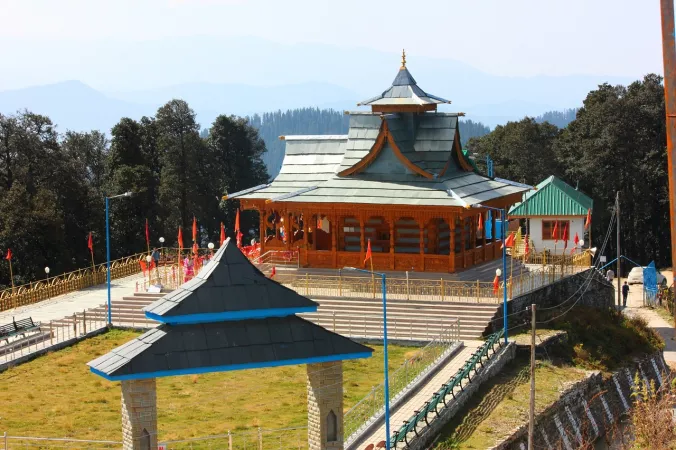
21. Narkanda
Narkanda is a small town in Himachal Pradesh, India. It is located in the Shimla district at an altitude of 2,700 metres (8,858 feet). Narkanda is known for its skiing and winter sports facilities. The town is also a popular destination for trekking and sightseeing. The nearest airport is at Jubbarhatti, which is about 50 kilometres (31 miles) from Narkanda. The nearest railway station is at Kalka, which is about 95 kilometres (59 miles) from Narkanda.
Read More
Best Time to Visit :
View Packages Help & Support
Call Us Now
+91-8069145442