Here's a list of 17 Best Places to visit in Rajasthan

1. Ajmer
f
Ajmer Sharif is a city in the Indian state of Rajasthan. It is the administrative headquarters of Ajmer District. Ajmer Sharif is located 146 kilometres west of the state capital Jaipur.
Ajmer Sharif is a center of Islamic pilgrimage in India. It is the second most important Muslim shrine in India, after the Babri Mosque in Ayodhya. Millions of pilgrims visit Ajmer Sharif every year.
The shrine of Khwaja Moinuddin Chishti in Ajmer Sharif is one of the most important Sufi shrines in the world.
Ajmer Sharif was founded by the Muslim general and governor of Multan, Qutbuddin Aibak, in the late 12th century.
Ajmer Sharif is home to the Dargah of Khwaja Moinuddin Chishti, a venerated Sufi saint.
The Dargah of Khwaja Moinuddin Chishti is a UNESCO World Heritage Site.
Ajmer Sharif is a center of Islamic learning in India. The Ajmer Sharif University is a prominent Muslim educational institution in the city.
Ajmer Sharif is a major tourist destination in Rajasthan. The city is home to several tourist attractions, including the Dargah of Khwaja Moinuddin Chishti, the Anasagar Lake, the Mayo College, and the Adhai Din Ka Jho
Read More
Best Time to Visit :
View Packages 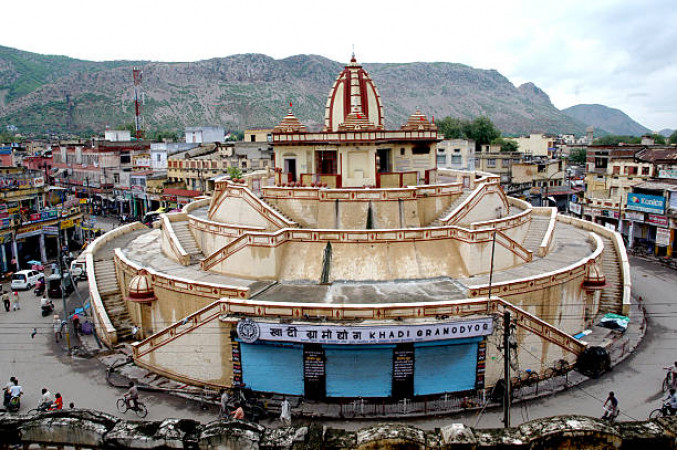
4. Bundi
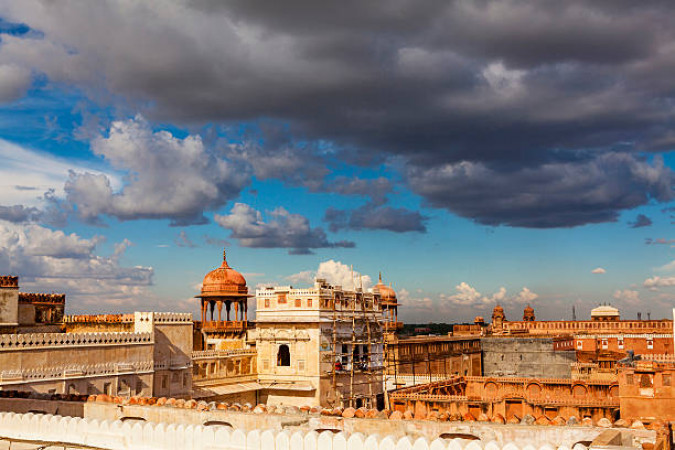
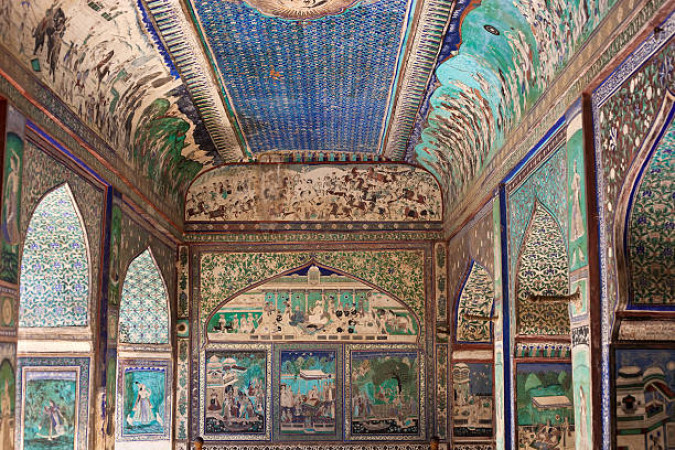
is a town in Rajasthan, India. It is the administrative headquarters of Bundi district. The town is situated on a hill, and has an elevation of 496 metres (1,621 ft). The town is known for its fortifications, palaces, and temples.
The town is first mentioned in a 9th-century copper plate inscription of the Gurjara-Pratihara king Nagabhata I. Bundi was the capital of the kingdom of Bundi. The Bundi dynasty was founded by Rana Sanga, the son of Rana Hammir of Chittor. The town was the scene of a battle between the Mughals and the Marathas in 1727.
Bundi is located at . It has an average elevation of 496 metres (1,621 ft).
According to the 2011 census Bundi has a population of 101,739, out of which males constitute 53,821 and females 47,918. Bundi has an average literacy rate of 73.74%, higher than the national average of 59.5%: male literacy is 81.21%, and female literacy is 65.14%. In Bundi, 14% of the population is under 6 years of age.
Bundi is a popular tourist destination. The town is known for its fortifications, palaces, and temples.
The Taragarh Fort is located on a hill overlooking the town. The fort was built in the 14th century, and was rebuilt in the 17th century. The fort is now a museum.
The Bundi Palace is located in the town. The palace was built in the 17th century, and is now a museum.
The Chitrakoot Falls are located about 25 kilometres (16 mi) from the town. The falls are a popular tourist destination.
The Hinglaj Mata Temple is lo
Read More
Best Time to Visit :
View Packages 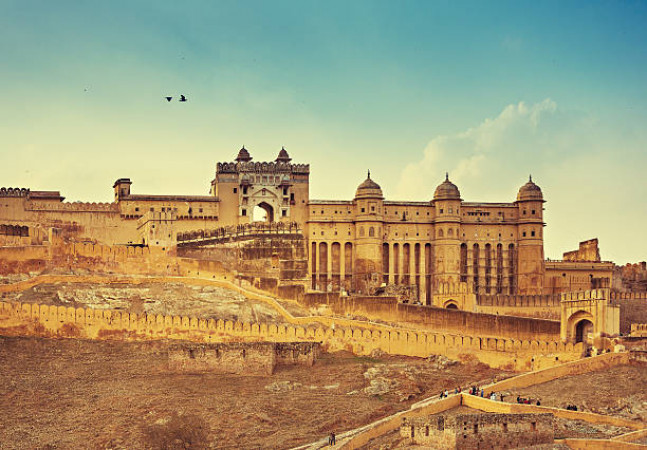
5. Jaipur
Jaipur is the capital and the largest city of Rajasthan. It was founded on 18 November 1727 by Maharaja Sawai Jai Singh II, the ruler of Amber. Jaipur is nicknamed the "Pink City" because of the extensive use of the color pink in its construction. The city of Jaipur is a blend of the old and new. The old city is characterized by narrow streets, small shops and colorful houses. The new city is characterized by wide streets, large shopping malls and modern architecture. Jaipur is a popular tourist destination and is home to several tourist attractions, including the City Palace, the Hawa Mahal, the Jantar Mantar and the Amer Fort. Jaipur is also home to a large number of educational institutions, including the University of Rajasthan, the largest university in the state of Rajasthan.
History of Jaipur
Maharaja Jai Singh decided to shift his capital from Amber to Jaipur due to the availability of water from the river. The city was founded on the principles of Vastu Shastra, the ancient Indian architecture. The city was built by Maharaja Jai Singh II in the form of a fort. He employed the help of a French architect, Vidyadhar Bhattacharya, to design the city. The city was divided into nine blocks, two of which were for the royal family and the remaining seven for the public.
The city was built with a series of walls and fortifications. The city was painted a deep pink to welcome the Prince of Wales, later Edward VII, in 1876. Many of the buildings and structures in the old city are painted in pink and many of the new structures are also painted in shades of pink. Jaipur is one of the most important tourist destinations
in India. It is home to some of the most notable tourist attractions in India, including the Hawa Mahal, Amer Fort, Jal Mahal, City Palace, and Jantar Mantar.
The Jantar Mantar was built in 1727 by Maharaja Jai Singh II. It is an astronomical observatory, made up of a series of stone structures.
Culture of Jaipur
Jaipur, the capital of Rajasthan, is one of the most colourful and vibrant cities in India. The culture of Jaipur is a blend of traditional and modern elements.
The traditional culture of Jaipur is based on the principles of Rajput culture. Rajputs are a warrior group who ruled over Rajasthan for many centuries. The culture of Rajputs is based on honour, bravery, and chivalry. The women of Rajput families are known for their grace and beauty.
The modern culture of Jaipur is based on the values of democracy and secularism. Jaipur is a progressive city and its people are open-minded and forward-looking. The city has a strong industrial base and is known for its handicrafts, jewellery, and textiles.
The culture of Jaipur is lively and the people of Jaipur are warm and hospitable. They are known for their love of food, music, and dance. Jaipur is a city that is constantly in motion and its people are always looking for new experiences.
People of Jaipur
The people of Jaipur are known for their warm hospitality and for their love of art and culture. The city is home to some of the most talented artisans and craftsmen in India. The people of Jaipur are also known for their entrepreneurship and for their love of business. The city is home to a large number of entrepreneurs, and the city's business community is one of the most prosperous in India.
The people of Jaipur are also known for their love of food. The city is home to some of the best restaurants in India, and the city's culinary traditions are renowned throughout the country. The people of Jaipur are also known for their love of music and for their passion for dance.
The city is known for a large number of dance troupes, and the city's traditional dances are some of the most popular in India. Jaipur is also home to a large number of musicians, and the city's music scene is one of the most vibrant in the country.
Best time to visit Jaipur
The best time to visit Jaipur is from October to March. The weather is pleasant during this time and the tourist attractions are less crowded. However, Jaipur is a popular destination all year round and there is something to do and see in the city at any time of the year.
Best places to visit in Jaipur
1. The Amber Fort: The Amber Fort, located on the outskirts of Jaipur, is a major tourist attraction. The fort was built in the 16th century by Maharaja Man Singh I.
2. The City Palace: The City Palace, located in the heart of Jaipur, is a magnificent palace complex. The complex was built by Maharaja Jai Singh II in the 17th century.
3. The Hawa Mahal: The Hawa Mahal, meaning "Palace of Winds", is a beautiful pink palace located in the heart of Jaipur. The palace was built in 1799 by Maharaja Sawai Pratap Singh.
4. The Jantar Mantar: The Jantar Mantar, located in the heart of Jaipur, is an astronomical observatory built by Maharaja Jai Singh II in the 18th century.
5. The Jaigarh Fort: The Jaigarh Fort, located on the outskirts of Jaipur, is a magnificent fort built by Maharaja Jai Singh II in the 17th century.
6. The Birla Temple: The Birla Temple is a Hindu temple built in 1988. It is dedicated to Lakshmi, the goddess of wealth.
7. The Galtaji Temple: The Galtaji Temple is a Hindu temple located in the Jaipur city limits. It is dedicated to Galtaji, a Hindu deity.
8. The Rambagh Palace is a former palace that is now a hotel. It was built in 1835 by Maharaja Man Singh II.
9. The Nahargarh Fort is a fort built in 1734 by Maharaja Jai Singh II. The fort is located on a hilltop, and offers a view of the city of Jaipur.
Read More
Best Time to Visit :
View Packages 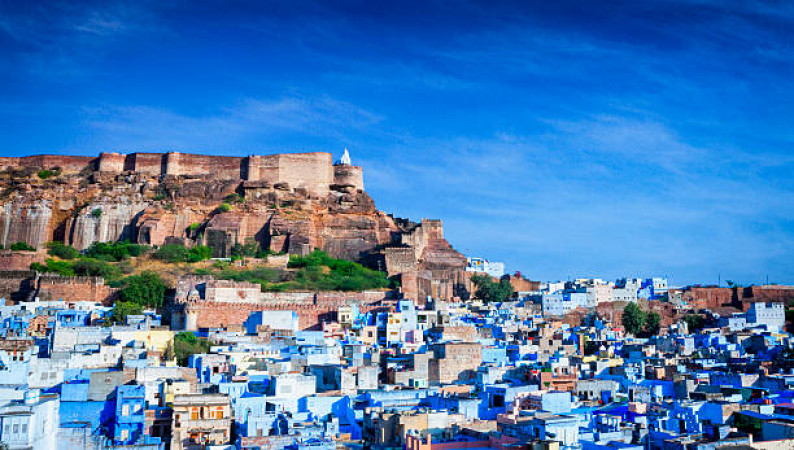
6. Jodhpur
The blue city of Jodhpur is one of the most beautiful places in Rajasthan. It is known for its blue houses, which give the city its name. The city is also home to the Mehrangarh Fort, one of the most impressive forts in India.
The fort is located on a high hill overlooking the city. It was built in 1459 by Rao Jodha, the founder of Jodhpur. The fort is huge and houses a number of palaces, courtyards and temples.
The city of Jodhpur is also known for its markets. The Sadar Bazaar is the busiest market in the city and is a great place to buy souvenirs. The market is full of colourful stalls selling everything from handicrafts to spices.
Jodhpur is a great place to visit if you want to experience the traditional culture of Rajasthan. The people of Jodhpur are very friendly and welcoming and the city has a relaxed and laid-back atmosphere. Jodhpur is a city of contrasts. It is a city of ancient forts and modern skyscrapers. It is a city of luxury hotels and humble villages. It is a city of peace and violence. It is a city of contradictions, and it is a city that is full of surprises and never fails to fascinate the tourists.
History of Jodhpur
Jodhpur, the second largest city in the Indian state of Rajasthan, is the former capital of the Marwar kingdom. The city is also known as the Blue City, due to the blue-painted houses around the Mehrangarh Fort.
The history of Jodhpur is one of the most colourful in the world. The city was founded in 1459 by Rao Jodha, a Rajput chief of the Rathore clan. He had migrated from the present day Jodhpur to the area around Mandore, 12 km (7.5 mi) to the north. Here, he founded the state of Marwar.
Jodhpur was the site of a number of battles between the Mughals and the Rajputs. In 1538, the Mughal emperor Humayun was defeated by the Rajput chief Rana Sangha. In 1586, Akbar, the Mughal emperor, won a battle against the Rajputs at the Battle of Haldighati.
In 1707, the Mughal emperor Aurangzeb defeated the Rajputs at the Battle of Jodhpur. However, the Marwar kingdom remained independent.
In 1818, Jodhpur came under the control of the British East India Company. In 1858, the British Raj was established in India, and Jodhpur became a princely state.
The Jodhpur palace, also known as the Mehrangarh Fort, is one of the most impressive in India. It was built in 1459 by Rao Jodha. The fort is perched on a hilltop, and is surrounded by a wall that is up to 36 meters (118 feet) high.
The city is also a popular destination for tourists, who come to enjoy the colorful culture and the impressive historical monuments.
Culture of Jodhpur
Jodhpur, the second largest city in the Indian state of Rajasthan, is renowned for its culture, which is a blend of the traditional and the modern. The city was founded in 1459 by Rao Jodha, a chief of the Rathore clan of the Marwar region. The Rathores were a Hindu clan that ruled Marwar, and Jodhpur became their capital.
Today, Jodhpur is a major tourist destination, and its culture is a major draw for visitors. The old city of Jodhpur is a UNESCO World Heritage Site, and its fort, Mehrangarh, is one of the most impressive in India. The city is also home to a number of temples, including the Karni Mata Temple, which is dedicated to a Hindu goddess and is famous for its rats.
Jodhpur is also known for its handicrafts, including textiles, metalwork, and woodwork. The city's traditional dress is the ghagra choli, a long skirt and blouse worn by women, and the kurta pajama, a loose shirt and trousers worn by men.
Jodhpur's culture is also a mix of the traditional and the modern. The city has a number of modern shopping malls and restaurants, and its people are increasingly adopting the customs and lifestyle of the larger Indian cities. However, Jodhpur still retains its traditional culture, and its people are proud of their heritage.
People of Jodhpur
The people of Jodhpur are an interesting mix of cultures and religions. There is a large Hindu population, as well as a significant Muslim population. This diversity is evident in the variety of food, music, and clothing found in the city. The people of Jodhpur are warm and welcoming. They are known for their hospitality and for their love of food and music. The city is home to many talented musicians and chefs. The food is spicy and flavorful, and the music is energetic and lively.
The people of Jodhpur are proud of their culture and their heritage. They are proud of their city and of the history that it represents.
The people of Jodhpur are a unique and fascinating group of people. They are a proud and patriotic people, and they are a people who are full of life and energy. They are a people who are proud of their culture and their heritage, and they are a people who are always ready to celebrate.
Best time to visit Jodhpur
The best time to visit Jodhpur is between October and March. The weather is cool and pleasant during this time and the tourist attractions are less crowded. April to September is the hot season in Jodhpur and it is best to avoid this time if you don't enjoy the heat.
Places to visit in Jodhpur
If you are planning a visit to Jodhpur, here are the top places that you must not miss:
Mehrangarh Fort: The imposing Mehrangarh Fort is the most popular tourist attraction in Jodhpur. Dating back to the 14th century, the fort is a magnificent structure with imposing walls, ornate palaces and grand courtyards.
Jaswant Thada: This white marble memorial of Maharaja Jaswant Singh II is a popular tourist spot in Jodhpur. The cenotaphs of various Maharajas and their families are worth a visit.
Umaid Bhawan Palace: This splendid palace is one of the largest private residences in the world. It was built in the 1930s and is now a hotel. The palace is famous for its grand architecture and beautiful gardens.
Clock Tower: The Clock Tower is a landmark in the old city of Jodhpur. It was built in the late 19th century and is now a popular tourist spot. The clock tower is a beautiful structure with intricate carvings.
Ghanta Ghar: Ghanta Ghar, or the Clock Tower Square, is a popular market area in the old city of Jodhpur. It is famous for its lively bazaars, where you can buy a variety of souvenirs to take back home.
Mandore Gardens: The Mandore Gardens are a must-visit for any tourist in Jodhpur. These beautiful gardens are home to a variety of historical monuments, including the cenotaphs of the former Maharajas of Jodhpur.
Rao Jodha Desert Rock Park: This beautiful park is located on the outskirts of Jodhpur and is famous for its unique rock formations. The park is a great place to enjoy a nature walk and take some amazing photographs.
Bishnoi Village: The Bishnoi Village is a unique and interesting place to visit in Jodhpur. This village is home to the Bishnoi community, who are famous for their love of nature and conservation of wildlife.
Mandor Palace: The Mandor Palace is a beautiful palace located near the Jodhpur Airport. It is open to the public and is a great place to enjoy a day out with your family.
Sardar Samand Lake: The Sardar Samand Lake is a beautiful artificial lake located near Jodhpur. It is a popular spot for fishing and is also home to a variety of birds and animals.
Read More
Best Time to Visit :
View Packages 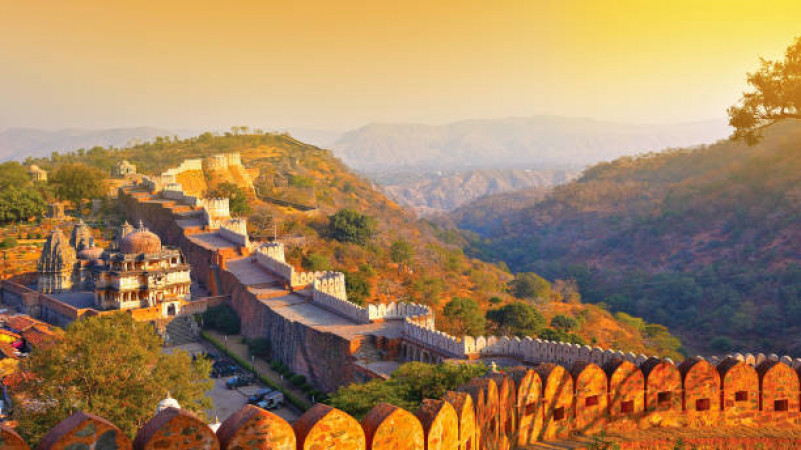
7. Kumbhalgarh
umbhalgarh Fort is a fortress located in the Rajsamand district of Rajasthan, India. The fort is situated 82 km from Udaipur and is built on the Aravalli Range. The fort is a UNESCO World Heritage Site. The fort is also called the "Second Gibraltar of India". The fort is said to be the birthplace of Maharana Pratap, the great king of Mewar.
The Kumbhalgarh Fort was built in the 15th century by Rana Kumbha. The fort is said to be the most impregnable fort in India. The fort is surrounded by a wall that is 36 km long. The wall is said to be the second longest wall in the world after the Great Wall of China. The wall has seven gates. The fort has a number of palaces, temples and water tanks.
The Kumbhalgarh Fort is a popular tourist destination. The fort is home to a number of tourist attractions including the Kumbhalgarh Wildlife Sanctuary, the Kumbhalgarh Fort, the Badal Mahal Palace, the Kumbhalgarh Fort Museum and the Kumbhalgarh Te
Read More
Best Time to Visit :
View Packages 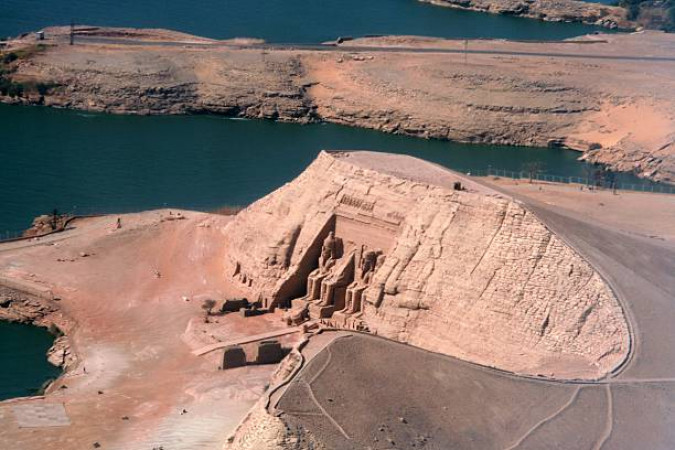
8. Mount Abu
Abu is a hill station and a municipal board in the Rajasthan state in western India. It is located in Sirohi district, about 1,220 metres (4,003 ft) above sea level. It is the only hill station in Rajasthan. Mount Abu is a popular tourist destination and is home to several temples and tourist attract
Read More
Best Time to Visit :
View Packages 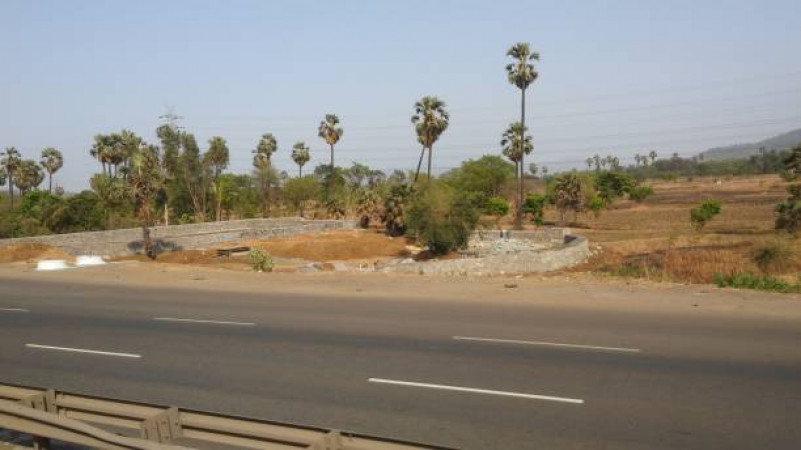
9. Nathdwara
wara, located in Rajasthan, is a Hindu pilgrimage town. The town is located on the banks of the Banas River, and is known for the temple of Sri Nathji, a form of Vishnu.
The temple is said to have been built in the 17th century by Rana Raj Singh of Mewar. The town was originally known as Nagda, but was renamed Nathdwara in the 18th century.
The town is a popular destination for Hindu pilgrims, who come to visit the temple of Sri Nathji. The town is also home to a number of other temples, as well as a number of shops and other businesses catering to the needs of pilgrims.
The town is also home to a number of schools and colleges, including the Sri Nathji Institute of Management and Techno
Read More
Best Time to Visit :
View Packages 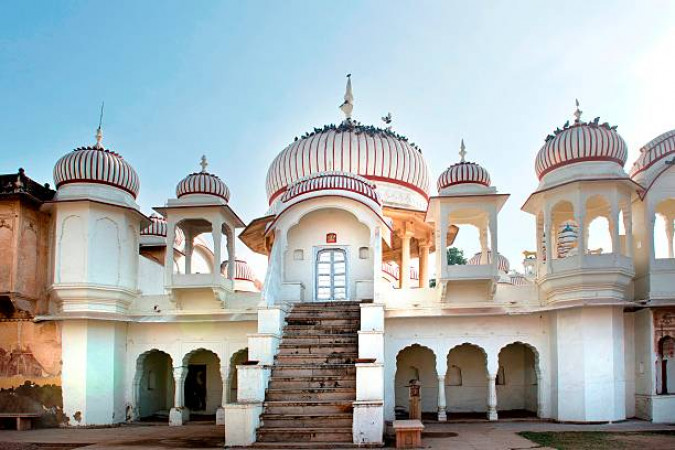
10. Nawalgarh
garh is a small town located in the Jhunjhunu district of Rajasthan. The town is known for its forts, palaces and havelis.
Some of the major tourist attractions in Nawalgarh include the Nawalgarh Fort, the Chirgaon Fort, the Jhunjhunu Palace, the Shekhawati Haveli, and the Bissau Palace.
Nawalgarh is well connected to the other major towns and cities in Rajasthan by road. The nearest railway station is located in Jhunjhunu, which is about 15 km away from Nawalgarh. The nearest airport is located in Jaipur, which is about 130 km away from Nawal
Read More
Best Time to Visit :
View Packages 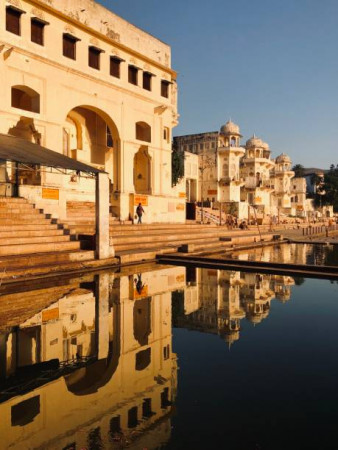
11. Pushkar
ar is a small town in the Ajmer district of Rajasthan, India. It is situated about 11 km west of Ajmer and is one of the oldest and holiest cities in India. It is one of the five sacred dhams (pilgrimage sites) for Hindus.
Pushkar is famous for the Pushkar Lake, which is said to be the only place where Lord Brahma, the creator of the universe, bathes. The 52 bathing ghats (steps leading down to the water) on the lake's edge are said to have been built by the Lord himself.
Pushkar is also home to the only temple in India dedicated to Brahma. The town is a major center of pilgrimage for Hindus and also attracts a large number of tourists from all over the w
Read More
Best Time to Visit :
View Packages 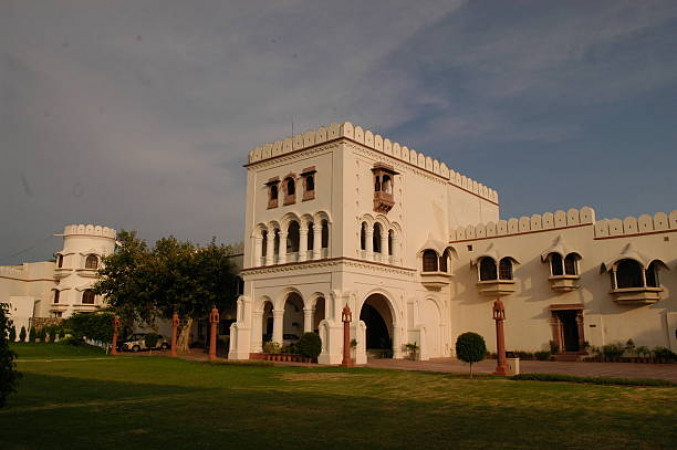
12. Ramgarh
Ramgarh
Ramgarh is a city in the Indian state of Jharkhand. It is the administrative headquarters of Ramgarh district.
Ramgarh is located at . It has an average elevation of 283 metres (928 feet).Ramgarh is an important commercial town in the state and is famous for its leather industry.
Ramgarh is well connected by road and rail network. Ramgarh railway station is the major railway station in the district. Ramgarh airport is located at Ranchi, the state capital.
Tourist places in and around Ramgarh are Hazaribagh National Park, Lohardaga, Betla National Park and Palamu.
Demographics
As of 2001 India census, Ramgarh had a population of 96,711. Males constitute 53% of the population and females 47%. Ramgarh has an average literacy rate of 71%, higher than the national average of 59.5%: male literacy is 78%, and female literacy is 63%. In Ramgarh, 14% of the population is under 6 years of age.
Ramgarh District
Ramgarh district is one of the 24 districts of Jharkhand state, India. The district headquarters are located at Ramgarh.
The district occupies an area of 2,023.39 square kilometres (788.21 sq mi). Ramgarh district is bounded by Chatra district to the north, Hazaribagh district to the east, Palamu district to the south, and Latehar district to the west.
As of 2011 Census of India Ramgarh district had a population of 1,023,719. There were 529,827 males and 493,892 females. Scheduled Castes numbered 128,527 and Scheduled Tribes numbered 256,253.
Ramgarh has a sex rat
Read More
Best Time to Visit :
View Packages 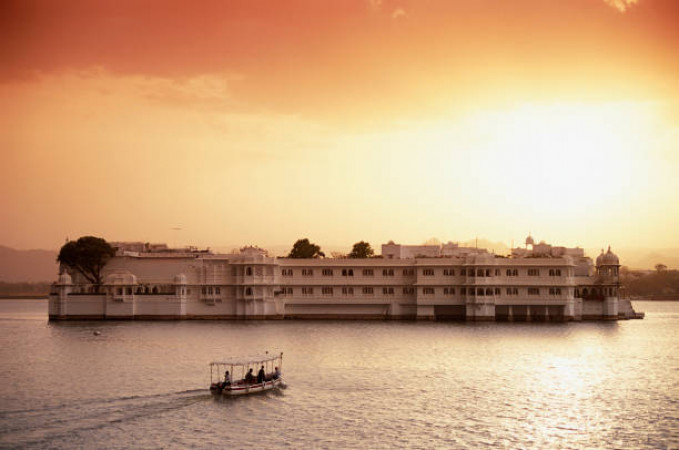
13. Udaipur
Udaipur, also known as the "City of Lakes," is a beautiful city in Rajasthan, India. The city is surrounded by the Aravalli Mountains and is famous for its stunning palaces, lakes, and rich cultural heritage.
One of the main attractions of Udaipur is the Lake Palace, located on the Jag Niwas Island in the middle of Lake Pichola. The palace was built in the 18th century and is now a luxury hotel. It is a stunning sight to behold, especially at sunset when the palace is reflected in the lake's waters.
Another famous palace in Udaipur is the City Palace, which was built in the 16th century. The palace is a blend of Mughal and Rajasthani architecture and has a beautiful collection of paintings, weapons, and artifacts. The palace also offers a breathtaking view of the city and Lake Pichola.
Udaipur is also known for its beautiful gardens, including the Saheliyon ki Bari or the Garden of the Maidens. It was built in the 18th century and features fountains, marble elephants, and beautiful flower beds. The garden is a popular spot for locals and tourists alike to relax and enjoy the tranquil surroundings.
In addition to its natural beauty, Udaipur is also famous for its vibrant culture and festivals. The city celebrates many festivals throughout the year, including the Mewar Festival, which showcases the traditional dance, music, and arts of the region. The festival is a great opportunity for visitors to experience the rich cultural heritage of Udaipur.
The cuisine of Udaipur is also a major draw for food lovers. The city is famous for its mouth-watering street food, including the popular dal-baati-choorma, a traditional Rajasthani dish made with lentils and wheat. The city also has several high-end restaurants that serve a variety of cuisines, including Indian, Chinese, and Continental.
Udaipur is a city that truly offers something for everyone. Whether you are interested in history, culture, or natural beauty, this city has it all. With its stunning palaces, serene lakes, and rich cultural heritage, Udaipur is a must-visit destination for anyone traveling to India.
History
Udaipur, also known as the "City of Lakes," has a rich and vibrant history that spans over centuries. The city was founded in 1559 by Maharana Udai Singh II of the Sisodia Rajput family, after he was forced to leave his previous capital of Chittorgarh due to repeated attacks by Mughal emperor Akbar.
The city was strategically located on the banks of Lake Pichola, surrounded by the Aravalli Mountains, making it a natural fortress. Maharana Udai Singh II ordered the construction of a palace on a hill overlooking the lake, which later became known as the City Palace.
During the 16th and 17th centuries, Udaipur flourished under the rule of the Sisodia Rajput family. The rulers of Udaipur were great patrons of art and architecture, and they built several stunning palaces and monuments in the city, including the Lake Palace and Jag Mandir, both located in Lake Pichola.
Udaipur also played an important role in the history of Rajasthan during the Mughal era. The city was repeatedly attacked by the Mughals, but the Rajput rulers of Udaipur fiercely defended their city and never surrendered to the Mughals.
In the 18th century, Udaipur came under the rule of the British, who recognized the importance of the city's strategic location and made it the capital of the newly formed Mewar state. The city continued to prosper under British rule, and several new buildings and structures were built during this period, including the Fateh Prakash Palace and the Maharana Pratap Airport.
After India gained independence in 1947, Udaipur became a part of the state of Rajasthan. The city continued to grow and develop, and today it is a major tourist destination in India, famous for its stunning palaces, beautiful lakes, and rich cultural heritage.
Overall, the history of Udaipur is a fascinating tale of bravery, resilience, and artistic excellence. From its founding by Maharana Udai Singh II to its modern-day status as a vibrant city, Udaipur has a unique and storied past that is worth exploring for anyone interested in Indian history and culture.
Culture
Udaipur, also known as the "City of Lakes," is not just famous for its stunning palaces and natural beauty but also for its rich cultural heritage. The city has a unique and vibrant culture that reflects the traditions and customs of the Rajasthani people.
One of the most prominent features of the culture of Udaipur is its music and dance. The city has a rich tradition of folk music, with several popular instruments such as the dholak, harmonium, and sarangi. The music is often accompanied by traditional dance forms such as Ghoomar and Kalbeliya, both of which are performed by women wearing colorful and intricate costumes.
Another important aspect of the culture of Udaipur is its cuisine. The city is famous for its mouth-watering street food, including the popular dal-baati-choorma, a traditional Rajasthani dish made with lentils and wheat. The city also has several high-end restaurants that serve a variety of cuisines, including Indian, Chinese, and Continental.
Udaipur is also famous for its festivals, which are celebrated with great enthusiasm and zeal. One of the most popular festivals in Udaipur is the Mewar Festival, which takes place during the month of March or April. The festival showcases the traditional dance, music, and arts of the region and is a great opportunity for visitors to experience the rich cultural heritage of Udaipur.
People of Udaipur
The people of Udaipur are known for their hospitality and warm nature. The city has a rich tradition of welcoming guests with open arms and making them feel at home. This is reflected in the architecture of the city's palaces and buildings, which often feature intricate designs and motifs that symbolize hospitality and warmth.
In addition to its music, dance, cuisine, and festivals, Udaipur is also known for its handicrafts. The city has a thriving industry of handmade products such as pottery, textiles, and leather goods. Visitors can explore the local markets and shops to buy these beautiful and unique products as souvenirs.
Overall, the culture of Udaipur is a rich tapestry of traditions, customs, and practices that reflect the city's unique history and identity. From its music and dance to its cuisine and festivals, Udaipur is a city that celebrates its culture with pride and passion, making it a must-visit destination for anyone interested in experiencing the vibrant culture of Rajasthan.
People
The population of Udaipur is predominantly Rajasthani, with a significant minority of other ethnic groups. The people of Udaipur are known for their strong sense of community and their respect for their elders and traditions. The city has a rich tradition of joint families, where several generations live together under one roof, and they take care of each other.
One of the most striking features of the people of Udaipur is their colorful and vibrant attire. The women in Udaipur wear beautiful and intricate sarees, adorned with vibrant prints and embroidery, while the men wear traditional Rajasthani attire such as dhoti-kurta and turbans. These traditional outfits reflect the city's rich cultural heritage and are still worn with pride by the people of Udaipur.
The people of Udaipur are known for their love of music and dance. The city has a rich tradition of folk music and dance, and several local musicians and artists perform at various festivals and events throughout the year. Music and dance are an integral part of the city's culture and reflect the vibrancy and energy of its people.
Another important aspect of the people of Udaipur is their love of food. The city has a rich culinary heritage, and the people of Udaipur are known for their love of spicy and flavorful food.
The people of Udaipur are also known for their entrepreneurial spirit. The city has a thriving business community, with several small and medium-sized enterprises engaged in various industries such as handicrafts, textiles, and tourism. The city's entrepreneurs are known for their hard work, innovation, and their commitment to creating employment opportunities for the local community.
Overall, the people of Udaipur are the heart and soul of the city. Their warm and welcoming nature, their love of music and dance, their passion for food and culture, and their entrepreneurial spirit make them a unique and vibrant community. Visitors to Udaipur are often struck by the kindness and hospitality of the locals, making it a must-visit destination for anyone looking to experience the warmth and vibrancy of Rajasthani culture.
Best time to visit
The best time to visit Udaipur is between October and March, which is the winter season in India.
Best places to visit
Udaipur, the City of Lakes, is a beautiful city located in the state of Rajasthan, India. The city is famous for its stunning palaces, beautiful lakes, and rich cultural heritage.
Here are the top 10 places to visit in Udaipur:
City Palace: Located on the banks of Lake Pichola, the City Palace is a magnificent complex of palaces, courtyards, and gardens. The palace is a stunning example of Rajasthani architecture and houses a museum that showcases the city's history and heritage.
Lake Pichola: This beautiful lake is one of the most popular tourist attractions in Udaipur. Visitors can take a boat ride on the lake to enjoy the stunning views of the surrounding hills and palaces.
Jagdish Temple: The Jagdish Temple is a beautiful Hindu temple located in the heart of the city. The temple is dedicated to Lord Vishnu and is known for its intricate carvings and beautiful architecture.
Fateh Sagar Lake: Another popular lake in Udaipur, the Fateh Sagar Lake is a beautiful place to relax and enjoy the stunning views of the city.
Saheliyon ki Bari: This beautiful garden is a popular attraction among tourists. The garden is known for its fountains, pools, and lush greenery.
Bagore ki Haveli: This beautiful haveli is now a museum that showcases the traditional Rajasthani lifestyle. Visitors can enjoy a puppet show and traditional dance performance at the haveli.
Monsoon Palace: Located on a hill overlooking the city, the Monsoon Palace is a beautiful palace that offers stunning views of the surrounding hills and lakes.
Shilpgram: This rural arts and crafts village is a great place to explore traditional Rajasthani handicrafts, textiles, and art.
Sajjangarh Wildlife Sanctuary: This beautiful wildlife sanctuary is home to a variety of animals, including tigers, leopards, and deer.
Eklingji Temple: This beautiful temple is dedicated to Lord Shiva and is known for its intricate carvings and beautiful architecture.
In conclusion, Udaipur is a beautiful city that offers a range of attractions for visitors to explore. From stunning palaces and lakes to traditional temples and handicraft villages, Udaipur is a must-visit destination for anyone looking to experience the beauty and culture of Rajasthan.
Read More
Best Time to Visit :
View Packages 
14. Jaisalmer
The city of Jaisalmer is one of the most amazing places on Earth. It is located in the state of Rajasthan, in western India, and is known for its beautiful architecture and stunning location in the middle of the Thar Desert. It is sometimes called the "Golden City" because of the color of its buildings. The city is built on a ridge of sandstone and is surrounded by the Thar Desert.
The city was founded in 1156 by Jaisal, a Rajput ruler, and it soon became an important center of trade and commerce. The city's fortifications and citadel are some of the best preserved in all of India, and the Jaisalmer Fort is a UNESCO World Heritage Site. The city is a popular tourist destination and is known for its fort, palaces, and temples. The fort is located on a hilltop and is made of yellow sandstone. The palaces and temples are also made of sandstone and are decorated with carvings and paintings.
The city is also known for its handicrafts, such as jewelry, carpets, and textiles. Jaisalmer is a popular place to buy souvenirs. The people of Jaisalmer are known for their hospitality. The city is a popular place to stay while exploring the desert. The city's location in the middle of the desert makes it a popular destination for tourists who want to experience the beauty and tranquility of the desert. Jaisalmer is also a popular destination for those who want to see the traditional culture of India. The people of Jaisalmer are friendly and welcoming, and the city is a great place to experience the culture and beauty of India.
History of Jaisalmer
The city of Jaisalmer is located in the state of Rajasthan, in western India. It is situated in the heart of the Thar Desert. The city was founded by Raja Jaisal in 1156 AD. The city was an important center of the ancient caravan trade. It is said that the city was named after Jaisal, the founder. The city is also known as the "Golden City" because of the yellow sandstone used in its construction.
The city is surrounded by the fort, which was built in the 12th century. The fort is made of sandstone and is surrounded by a wall that is high and has seven gates. The fort is said to be the only fort in India that has been continuously occupied for more than eight centuries.
The city of Jaisalmer is a popular tourist destination. The fort is a popular tourist attraction, as is the nearby Thar Desert. The city is also home to a number of temples and palaces.
Culture of Jaisalmer
The culture of Jaisalmer is unique and diverse. It is a blend of Rajput and Muslim culture. The people of Jaisalmer are warm and welcoming. They are known for their hospitality. The city is famous for its fort, palaces, and desert safaris. The culture of Jaisalmer is mainly influenced by the Rajputs, who ruled the region for centuries. The Rajputs are a warrior caste and are known for their bravery and discipline. The Rajputs are also famous for their elaborate costumes and jewelry. The folk music and dance occupy an important place in the culture of Rajasthan. There are many famous folk singers from Jaisalmer who hold an important name in the culture of Indian folk music.
The culture of Jaisalmer is also influenced by the desert environment. The people of Jaisalmer are used to living in a hot and dry climate. They are experts in desert survival skills. The people of Jaisalmer are also known for their craftsmanship. They are skilled in making jewelry, textiles, and handicrafts.
The culture of Jaisalmer is also very vibrant. There is always something happening and the locals are always happy to celebrate. There are many festivals which are celebrated in Jaisalmer and they are all very colourful and vibrant. The culture of Jaisalmer is truly unique and it is a must-see for anyone visiting India.
People of Jaisalmer
The people of Jaisalmer are a proud and hearty lot. They are descended from the Rajputs, a Hindu warrior caste, and they retain many of the traditions and customs of their ancestors. Jaisalmer is a desert town, and the people have had to learn to live in a harsh and unforgiving environment. They are hardy and resourceful people, and they are known for their sense of humor and their love of life.
The women of Jaisalmer are particularly renowned for their beauty and their grace. They dress in brightly colored saris and jewelry, and they often have their hair intricately braided. The men of Jaisalmer are also renowned for their bravery and their strength. They are often seen wearing turbans and riding on camels.
The people of Jaisalmer are a close-knit community, and they are fiercely loyal to their friends and family. They are also very religious, and they often perform traditional Hindu ceremonies. They are a friendly and hospitable people, and they are always happy to welcome visitors to their town.
Best time to visit Jaisalmer
The best time to visit Jaisalmer is from November to February when the weather is mild and the temperatures range from 25°C to 35°C.
If you’re looking for an off-the-beaten-path travel destination in India, Jaisalmer is a must-visit. This ancient city in the Thar Desert is home to some of the most stunning architecture and landscapes in the country.
Here are the top places to visit in Jaisalmer:
1. Jaisalmer Fort: The Jaisalmer Fort is the highlight of any visit to Jaisalmer. The fort is a massive sandstone structure that dominates the city skyline. It is said to be the oldest fort in Rajasthan, and is a great place to explore. This 12th-century fort is the star attraction in Jaisalmer. It’s one of the largest forts in India and is a UNESCO World Heritage Site.
2. Patwon-Ki-Haveli: This five-storey haveli is made entirely of Jaisalmer yellow sandstone and is one of the most beautiful examples of Rajasthani architecture.
3. Gadisar Lake: The Gadisar Lake is a beautiful man-made lake in the heart of Jaisalmer. It is a great place to relax and enjoy the peace and quiet of the desert.
4. Sam Sand Dunes: These sand dunes are located about 40 kilometers outside of Jaisalmer and are a popular spot for camel rides and sunset views.
5. Bada Bagh: This cenotaph is located about 15 kilometers outside of Jaisalmer and is a popular spot. The Bada Bagh Cenotaphs are a set of beautiful cenotaphs (memorials to the dead) that are set in a picturesque location on the edge of the desert. They are a must-see for any visitor to Jaisalmer.
6. The Jain Temples: Jaisalmer is home to some beautiful Jain temples, including the Sam Sand Dune Temple. These temples are richly decorated with intricate carvings and are a must-see for any visitor to Jaisalmer.
7. The Desert National Park: The Desert National Park is a beautiful and serene park that is home to a variety of wildlife, including the elusive blackbuck. It is a great place to go for a nature hike or to take a camel safari.
8. The Nathmal-Ki-Haveli: The Nathmal-Ki-Haveli is another popular tourist attraction in Jaisalmer. The haveli was built by a rich merchant named Nathmal. The haveli is known for its intricate carvings and beautiful designs.
Read More
Best Time to Visit :
View Packages 
15. Jhalawar
war is a city in the Rajasthan state of India. It is the administrative headquarters of Jhalawar district.
The city is located on the banks of the Chambal River.
The city is known for its textile industry.
The city is also home to the Jhalawar
Read More
Best Time to Visit :
View Packages 16. Neemrana
own of Neemrana is located in the Alwar district of Rajasthan, India. The town is situated on the Delhi-Jaipur highway, about 145 km from Delhi and 87 km from Jaipur.
The town of Neemrana was founded by Raja Neemrana in 1464. The town is located on the Delhi-Jaipur highway, about 145 km from Delhi and 87 km from Jaipur.
The town is well known for the Neemrana Fort Palace, which is a heritage hotel. The fort is located on a hilltop and offers a panoramic view of the surroundings.
The town is also home to the Neemrana Temples, which are a group of seven temples dedicated to the Hindu gods Shiva, Vishnu, Durga, and Han
Read More
Best Time to Visit :
View Packages 17. Sikar
is a city in the Indian state of Rajasthan. It is the administrative headquarters of Sikar District. Sikar has a population of around 478,844.
Sikar is located at . It has an average elevation of 446 metres (1,463 feet). India census, Sikar had a population of 478,844. Males constitute 52% of the population and females 48%. Sikar has an average literacy rate of 73%, higher than the national average of 59.5%: male literacy is 81%, and female literacy is 64%. In Sikar, 13% of the population is under 6 years of age.
One of the most popular tourist destinations in Sikar is the Junagarh Fort. The fort is located in the city of Bikaner, which is around 160 kilometres away from Sikar.
Other tourist destinations in Sikar include the Laxmi Narayan Temple, the Surya Narayan Temple, and the Choti Khatu Te
Read More
Best Time to Visit :
View Packages Help & Support
Call Us Now
+91-8069145442