BEST PLACES TO VISIT
Here's a list of 18 Best Places to visit in Tamil Nadu
1. Auroville
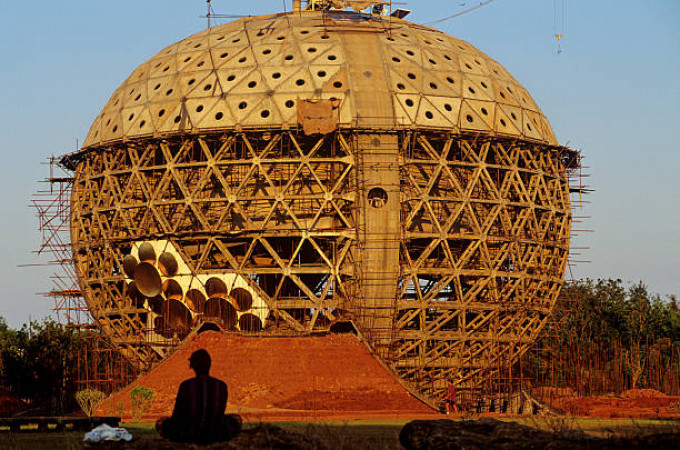
ille is a small town in the state of Tamil Nadu in southern India. It is located about 25 kilometers north of the city of Pondicherry. Auroville was founded in 1968 as an international community of people from all over the world who wanted to live in peace and harmony. Today, Auroville is home to about 2,500 people from more than 50 countries.
Things to Do in Auroville
There are plenty of things to do in Auroville. Some of the most popular activities include sunbathing on the beach, swimming in the ocean, hiking in the nearby hills, and exploring the many temples and other attractions in the area.
Auroville also has a number of interesting attractions, including the Matrimandir, a large meditation hall located in the center of the town. Other popular attractions include the Peace Palace, the International Centre for Spiritual Research, and the Auroville Botanical Garden.
Where to Stay in Auroville
There are a number of different places to stay in Auroville, including guesthouses, hotels, and resorts. Prices vary depending on the type of accommodation, but most places offer relatively affordable r
Read More
Best Time to Visit :
View Packages 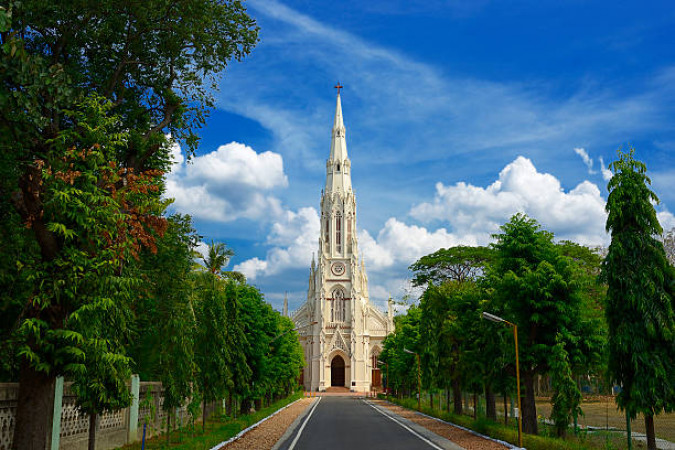
2. Chennai
Chennai, the capital of Tamil Nadu, is one of the most popular tourist destinations in India. It is known for its rich culture and heritage, and for its many historical monuments and temples. The city is also home to several industries, and is a major commercial center.
Chennai is situated on the Coromandel Coast of the Bay of Bengal, and is surrounded by the districts of Tiruvallur and Kancheepuram. The city is connected to the rest of India by road, rail, and air. Chennai International Airport is the fourth busiest airport in India, and is located about 25 kilometers from the city center. Chennai is one of the most populous urban agglomerations in India.
The city of Chennai was founded by the British East India Company in 1639, and was originally known as Madras. The city was the center of the British administration in south India, and was an important port for the export of Indian goods.
The city is home to several historical monuments and temples, including the Kapaleeshwarar Temple, the Santhome Cathedral, and the Fort St. George. Chennai is also home to several universities and research institutions, including the Indian Institute of Technology Madras, the Anna University, and the National Institute of Technology, Tiruchirappalli.
The city is also a major center of the Indian film industry, and is often referred to as the "Hollywood of India." Chennai is a major commercial center, and is home to several industries, including textiles, automobiles and information technology. The city is also a major center of the pharmaceutical industry. It is also known as the “India’s health capital” because of its credible medical facility. Chennai is an excellent place to shop kanjivaram sarees, so in your next visit to Chennai do not miss to buy some.
The city is known for its rich culture and heritage, and is a major tourist destination in India.
History
Chennai, earlier known as Madras, is the capital of Tamil Nadu. It is one of the most ancient and historical cities in India. The city has a rich cultural heritage and a long history. The city was founded by the British East India Company in 1639 and was later ruled by the British Raj. Chennai was also an important center of the Indian independence movement. The city is home to several historical monuments and museums. Chennai is also a major commercial and industrial center in South India.
The city of Chennai has a long and rich history. The region around Chennai has been inhabited for thousands of years. The first recorded mention of the city is in the Mahabharata, an ancient Indian epic. The city was founded by the British East India Company in 1639. The company was looking for a port to trade with the East Indies. The city was ruled by the British Raj for over two hundred years. Chennai was also an important center of the Indian independence movement. Many important figures of the movement, including Mahatma Gandhi, Jawaharlal Nehru, and Subhash Chandra Bose, visited or lived in Chennai. The city became the capital of the newly independent Republic of India in 1947.
Chennai is a major commercial and industrial center in South India. The city is home to several major industrial parks and SEZs. Chennai is also a major center of information technology and automotive manufacturing. The city is also a major center of education and healthcare. Chennai is the second most populous city in India after Mumbai. The city is also the cultural and economic center of the Tamil Nadu state.
Culture
Chennai is a city in southern India with a rich and diverse culture. The culture of Chennai is a mix of traditional Tamil culture and the modern cosmopolitan culture. The city has a rich history and is known for its Dravidian architecture, music, dance, literature, and cuisine.
The people of Chennai are predominantly Tamil-speaking, and Tamil culture is deeply ingrained in the city's heritage. The city has a thriving film industry, known as Kollywood, which produces movies in the Tamil language.
Chennai is also known for its Carnatic music, a classical music form that originated in southern India. Many of the city's famous musicians and composers are associated with this genre of music. Chennai is home to many temples, some of which are centuries old. The Kapaleeswarar Temple, Parthasarathy Temple, and Vadapalani Murugan Temple are some of the most popular temples in the city.
The cuisine of Chennai is a blend of Tamil, Andhra, and Kerala cuisines. Some of the famous dishes from the region include dosa, idli, vada, sambar, rasam, and biryani.
Chennai is also known for its annual cultural festival, the Chennai Music Season, which takes place in December and January. The festival features concerts, dance performances, and other cultural events that showcase the city's rich heritage.
Overall, Chennai's culture is a unique blend of tradition and modernity, reflecting the city's diverse history and cosmopolitan character.
People of Chennai
Chennai is a city in southern India with a population of over 7 million people. The people of Chennai are predominantly Tamil-speaking, and Tamil culture is deeply ingrained in their daily life.
Chennai is a cosmopolitan city and attracts people from all over India and the world. The city has a diverse population, with people from different religions, ethnicities and backgrounds.
The people of Chennai are known for their warmth and hospitality. They are proud of their heritage and culture, and often celebrate their festivals and traditions with great enthusiasm.
Chennai is home to many renowned educational institutions, and the city is known for its highly educated and skilled workforce. The city has a thriving IT industry, and many multinational companies have set up their offices in Chennai.
In short, the people of Chennai are a vibrant and diverse community with a strong connection to their culture and traditions.
Best time to visit Chennai
The best time to visit Chennai is November to February
Best places to visit in Chennai
Here are some of the best places to visit in Chennai.
1. Marina Beach: Marina Beach is the pride of Chennai and one of the longest beaches in the country. The Marina Beach runs for about 6 km and is a popular spot for swimming, sunbathing and enjoying the views. There are also a few restaurants and cafes located along the beach.
2. Kapaleeshwarar Temple: Kapaleeshwarar Temple is a Hindu temple located in the Mylapore neighborhood of Chennai. The temple is dedicated to the god Shiva and is one of the most popular temples in the city.
3. San Thome Basilica: San Thome Basilica is a Roman Catholic Church located in the historic neighborhood of San Thome in Chennai. The church is the burial place of St. Thomas the Apostle, one of the 12 disciples of Jesus Christ.
4. Vivekananda House: Vivekananda House is the former residence of Swami Vivekananda, a prominent Hindu monk and philosopher. The house is now a museum and is open to the public.
5. Fort St. George: Fort St. George is a historic fort located in the city of Chennai. The fort was originally built by the British East India Company in 1644 and is now a popular tourist attraction.
6. Guindy National Park: Guindy National Park is a national park located in the Chennai district of Tamil Nadu. The park is home to a wide variety of wildlife, including lions, tigers, deer, and snakes.
7. Sri Parthasarathy Temple: Sri Parthasarathy Temple is a Hindu temple located in the Triplicane neighborhood of Chennai. The temple is dedicated to the god Krishna and is one of the most popular temples in the city.
8. Thousand Lights Mosque: Thousand Lights Mosque is a mosque located in the Chennai district of Tamil Nadu. The mosque is one of the largest in India and can accommodate up to 25,000 worshippers.
9. Snake Park: Snake Park is a park located in the Guindy district of Chennai. The park is home to a wide variety of snakes, including pythons, cobras, and vipers. It is an interesting place to visit to see these invertebrates animals.
10. Kapaasthala: Kapaasthala is a village located in the Kanchipuram district of Tamil Nadu. The village is known for its handmade silk sarees, which are considered some of the finest in the country.
Read More
Best Time to Visit :
View Packages 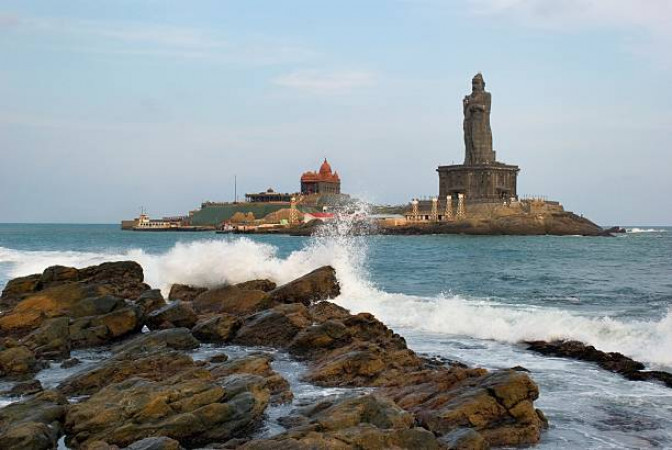
3. Kanyakumari
Kanyakumari, also known as Cape Comorin, is a coastal town located at the southernmost tip of India where the Arabian Sea, the Bay of Bengal, and the Indian Ocean meet. It is situated in the state of Tamil Nadu and is a popular tourist destination because of its natural beauty and cultural significance.
One of the most famous landmarks in Kanyakumari is the Vivekananda Rock Memorial, which was built in 1970 in honor of Swami Vivekananda, a famous Indian philosopher and spiritual leader. The memorial is located on a small island just off the coast of Kanyakumari and can be reached by ferry.
Another popular attraction in Kanyakumari is the Kanyakumari Temple, which is dedicated to the Hindu goddess Kanyakumari. The temple is located on the seashore and is famous for its unique architecture and beautiful setting.
Kanyakumari is also known for its beautiful beaches, such as Kanyakumari Beach, Sanguthurai Beach, and Sothavilai Beach. Visitors can enjoy swimming, sunbathing, and boating at these beaches.
Apart from its natural beauty, Kanyakumari is also a significant cultural center. The town has a rich history, and many festivals are celebrated throughout the year, including the Kanyakumari Festival, the Chaitra Purnima Festival, and the Navratri Festival.
In conclusion, Kanyakumari is a beautiful and culturally rich town that attracts visitors from all over the world. With its stunning natural scenery, historical landmarks, and vibrant culture, Kanyakumari is a must-visit destination for anyone traveling to India.
History
The history of Kanyakumari dates back to ancient times, with references to the town found in various Hindu scriptures and literary works. The town was known as Kumari Kandam or Kumari Munai in ancient times, and it was believed to be the place where the goddess Kanyakumari performed her penance.
During the medieval period, Kanyakumari was ruled by various South Indian dynasties, including the Cheras, the Pandyas, and the Cholas. In the 14th century, the town came under the control of the Vijayanagara Empire, and later, the Nayaks of Madurai.
In the 16th century, Kanyakumari was visited by the Portuguese explorer Vasco da Gama, who referred to it as Cape Comorin. The Portuguese established a trading post in the town, which was later taken over by the Dutch.
During the 18th and 19th centuries, Kanyakumari was ruled by the Travancore Kingdom, which was then under British suzerainty. The town played an important role in the Indian independence movement, with several leaders such as Mahatma Gandhi and Jawaharlal Nehru visiting the town to mobilize support.
In 1956, Kanyakumari was integrated into the newly-formed state of Tamil Nadu. Today, the town is a major tourist destination and a significant cultural center, with a rich history that continues to be celebrated through various festivals and cultural events.
Culture
Kanyakumari is a coastal town located in the southernmost tip of the Indian peninsula. The culture of Kanyakumari is a blend of various influences including Tamil, Kerala, and Christian traditions.
Religion plays a significant role in the culture of Kanyakumari. The town is home to several important religious sites, including the Kanyakumari Temple, which is dedicated to the Hindu goddess Kumari Amman. The Vivekananda Rock Memorial, located off the coast of Kanyakumari, is another popular destination for visitors and is dedicated to Swami Vivekananda, a prominent Indian spiritual leader.
The Christian influence in Kanyakumari is also prominent. The town is home to several churches, including the St. Xavier's Church, which is one of the oldest churches in India. The Our Lady of Ransom Church, the St. Mary's Orthodox Church, and the CSI Holy Trinity Cathedral are some of the other notable churches in the town.
The cuisine of Kanyakumari is predominantly seafood-based, owing to its location near the coast. The traditional dishes of the region include seafood thali, which is a platter of rice served with a variety of seafood dishes such as fish curry, prawn fry, and crab masala. Vegetarian cuisine is also popular, with dishes such as sambar, rasam, and aviyal being widely consumed.
The people of Kanyakumari are known for their warm hospitality and friendly nature. The town has a rich tradition of folk art, including the famous Kumari dance, which is performed during festivals and special occasions. The town is also home to several music and dance academies, which teach classical Indian dance forms such as Bharatanatyam, Kathakali, and Mohiniyattam.
Overall, the culture of Kanyakumari is a unique blend of various influences, reflecting the town's diverse history and geographical location.
People of Kanyakumari
The people of Kanyakumari are a diverse mix of various communities and ethnicities. The majority of the population is Tamil-speaking, but there is also a significant Malayalam-speaking population, owing to the town's proximity to Kerala.
The people of Kanyakumari are known for their friendly and hospitable nature. They are deeply rooted in their culture and traditions and take great pride in their customs and practices.
The town has a rich history of trade and commerce, and the people have traditionally been engaged in fishing, agriculture, and trade. The local economy has seen significant growth in recent years, with the rise of tourism and the expansion of industries such as fishing and agriculture.
The women of Kanyakumari are known for their entrepreneurial spirit and have been active in various business ventures, including handicrafts, textile weaving, and small-scale industries.
Education is highly valued in Kanyakumari, and the town has several renowned educational institutions, including engineering and medical colleges. The literacy rate in Kanyakumari is high, and the people place great emphasis on education as a means to improve their lives and the lives of their families.
Overall, the people of Kanyakumari are proud of their rich culture and traditions and are known for their warm and welcoming nature. They are hardworking, entrepreneurial, and deeply committed to their community and its growth and development.
Here are some of the best places to visit in Kanyakumari:
Kanyakumari Beach - This is the southernmost tip of the Indian subcontinent, where the Bay of Bengal, Indian Ocean, and Arabian Sea meet. Visitors can enjoy the stunning views of the sunrise and sunset over the sea.
Vivekananda Rock Memorial - Located off the coast of Kanyakumari, this memorial is dedicated to Swami Vivekananda, a prominent Indian spiritual leader. Visitors can take a ferry to the island and explore the memorial and meditation hall.
Thiruvalluvar Statue - This 133-foot tall statue of the Tamil poet and philosopher Thiruvalluvar is located on a small island near Kanyakumari. Visitors can take a ferry to the island and admire the statue and its surrounding views.
Padmanabhapuram Palace - This ancient palace located in the nearby town of Padmanabhapuram is a popular tourist destination. Visitors can explore the palace's intricate architecture and rich history.
Gandhi Memorial - This memorial is dedicated to Mahatma Gandhi, the father of the Indian nation. Visitors can learn about Gandhi's life and legacy and pay their respects to this great leader.
Suchindram Temple - This ancient temple located in the nearby town of Suchindram is a popular religious destination. Visitors can explore the temple's intricate carvings and learn about its rich history and mythology.
Udayagiri Fort - This ancient fort located near Kanyakumari is a popular tourist destination. Visitors can explore the fort's ruins and learn about its rich history and significance.
Read More
Best Time to Visit :
View Packages 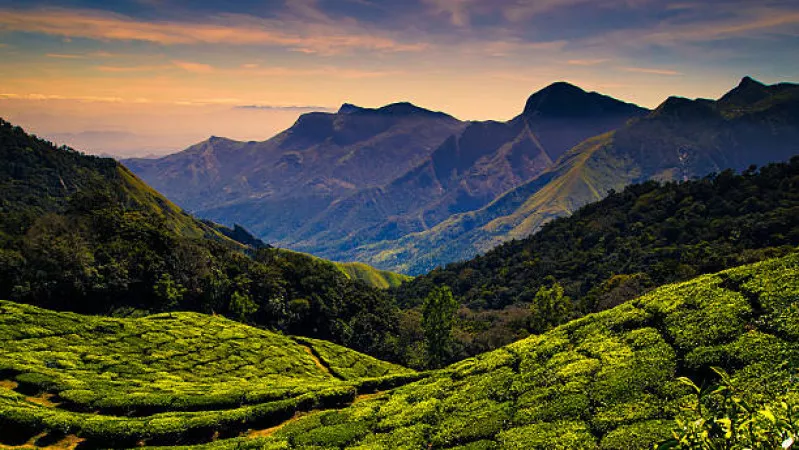
4. Kodaikanal
Kodaikanal is one of the most beautiful hill stations in India. It is located in the Dindigul district of Tamil Nadu. Kodaikanal is situated at an altitude of 2,133 metres above sea level. It is well known for its scenic beauty, lakes and wildlife. Kodaikanal is well known for its lakes. The most popular lakes in Kodaikanal are the Kodai Lake, Berijam Lake and the Bryant Park Lake. The Kodai Lake is the largest lake in Kodaikanal. It is a man-made lake and is located in the heart of the city. The Berijam Lake is a fresh water lake and is located in the Berijam Forest. The Bryant Park Lake is a fresh water lake located in the Bryant Park. The lakes in Kodaikanal are a major tourist attraction.
Kodaikanal is also well known for its wildlife. The most popular wildlife in Kodaikanal is the Nilgiri Tahr. The Nilgiri Tahr is a wild goat that is found only in the Nilgiri Hills. Kodaikanal is also home to a variety of other animals, including deer, leopards, bears and monkeys.
Kodaikanal is also well known for its scenic beauty. The most popular tourist spots in Kodaikanal are the Coaker's Walk, the Pillar Rocks and the Green Valley View. The Coaker's Walk is a walking path that runs along the edge of the Kodai Lake. The Pillar Rocks are a set of three rocks that rise out of the Kodai Lake. The Green Valley View is a view of the valley below Kodaikanal.
Kodaikanal is a popular tourist destination and is well known for its scenic beauty, lakes and wildlife.
History of KodaiKanal
The earliest recorded history of Kodaikanal dates back to the 7th century AD. The region was ruled by the Pallava dynasty, who had their capital at Kanchipuram. The region passed through the hands of the Chola dynasty, the Pandya dynasty and the Vijayanagara Empire before being annexed by the Madurai Nayak dynasty in the 16th century.
The region was ceded to the British East India Company in 1799 by the Nawab of Arcot. In 1841, the British government established the Kodaikanal hill station, then known as the Kodai Hills, to check the spread of cholera.
The region was part of the Madras Presidency until 1947, when it became part of the newly formed Madras State. In 1956, the Madras State was reorganised along linguistic lines into the states of Tamil Nadu and Andhra Pradesh. Kodaikanal was transferred to the newly formed Tamil Nadu state.
The region is a popular tourist destination, with hill station resorts, temples, lakes and waterfalls. The town is also home to a number of schools, colleges and research institutions.
Culture of Kodaikanal
Kodaikanal has a rich culture that is evident in the town's architecture, food, and festivals. The town's architecture is a mix of Tamil, British, and Indian styles. Many of the buildings in the town are made of wood and are adorned with intricate carvings.
The food in Kodaikanal is also a mix of Tamil and Indian cuisine. The town is known for its many restaurants that serve both Indian and international cuisine. Some of the popular dishes in Kodaikanal include dosas, idlis, vadas, pongal, chicken curry, and thali.
Kodaikanal is also home to many festivals that celebrate the town's culture. Some of the most popular festivals in Kodaikanal include the Pongal festival, the Kodai Carnival, and the Summer Festival.
People of Kodaikanal
The people of Kodaikanal are polite and hospitable. They are known for their warmth and friendliness. The locals are mainly of the Tamil Brahmin community. They are mainly vegetarians and follow the Hindu religion.
The people of Kodaikanal are known for their love of nature. They are avid hikers and love to spend time in the forests and hills around the town. They are also well-educated and many of them work in the IT industry.
The people of Kodaikanal are a friendly and welcoming bunch and are sure to make you feel at home.
Best time to visit Kodaikanal
Kodaikanal is a great place to visit all year round, but the best time to visit is from September to May.
Best places to visit in Kodaikanal
There are many places to see in Kodaikanal, and the list changes depending on who you talk to. Here are some of the most popular tourist spots in Kodaikanal:
The Bryant Park: This is a beautiful park located in the heart of Kodai. It's a great place for a walk or a picnic, and there are also some great views of the town and the lake from here.
The Kodai Lake: This is the most popular spot in Kodaikanal, and for good reason. The views of the hills and the lake are stunning, and it's a great place for a walk or a picnic.
The Coaker's Walk: This is a popular hiking trail that offers some amazing views of the surrounding area. It's definitely worth a visit if you're looking for a good hike.
The Pillar Rocks: These are a set of towering rocks that offer some amazing views of the surrounding area. They're definitely worth a visit if you're looking for a good hike.
The Silent Valley: This is a beautiful, secluded valley that's perfect for a hike or a picnic. It's definitely worth a visit if you're looking for some peace and quiet.
Read More
Best Time to Visit :
View Packages 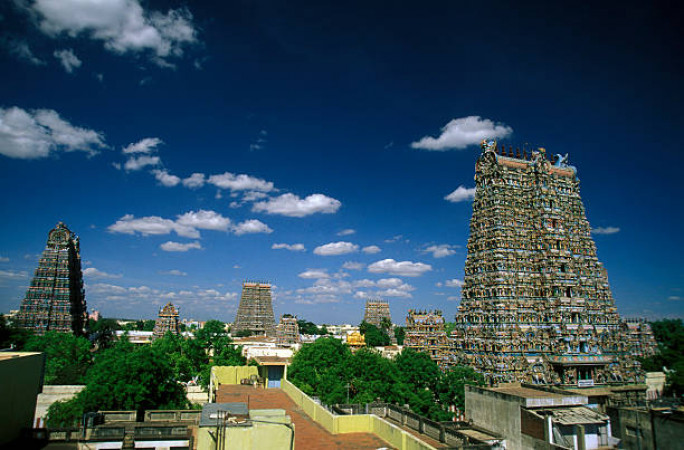
5. Madurai
Madurai is a city in the state of Tamil Nadu, India. It is the second largest city in the state after Chennai. Madurai is the headquarters of the Madurai district. The city is located on the banks of the Vaigai River.
The city is believed to be over 2,500 years old and has been a major cultural and religious center of South India. The city is also an important center of Tamil literature. The city is known for its architectural heritage, including the Meenakshi Amman Temple, which is one of the largest Hindu temples in the country.
The city is also an important center of education, with several universities and colleges located in the city. The city is also a major center of the textile industry.
The city is served by the Madurai Airport, which is located about 15 kilometers from the city center. The city is also served by the Madurai Junction railway station.
History
Madurai is one of the oldest cities in India. It is located on the banks of the river Vaigai. The city is mentioned in several ancient texts such as the Ramayana, the Mahabharata and the Puranas. Madurai was the capital of the Pandyan dynasty. The city has a long and rich history. The city was founded by the Pandyas in the 6th century BC. The Pandyas were a dynasty of Tamil kings who ruled southern India. Madurai was their capital. The city was a center of learning and culture. The Pandyas were great builders and they built many temples in Madurai.
The city was captured by the Cholas in the 9th century AD. The Cholas were a dynasty of Tamil kings who ruled southern India. The Cholas were great warriors and they defeated the Pandyas and captured Madurai. The Cholas built many temples in Madurai and they made the city their capital.
The city was captured by the Muslims in the 13th century AD. The Muslims were a group of people who lived in the Middle East and North Africa. The Muslims captured Madurai and they destroyed many of the temples in the city. The city was captured by the British in the 19th century AD. The British were a group of people who lived in the United Kingdom. The British captured Madurai and they made it their capital. The British built many roads and schools in the city.
The city is now a major city in Tamil Nadu. The city has a population of over one million people. The city is a center of culture and learning. The city has many temples and schools. The city is also a major center of trade and commerce.
Culture
Madurai is one of the oldest cities in India and it is located in the state of Tamil Nadu. The city is known for its rich culture and heritage. The culture of Madurai is a blend of Tamil and Hindu cultures. The city is known for its traditional art forms and architecture.
The people of Madurai are known for their warm and friendly nature. The city is also known for its cuisine. The food of Madurai is a mix of Tamil and Hindu cuisine. The city is also known for its traditional textile art forms. The people of Madurai are also known for their love of music and dance.
The culture of Madurai is very rich and it is a mix of Tamil and Hindu cultures. The city is known for its traditional art forms and architecture. The people of Madurai are known for their warm and friendly nature.
People of Madurai
The people of Madurai are known for their warmth and hospitality, and the city is home to a number of temples and other religious sites.
The people of Madurai are predominantly Hindu, and the city is home to a number of important temples. The people of Madurai are also known for their love of music and dance. There are a number of theaters and performance venues in the city, which host a variety of cultural events throughout the year.
The people of Madurai are also known for their culinary traditions, and the city is home to a number of famous restaurants and street food stalls. The most famous dish from Madurai is the pongal, a rice dish that is cooked with lentils and spices. Madurai is also home to a number of sweet shops, and the most famous sweet from the city is the jigarthanda, a cold drink made with milk, ice cream, and spices.
The people of Madurai are warm and welcoming, and the city is a popular tourist destination. The temples and other religious sites are a major attraction, as are the city's culinary traditions. Madurai is also a major cultural center in South India, and the city hosts a number of festivals and cultural events throughout the year.
Best time to visit Madurai
October to March
Best places to visit in Madurai
1. Meenakshi Amman Temple - The Meenakshi Amman Temple is the most popular tourist attraction in Madurai and one of the most iconic temples in India. The temple is dedicated to the Hindu goddess Meenakshi and her consort, Shiva. The temple is a UNESCO World Heritage Site and is a must-see for any visitor to Madurai.
2. The Thirumalai Nayakar Mahal - The Thirumalai Nayakar Mahal is a palace located in the city center of Madurai. The palace was built in the 17th century by the Nayak king, Thirumalai Nayakar. The palace is a UNESCO World Heritage Site and is a must-see for any visitor to Madurai.
3. The Pazhamudir Solai - The Pazhamudir Solai is a temple located in the city of Madurai. The temple is dedicated to the Hindu god Vishnu. The temple is a popular tourist attraction and is a must-see for any visitor to Madurai.
4. The Gandhi Museum - The Gandhi Museum is a museum located in the city of Madurai. The museum is dedicated to the life and work of Mahatma Gandhi, the father of India. The museum is a popular tourist attraction and is a must-see for any visitor to Madurai.
5. The Meenakshi Sundareswarar Temple - The Meenakshi Sundareswarar Temple is a temple located in the city of Madurai. The temple is dedicated to the Hindu god Shiva. The temple is a popular tourist attraction and is a must-see for any visitor to Madurai.
6. Go Shopping: Madurai is an excellent place to shop Madurai cotton sarees and fabrics. You can explore the market for your choice of things.
Read More
Best Time to Visit :
View Packages 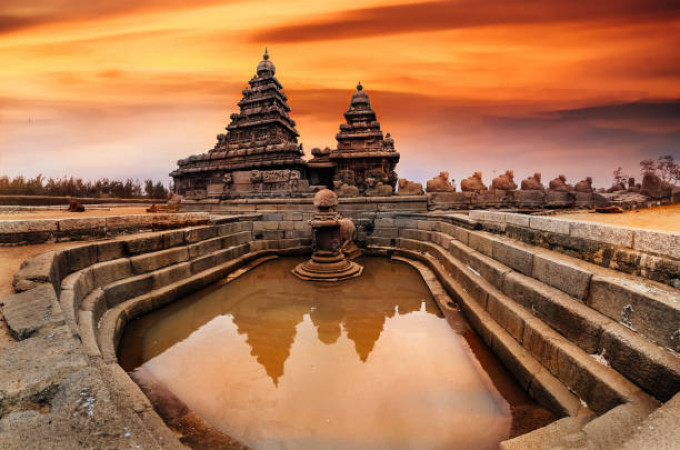
6. Mahabalipuram
ncient city of Mamallapuram, also known as Mahabalipuram, is located on the Coromandel Coast of the Bay of Bengal, in the Indian state of Tamil Nadu. It was declared a UNESCO World Heritage Site in 1984.
Mahabalipuram is known for its rock-cut temples and sculptures. The city was the capital of the Pallava dynasty, which ruled southern India from the 3rd to the 9th centuries. The most famous monuments in Mahabalipuram are the Shore Temple, the Pancha Rathas (Five Rathas), and the Mahishasuramardini Mandapa (Mandapa of the Goddess Mahishasuramard
Read More
Best Time to Visit :
View Packages 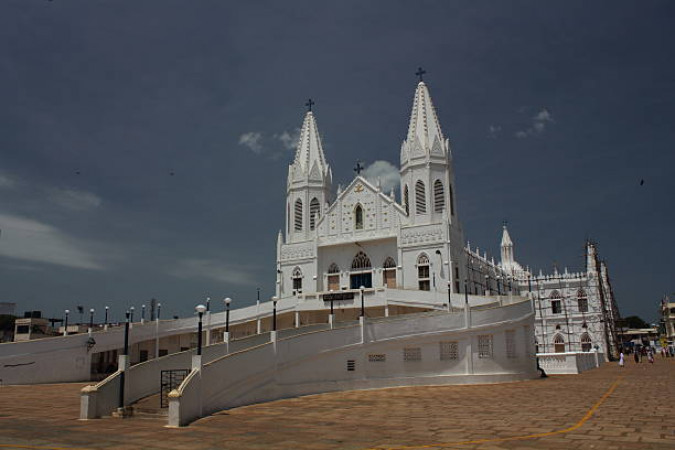
7. Nagapattinam
attinam is a town and a district headquarters in the Nagapattinam district of the Indian state of Tamil Nadu. It is the headquarters of the Nagapattinam district.
Nagapattinam is a coastal town and a port in the Nagapattinam district of the Indian state of Tamil Nadu. It is the headquarters of the Nagapattinam district. Nagapattinam is located at . The town had a population of 101,859 as of 2011.
The district of Nagapattinam is one of the oldest in India. The district is situated in the northeast corner of Tamil Nadu and is bounded by the Bay of Bengal on the east, the Palk Strait on the north and the Nilgiri Hills on the west. The district has an area of .
The district of Nagapattinam is rich in archaeological and historical monuments. The district has 34 temples, 8 mosques, 3 churches and 2 dargahs.
The district is well connected by road and rail. The district has a total road length of . The district has a total railway length of . The district has a total of 9 railway stations.
The district has a total of 12 educational institutions.
The district has a total of 7 hospitals.
The district has a total of 9 banks.
The district has a total of 5 post offices.
The district has a total of 9 telegraph offices.
The district has a total of 5 telephone exchanges.
The district has a total of 5 bus stands.
The district has a total of 5 ferry services.
The district has a total of 4 railway stations.
The district has a total of 5 airports.
The town of Nagapattinam is a coastal town and a port in the district of Nagapattinam. The town is locat
Read More
Best Time to Visit :
View Packages 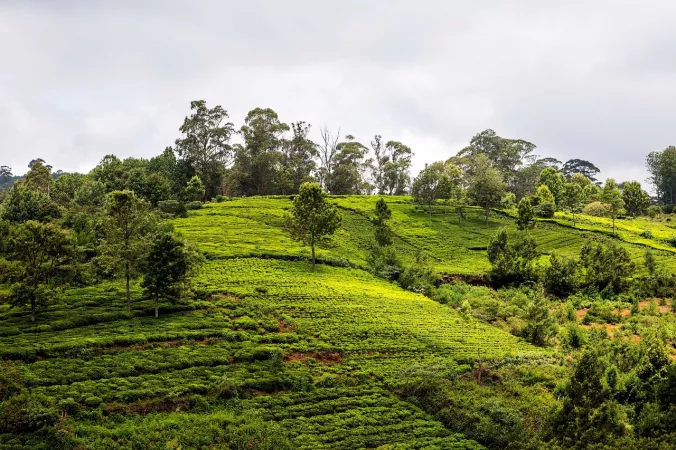
8. Ooty
Ooty, also known as Udhagamandalam, is a hill station in the Indian state of Tamil Nadu, located in the Nilgiri Hills. It is about 80 km (50 mi) from Coimbatore and 150 km (93 mi) from Bangalore.The town is surrounded by dense forest and tea plantations. Ooty is well known for its botanical gardens, which include the Ooty Botanical Gardens and the Dodabetta Peak.
The climate of Ooty is temperate, with temperatures ranging from 10 °C (50 °F) to 25 °C (77 °F) throughout the year. The town receives heavy rainfall, and is considered a rainforest area. The monsoon season is from June to September.
Ooty is a popular destination for honeymooners and those seeking to escape the summer heat. The town has a number of tourist attractions, including the Ooty Botanical Gardens, the Doddabetta Peak, the Ooty Lake, and the Government Rose Garden. The town also has a number of shopping and dining options, and is a popular destination for those seeking to purchase Indian handicrafts.
History of Ooty
The history of Ooty is as interesting as the town itself. The region has been inhabited since prehistoric times and has seen the arrival and departure of many civilizations and rulers.
The first recorded mention of Ooty is from a 9th century Tamil text. The text mentions Ooty as a place where the Chola king, Rajaraja Chola, hunted. The region was ruled by the Cholas, the Pandyas, the Vijayanagar Empire, the Mysore kingdom, and the British.
The British East India Company started to occupy the region in the early 18th century. They built a fort in Ooty in 1788. The fort is now in ruins, but you can still see its walls and gates. The British developed Ooty into a popular hill station. They built roads, gardens, and churches. The town became a popular tourist destination for the British aristocracy.After India's independence in 1947, Ooty remained a popular tourist destination for the British. Many of the British-era buildings and gardens are still in use today.
Culture of Ooty
The culture of Ooty is unique and interesting. It is a blend of Tamil and Anglo-Indian cultures. One of the most popular tourist destinations in India, Ooty is known for its natural beauty, tea plantations, and Nilgiri mountain range.
The Tamil culture is evident in the traditional architecture and food of Ooty. The Anglo-Indian culture is seen in the British colonial influence on the town. Ooty is also known for its handicrafts, including wood carvings and textiles.
People of Ooty
The Nilgiri Hills are inhabited by a variety of people, including the Badaga, Kurumba, and Toda tribes. The Badaga are the largest group, and are concentrated in the eastern part of the hills. The Kurumba are concentrated in the central part of the hills, and the Toda live in the western part.
The Badaga are a farming people who grow rice, millet, and other crops. They also raise cattle, sheep, and goats. The Kurumba are also a farming people, and they grow rice, millet, and other crops. They also raise cattle, sheep, and goats. The Toda are a pastoral people who raise cattle, sheep, and goats.
The people of the Nilgiri Hills are known for their warm and friendly demeanor. They are also known for their music and dance. The Badaga are famed for their folk songs, and the Kurumba and Toda are known for their dances.
Best time to visit Ooty
Ooty, the queen of hill stations, is one place that you can visit any time of the year and be guaranteed of a good time. However, there are certain times during the year when the weather is especially good and the crowds are relatively thin. Here is a look at the best time to visit Ooty:
The best time to visit Ooty is from September to November. The weather is pleasant and the crowds are thin. The autumn colors are also beautiful to see.
If you are looking for a winter getaway, Ooty is a great place to visit from December to February. The temperatures are cool and the landscape is covered in a white blanket of snow.
If you are looking to escape the summer heat, Ooty is a great place to visit from March to May. The temperatures are mild and the landscape is lush and green.
However, no matter what time of the year you visit, Ooty is sure to please. So go ahead and book your tickets today!
Top places to visit
The Nilgiris, or Blue Mountains, are a range of mountains in southern India. They are located in the states of Tamil Nadu and Kerala. Ooty, or Udagamandalam, is a town in the Nilgiris district and is the most popular tourist destination in the region.
There are many places to visit in and around Ooty. Some of the most popular tourist destinations include the following:
1. Doddabetta: Doddabetta is a mountain peak situated in the Nilgiri Hills of Tamil Nadu, India. It is the highest peak in the Nilgiri range, with an elevation of 2,637 meters (8,652 feet). The name Doddabetta translates to "Big Mountain" in Kannada language. The peak is surrounded by dense sholas, which are high-altitude cloud forests, and is home to a variety of flora and fauna. Doddabetta is a popular tourist destination and attracts a large number of visitors every year.
2. Ooty Lake: The Ooty Lake is an artificial lake situated in the picturesque town of Ooty, also known as Udhagamandalam, in the Nilgiris district of Tamil Nadu, India. It was created in the year 1824 by John Sullivan, the then Collector of Coimbatore. The lake spans an area of 65 acres and is surrounded by lush greenery and hills. The Ooty Lake is a popular tourist destination and attracts a large number of visitors every year.
3. Botanical Gardens: The Government Botanical Garden in Ooty is a popular tourist destination spread over 55 acres of land. Established in 1847, it is one of the oldest botanical gardens in India and is home to a wide variety of plants, trees, and flowers from all over the world. The garden is a great place for nature lovers, botanists, and tourists. Managed by the Tamil Nadu Horticulture Department, the staff is knowledgeable and friendly. The best time to visit is during the summer months from March to June when the weather is pleasant and the flowers are in full bloom.
4. Government Museum: The Government Museum in Ooty, Tamil Nadu, India is a popular tourist destination that showcases the history, art, and culture of the Nilgiri District. The museum is home to a wide variety of artifacts, including sculptures, coins, weapons, tribal objects, and botanical specimens. It was established in 1989 and is a must-visit destination for history and culture enthusiasts.
5. St. Stephen's Church: St. Stephen's Church is a historic church located in Ooty, Tamil Nadu, India. It was built in 1829 and is one of the oldest churches in the Nilgiris District. The church is known for its beautiful architecture and stained glass windows. It is a popular tourist attraction and is open to visitors of all religions. The church also holds regular worship services and is an important religious site in the area.
6. Catherine Falls: Catherine Falls is a stunning waterfall located in the Nilgiris District of Tamil Nadu, India. It is situated in the town of Kotagiri and is a popular tourist attraction in the region. The waterfall is formed by the River Kallar and drops from a height of 250 feet, creating a beautiful misty cascade. Visitors can take a short trek to the falls and enjoy the breathtaking views of the surrounding hills and forests. It is a perfect spot for nature lovers and photography enthusiasts.
7. Ooty Railway Station: Ooty Railway Station is a small railway station located in the town of Ooty in Tamil Nadu, India. It is situated on the Nilgiri Mountain Railway, a UNESCO World Heritage Site, and is one of the key tourist attractions in the region. The station is known for its beautiful architecture and scenic surroundings. It has a quaint charm that attracts visitors from all over the world. The toy train from Mettupalayam to Ooty stops at this station, and tourists can enjoy a scenic ride through the picturesque mountains and valleys of the Nilgiris. The station is also an important part of the town's history and heritage.
8. Elk Falls: Elk Falls is a picturesque waterfall located in Udhagamandalam (Ooty) in the Nilgiris District of Tamil Nadu, India. It is a popular tourist attraction and a favorite among nature lovers and adventure seekers. The waterfall is formed by the Elk Stream, which cascades down a rocky terrain to create a beautiful and mesmerizing sight. Visitors can enjoy the serene surroundings, take a refreshing dip in the cool waters, or trek to the top of the falls for a panoramic view of the valley below. The waterfall is a perfect spot for a picnic with family and friends, and is sure to leave you rejuvenated and refreshed.
9. Tea Gradens: Ooty is famous for its lush green tea plantations, and the tea gardens in the town are a popular tourist attraction. Spread over vast acres of land, these tea gardens offer a breathtaking view of the surrounding hills and valleys. The tea gardens are also a great place to take a leisurely stroll and soak in the natural beauty of the region. Visitors can learn about the process of tea making, pluck tea leaves, and even sample some of the finest tea in the world. The best time to visit the tea gardens is during the summer months, when the weather is pleasant and the tea bushes are in full bloom. The tea gardens are a must-visit destination for anyone traveling to Ooty.
10. Avalanche Lake: Avalanche Lake is a stunning destination located in the vicinity of Ooty. It is a popular spot among nature enthusiasts, hikers, and bird watchers due to its pristine beauty and serene surroundings. The lake is surrounded by lush green forests and hills, providing a breathtaking view to visitors. The lake is formed as a result of an avalanche, which occurred in the region in the early 1800s. It is fed by the streams that flow down from the surrounding hills. Visitors can indulge in activities like fishing, camping, and trekking in the region. The lake is accessible via a 28 km drive from Ooty, and a permit from the forest department is required to enter the area. The best time to visit Avalanche Lake is from October to May, when the weather is pleasant and the flora and fauna are in full bloom.
Ooty Travel Tips
If you are planning a trip to Ooty, here are some tips to help you make the most of your visit:
1. If you are travelling by bus, make sure you get a seat on the right side of the bus. This is the side from which you will get the best views of the mountains and the countryside.
2. When you reach Ooty, head to the Botanical Gardens. This park is home to a variety of plants and trees, and is a great place to relax and enjoy the natural beauty of the area.
3. If you are looking for something more adventurous, head to the Doddabetta Peak. This is the highest peak in the Nilgiris and offers stunning views of the surrounding area.
4. Make sure you visit the Ooty Lake. This is a popular spot for fishing, boating, and sightseeing.
5. If you are looking for some shopping, head to the Ooty Market. Here you can find a variety of souvenirs to take home with you.
6. Finally, be sure to enjoy the delicious food that Ooty is famous for. There are a variety of restaurants and cafes in the area, so you are sure to find something to your taste.
Read More
Best Time to Visit :
View Packages 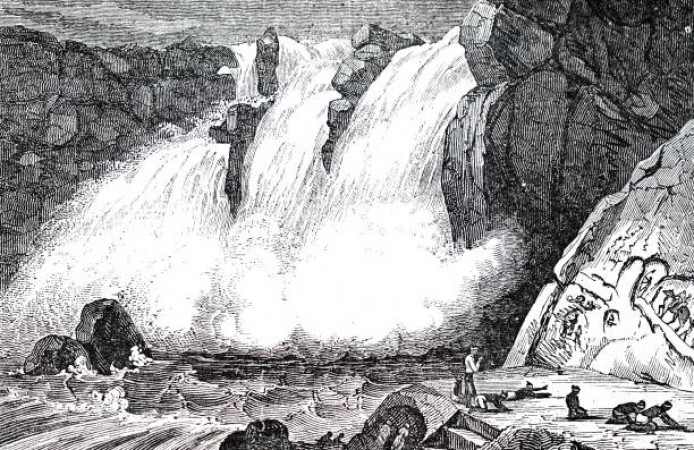
9. Tirunelveli
elveli is a city in the Indian state of Tamil Nadu. It is the administrative headquarters of the Tirunelveli District. It is the sixth-largest city in the state by population. It is located on the banks of the Thamirabarani River. The city is home to a number of religious places, including the famous Nellaiappar Temple. The economy of the city is based on agriculture and commercial enterprises. The city is connected to other parts of the state by road and
Read More
Best Time to Visit :
View Packages 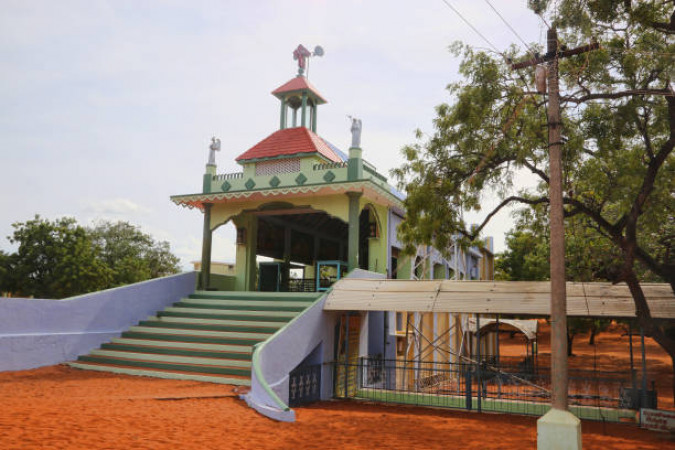
10. Tuticorin
ort city of Tuticorin is located in the state of Tamil Nadu in southern India. It is the headquarters of the Tuticorin district and is the sixth largest city in the state. The city has a population of just over 710,000 people.
The city is an important commercial center and is home to a large number of industries, including a steel plant, a cement plant, and a number of thermal power plants. The city is also a major center for the export of salt.
The city is a popular tourist destination and is home to a number of attractions, including the Srivaikuntam Temple, the Tuticorin Port, the Dutch Fort, and the Our Lady of Snows Basilica.
The city is well connected to the rest of India by road and rail. The Tuticorin Airport is located about 12 kilometers from the city center and offers flights to a number of destinations, including Chennai, Mumbai, and D
Read More
Best Time to Visit :
View Packages 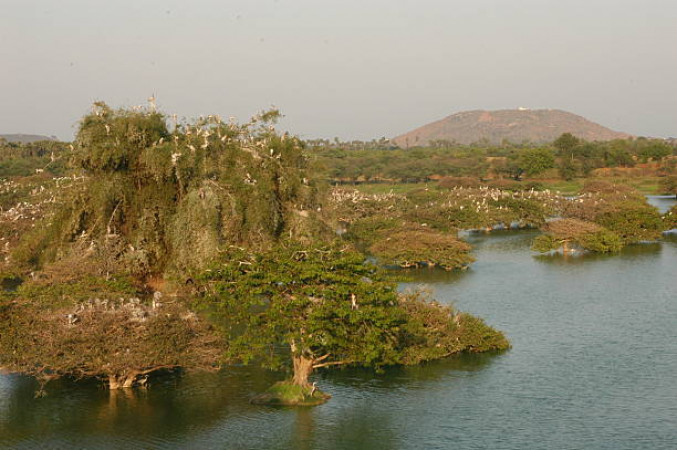
11. Vedanthangal
Vedanthangal is a small village located in Kancheepuram district of Tamil Nadu. The village is known for its bird sanctuary, which is one of the largest in Asia. The sanctuary is home to a large variety of birds, including pelicans, storks, and spoonbills. There are a few tourist attractions in Vedanthangal, including the bird sanctuary and the Vedanthangal Lake. The bird sanctuary is open from 6:00am to 6:00pm, and the lake is open from 6:00am to 8:00pm. There are a few restaurants in Vedanthangal, including the Tamil Nadu Tourism Development Corporation (TTDC) restaurant and the Forest Department restaurant. The TTDC restaurant is open from 7:00am to 3:00pm, and the Forest Department restaurant is open from 7:00am to 4:00pm. There are a few hotels in Vedanthangal, including the Tamil Nadu Tourism Development Corporation (TTDC) hotel and the Forest Department hotel. The TTDC hotel is open from 7:00am to 3:00pm, and the Forest Department hotel is open from 7:00am to 4:00pm.
Read More
Best Time to Visit :
View Packages 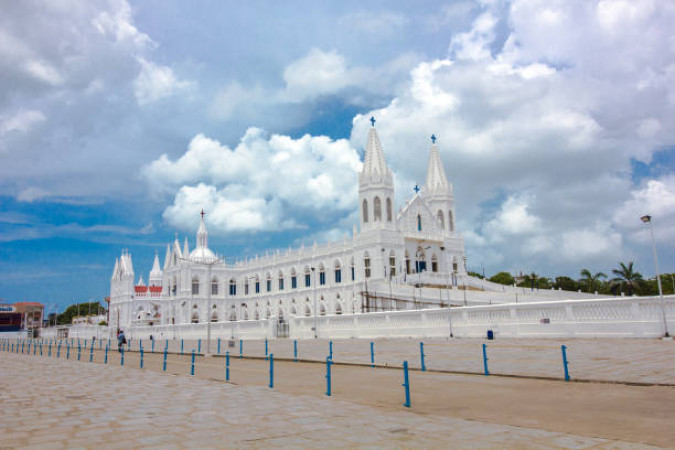
12. Velankanni
own of Velankanni is located in the state of Tamil Nadu in southern India. The town is best known as the site of a Christian pilgrimage shrine dedicated to Our Lady of Good Health, also known as Our Lady of Velankanni. The shrine is said to have been founded in the 6th century by the Apostle St. Thomas. Thousands of pilgrims from all over the world visit the shrine each year.
The town of Velankanni is located in the state of Tamil Nadu in southern India. The town is best known as the site of a Christian pilgrimage shrine dedicated to Our Lady of Good Health, also known as Our Lady of Velankanni. The shrine is said to have been founded in the 6th century by the Apostle St. Thomas. Thousands of pilgrims from all over the world visit the shrine each year.
The shrine is located on the coast, and the town is a popular tourist destination for its beaches. Other attractions in the town include the Our Lady of Good Health Church, the Nagapattinam Railway Station, and the Fort of St. George.
There are several hotels and resorts in Velankanni, as well as restaurants and shops. The town is well connected by road and rail, and there are several airports ne
Read More
Best Time to Visit :
View Packages 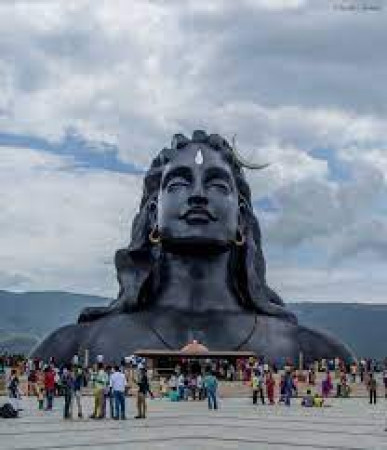
13. Coimbatore
Coimbatore, also known as Kovai, is a major city in the Indian state of Tamil Nadu. It is the second largest city in the state after Chennai and is the largest city in the Kongu Nadu region. It is located on the banks of the Noyyal River and is surrounded by the Nilgiri Hills.
Coimbatore was founded by the Tamil Sangam poet Kovalan and is said to have been named after a demon, Koimbatore. The city rose to prominence during the British Raj as it was the largest textile manufacturing centre in South India. Coimbatore was one of the major centres of the Indian independence movement. The city is now a major industrial and commercial centre in South India. Coimbatore is also the headquarters of the Coimbatore district.
The city is a major transportation hub for the region and is connected to major cities in India by road and rail. The Coimbatore International Airport is located in the Peelamedu suburb of the city. The city is also home to several educational institutions, including the Anna University Coimbatore campus.
Coimbatore is a major economic and industrial centre in South India. The city is home to several major industrial parks, including the Saravanampatti Industrial Park, the Alathur Industrial Park, the Coimbatore Special Economic Zone and the Peelamedu Industrial Park. The city is also home to several major manufacturing companies, including textile companies, automobile companies and engineering companies.
History
Coimbatore, located in the southern state of Tamil Nadu, is one of the largest and most industrialized cities in India. The region has a long and illustrious history that can be traced back to the Sangam period (300 BC-300 AD). The city was an important trade center and played a significant role in the economy of the region.
The city was originally known as Kovanputhur and was ruled by the Cheras, one of the most powerful kingdoms in South India. The Cheras were replaced by the Cholas in the 10th century and the city came under their rule. The Cholas were eventually replaced by the Vijayanagara Empire in the 15th century.
The city came under the rule of the Mysore Sultanate in the 18th century and it was during this period that it was renamed Coimbatore. The city passed through a number of hands in the 19th century before it came under British rule.
Culture
Coimbatore is a city located in the Indian state of Tamil Nadu, and it has a rich and diverse cultural heritage. The culture of Coimbatore is deeply rooted in its history, traditions, and customs.
One of the most notable aspects of Coimbatore's culture is its love for art and music. The city is home to several famous musicians, and there are many music schools and academies where people can learn different forms of music. The city also hosts many cultural events, such as classical music concerts, dance performances, and theater plays.
Another important aspect of Coimbatore's culture is its cuisine. The city is famous for its traditional South Indian dishes, including dosas, idlis, vadas, and sambar. Coimbatore is also known for its street food, which includes a variety of delicious snacks like bhajis, bondas, and bajjis.
Coimbatore is also famous for its textile industry. The city is home to many textile mills, and its fabrics are exported all over the world. The textile industry has had a significant impact on the city's economy and culture.
The people of Coimbatore are known for their hospitality and warmth. They are proud of their cultural heritage and are happy to share it with others. The city has a rich history and is home to many temples and religious sites, which are important cultural landmarks.
Overall, Coimbatore's culture is a beautiful blend of traditional and modern elements. It is a vibrant and dynamic culture that continues to evolve and grow with time.
People of Coimbatore
The people of Coimbatore, a city located in the Indian state of Tamil Nadu are known for their hospitality, warmth and welcoming nature. They are proud of their cultural heritage and traditions and are happy to share it with visitors.
The city is a melting pot of different cultures, religions, and ethnicities. The majority of the population is Tamil-speaking, but there are also significant populations of Telugu, Kannada, and Malayalam speakers. The people of Coimbatore are deeply religious, and the city is home to several famous temples, mosques, and churches.
Coimbatore is also known for its entrepreneurial spirit, and many of its residents are involved in business and industry. The city has a thriving textile industry, and many of its residents work in mills and factories.
Despite the rapid modernization of the city in recent years, the people of Coimbatore have managed to hold onto their traditional values and customs. Family and community are essential, and there is a strong sense of belonging and solidarity among the people.
The people of Coimbatore are known for their love of food and music. The city is famous for its delicious South Indian cuisine, and there are many restaurants and street vendors where visitors can sample the local dishes. The city is also home to several famous musicians, and music is an integral part of Coimbatore's cultural identity.
Overall, the people of Coimbatore are friendly, welcoming, and proud of their heritage. They are happy to share their traditions and culture with visitors and are always eager to make new friends.
Best time to visit Coimbatore
September to March is the best time to visit Coimbatore
Best places to visit in Coimbatore
Here are ten of the best places to visit in Coimbatore:
Marudamalai Temple - a beautiful hilltop temple dedicated to Lord Murugan and surrounded by lush greenery.
Perur Pateeswarar Temple - an ancient temple dedicated to Lord Shiva and known for its intricate architecture.
VOC Park and Zoo - a popular attraction that features a zoo, botanical garden, and amusement park.
Gass Forest Museum - a museum dedicated to showcasing the flora and fauna of the Western Ghats.
Dhyanalinga - a spiritual center that houses a beautiful meditation hall and offers various meditation programs.
Siruvani Waterfalls - a breathtaking waterfall located in the midst of dense forests.
Black Thunder Theme Park - an amusement park that features thrilling rides and water sports.
Kovai Kutralam Falls - another beautiful waterfall located near the city.
Monkey Falls - a scenic waterfall located in the Coimbatore district.
Anamalai Tiger Reserve - a beautiful nature reserve that is home to a wide range of wildlife, including tigers, elephants, and leopards.
Read More
Best Time to Visit :
View Packages 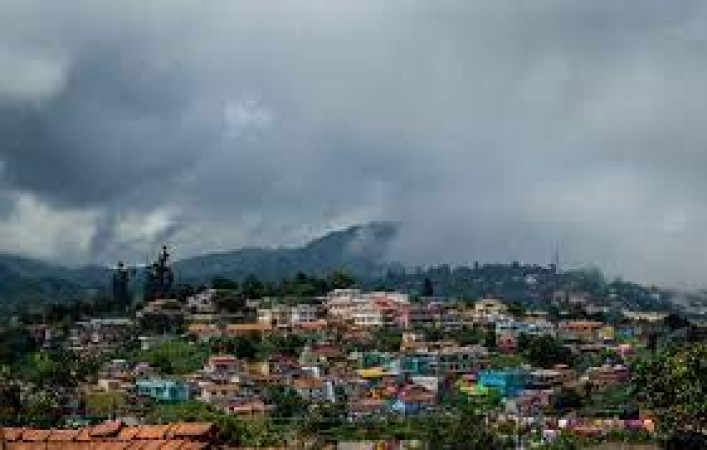
14. Coonoor
Coonoor is a charming hill station nestled in the lap of the Nilgiri Hills in Tamil Nadu, India. It is a popular destination for nature lovers, adventure seekers, and those seeking a peaceful retreat from the hustle and bustle of city life.
The town boasts of verdant green valleys, rolling hills, and cascading waterfalls that offer a stunning view of the surrounding landscape. The lush tea gardens, spread across acres of land, add to the natural beauty of this picturesque town. Coonoor is famous for its tea plantations, and a visit to one of the tea factories is a must-do activity for tourists.
Apart from its scenic beauty, Coonoor is also known for its colonial-era architecture. The town has several old bungalows and buildings, which are reminiscent of the British era. Some of these buildings have been converted into heritage hotels, providing visitors with a glimpse of the town's colonial past.
Coonoor also has several trekking trails that take you through some of the most beautiful parts of the Nilgiris. The trek to Dolphin's Nose, which offers panoramic views of the surrounding hills, is a popular one among trekkers.
In addition to its natural beauty and adventure activities, Coonoor is also known for its delicious cuisine. The town has several restaurants that serve local delicacies, including biryani, dosa, and filter coffee, which is a must-try for coffee lovers.
Overall, Coonoor is a beautiful town that offers a perfect blend of natural beauty, adventure, history, and culture. Whether you are a nature lover or an adventure seeker, Coonoor is sure to leave you spellbound with its beauty and charm.
History
Coonoor, has a rich and fascinating history that dates back to the colonial era. The town's name is believed to have originated from the Kannada word 'Kannur,' which means 'place of the bull.'
Coonoor was initially a small village inhabited by the Toda tribe. It was only during the 19th century that the British discovered the region's potential as a hill station and began to develop it. The first European house in Coonoor was built by Captain F. Cotton, who was the Assistant Revenue Surveyor in the early 1800s.
The British established Coonoor as a summer retreat for the British officers stationed in India. They built several bungalows and cottages in the town, which still stand today as a reminder of the town's colonial past. The town also served as an important military base during World War II, with several army camps set up in the surrounding hills.
The establishment of the Nilgiri Mountain Railway in 1899 played a crucial role in Coonoor's development as a hill station. The railway connected Coonoor to the neighboring towns of Ooty and Mettupalayam, making it easier for tourists to access the town. Today, the Nilgiri Mountain Railway is a UNESCO World Heritage Site and is one of the most popular tourist attractions in the region.
Coonoor was also known for its tea plantations, which were established during the colonial era. The British brought tea bushes from China and planted them in the hills of Coonoor, which soon became famous for their high-quality tea. Today, the tea plantations are a major attraction for tourists visiting Coonoor, and a visit to a tea factory is a must-do activity.
In conclusion, Coonoor has a rich and fascinating history that is closely linked to its colonial past. The town's development as a hill station, its military significance, and its tea plantations all contribute to its unique identity and make it a popular destination for tourists.
Culture
Coonoor has a rich and diverse culture that is influenced by the town's history and geography. The town is home to people from different ethnicities, religions, and cultures, which makes it a melting pot of traditions and customs.
The people of Coonoor are known for their warm hospitality and friendly nature. They welcome tourists with open arms and are always willing to share their knowledge about the town's history, culture, and traditions. The town's multi-ethnic population has led to the development of a unique blend of culture that is reflected in the town's festivals, food, and art.
One of the most popular festivals in Coonoor is the annual Mariamman festival, which is celebrated with great enthusiasm by the locals. The festival is dedicated to the Hindu goddess Mariamman and is celebrated in the month of July or August. During the festival, the streets of Coonoor come alive with colorful processions, music, and dance.
The people of Coonoor are also known for their love of food, and the town has a diverse cuisine that reflects its multi-ethnic population. The local delicacies include biryani, dosa, vada, and filter coffee, which is a must-try for coffee lovers. The town also has several restaurants that serve Indian and international cuisines, making it a paradise for foodies.
Coonoor is also known for its handicrafts and art, which are influenced by the town's natural beauty and history. The town has several art galleries and handicraft stores that sell handmade items, including paintings, sculptures, and pottery.
In conclusion, Coonoor has a rich and diverse culture that is influenced by the town's history and geography. The town's festivals, food, and art reflect the unique blend of traditions and customs that have developed over the years. A visit to Coonoor is not just a feast for the eyes but also a chance to experience its rich culture and warm hospitality.
People
The town's population comprises people from different ethnicities, religions, and cultures, making it a melting pot of traditions and customs.
The Toda tribe, one of the earliest inhabitants of the Nilgiri Hills, are still present in Coonoor and its surrounding areas. They are known for their distinctive culture and traditions, including their unique style of architecture and dress.
The town's population also includes people from different parts of India who have migrated to Coonoor in search of better opportunities. The majority of the people in Coonoor are Tamil-speaking, but there is also a significant population of Kannada-speaking people.
The people of Coonoor are known for their warm hospitality and friendly nature. They are always willing to welcome tourists and share their knowledge about the town's history, culture, and traditions. The town's multi-ethnic population has led to the development of a unique blend of culture that is reflected in the town's festivals, food, and art.
The people of Coonoor are also known for their love of food, and the town has a diverse cuisine that reflects its multi-ethnic population. The local delicacies include biryani, dosa, vada, and filter coffee, which is a must-try for coffee lovers.
In conclusion, the people of Coonoor are a diverse and friendly group who are proud of their town's culture and traditions. Their warm hospitality and love of food make Coonoor a wonderful place to visit and experience the unique blend of cultures that exist in this charming hill station.
Best time to visit Coonoor
October to March
Here are 10 best places to visit in Coonoor:
Sim's Park: This park is famous for its beautiful flowers and lush greenery. It is a perfect place to relax and spend some quality time with family and friends.
Dolphin's Nose: It is a viewpoint that offers a breathtaking view of the valley and Catherine Falls. The viewpoint is named so because of its shape resembling a dolphin's nose.
Catherine Falls: This waterfall is located near Dolphin's Nose and is one of the popular tourist attractions in Coonoor. The waterfall is surrounded by lush greenery and offers a serene environment.
Lamb's Rock: It is a viewpoint that offers a panoramic view of the valley and tea plantations. The viewpoint is named after Captain Lamb, who discovered it.
Droog Fort: This fort was built by Tipu Sultan in the 18th century. It offers a stunning view of the surrounding landscape and is a popular trekking destination.
Law's Falls: It is a popular picnic spot and a scenic waterfall located near Coonoor. The waterfall is surrounded by dense forests and offers a peaceful environment.
Highfield Tea Factory: This factory offers a guided tour of the tea-making process and also allows visitors to taste different varieties of tea.
Ralliah Dam: This dam is located on the outskirts of Coonoor and is a perfect place for boating and fishing. It offers a stunning view of the surrounding landscape.
Wellington Gymkhana Club Golf Course: This golf course is located in the heart of Coonoor and offers a challenging game for golf enthusiasts.
Ketti Valley Viewpoint: It is one of the most popular viewpoints in Coonoor and offers a stunning view of the Ketti Valley. The viewpoint is surrounded by tea plantations and lush greenery.
Read More
Best Time to Visit :
View Packages 
15. Kanchipuram
ipuram, also known as Kancheepuram, is a city in the Indian state of Tamil Nadu. It is located about 60 kilometers (37 mi) from the state capital Chennai.
Kanchipuram is well known for its temples, of which the Kanchi Kailasanathar Temple and Ekambareswarar Temple are the most prominent. The city is also home to the Kanchi Mutt, a prominent Hindu monastery.
Kanchipuram is administered by a Special grade municipality constituted in 1947. As of 2011, the town had a population of 164
Read More
Best Time to Visit :
View Packages 16. Kumbakonam
konam is a town in the Thanjavur district of Tamil Nadu, India. It is located around 205 km south of Chennai, the capital of Tamil Nadu. Kumbakonam is known as the "City of Temples" and is one of the most important religious centres in South India. The town is located on the banks of the river Kaveri.
The Kumbakonam area is mentioned in the Tamil Sangam literature. The town was the capital of the Chola kingdom from the 9th century until the 13th century. The town was ruled by a succession of Chola, Pandya, Vijayanagara, Madurai Nayak, Thanjavur Maratha and British Raj rulers. Kumbakonam is a part of the Kumbakonam taluk.
The town is an important centre for Hindu pilgrimage and is home to a large number of temples, including the Sarangapani Temple, the Nageshvara Temple, the Ekambareswarar Temple, the Kamakshi Amman Temple, the Kailasanathar Temple, the Govindaraja Temple and the Venkateshwara Temple. The town is also home to the Adi Kumbeswarar Temple, the Pancha bootha Lingams and the Nataraja Temple.
The economy of the town is based on tourism and agriculture. The town is known for its handloom textiles and handicr
Read More
Best Time to Visit :
View Packages 17. Rameswaram
waram is a Hindu pilgrimage town in the state of Tamil Nadu in southern India. It is located on Pamban Island, separated from mainland India by the Pamban Channel and the Indian Ocean. The town has a long history and is considered one of the holiest places in India for Hindus. Rameswaram is the only place in India where Hindus are allowed to perform the pilgrimage to the holy shrine of Lord Shiva at Kashi.
Rameswaram is a popular tourist destination and is well connected to the rest of India by road and rail. The town has a number of tourist attractions, including the Ramanathaswamy Temple, the Dhanushkodi Beach, and the Pamban Br
Read More
Best Time to Visit :
View Packages 18. Yercaud
u are looking for a place to relax and rejuvenate, Yercaud is the perfect destination for you. This little town in the Salem district of Tamil Nadu is known for its natural beauty and serene atmosphere. Yercaud is surrounded by hills and forests, and is a great place to go for a hike or a nature walk. There are also a number of temples and other places of interest in the town.
Climate
The climate in Yercaud is temperate, with mild winters and hot summers. The best time to visit is during the winter months, from November to February.
How to Get There
Yercaud is well-connected by road and is about a six-hour drive from Chennai. There are also a number of buses that run from Chennai to Yercaud. The nearest railway station is in Salem, which is about 30 km away. The airport closest to Yercaud is the Salem Airport, which is about 60 km
Read More
Best Time to Visit :
View Packages Help & Support
Call Us Now
+91-8069145442