BEST PLACES TO VISIT
Here's a list of 15 Best Places to visit in Uttar Pradesh

1. Agra
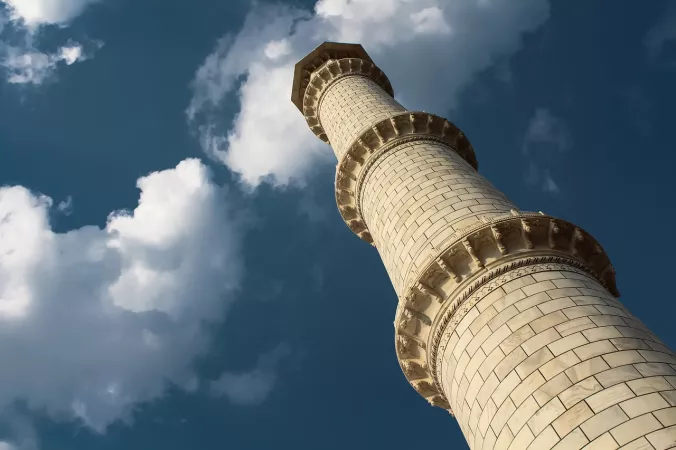
Agra is a city on the banks of the Yamuna River in the north Indian state of Uttar Pradesh. It is a major tourist destination because of its many famous monuments, including the Taj Mahal, one of the Seven Wonders of the World.
The origins of Agra are uncertain, but the city was first mentioned in the 6th century AD. It rose to prominence in the 16th century under the Mughal dynasty, and became the capital of the Mughal Empire. The Mughals were a Muslim dynasty who ruled most of the Indian subcontinent from the 16th to the 18th century.
The Mughals were great builders, and many of Agra’s most famous monuments were built during their rule. The Taj Mahal, for example, was built by Mughal Emperor Shah Jahan in memory of his late wife Mumtaz Mahal. The Red Fort was also built by the Mughals, as was the Agra Fort.
Agra is also home to a number of other famous monuments, including the Fatehpur Sikri complex, the Itmad-ud-Daulah’s Tomb and the Baby Taj.
Agra is a major tourist destination, and the city’s economy is largely based on tourism. In addition to the many famous monuments, Agra is also home to a number of bazaars where tourists can buy souvenirs.
Agra is a fascinating city with a rich history. Its many famous monuments are a testament to the city’s importance in the 16th and 17th centuries. Agra is well worth a visit for anyone interested in Indian history and culture.
History of Agra
The city of Agra has a rich and varied history that is reflective of the many civilizations that have thrived in India over the centuries. The first major dynasty to rule Agra was the Gupta Empire, which was founded in the 4th century CE. The Guptas were followed by the Rajputs, who ruled the region until the Muslim Mughal dynasty came to power in the 16th century.
The Mughals were the most influential dynasty to rule Agra, and their period of rule was marked by great cultural and artistic achievements. The most famous Mughal emperor, Akbar, made Agra his capital and built many of the city's most iconic monuments, including the Taj Mahal.
The Mughal dynasty declined in the 18th century and was eventually replaced by the British Raj. The British ruled Agra until India's independence in 1947, after which the city became part of the new Republic of India.
Since independence, Agra has continued to thrive as a cultural and tourist destination. The city's many historical monuments continue to draw visitors from around the world, and its traditional handicrafts and food are also popular tourist attractions.
Culture of Agra
The city of Agra is located in the northern state of Uttar Pradesh in India. It is home to some of the most famous tourist destinations in the country, including the Taj Mahal and Agra Fort. The culture of Agra is a mix of traditional and modern influences, with a strong focus on family values.
The traditional culture of Agra is based on the Hindu religion. Hindus in Agra celebrate a number of religious festivals each year, including Diwali, Holi, and Ganesh Chaturthi. The city is also home to a large Muslim population, and Muslims in Agra celebrate Eid al-Fitr and Eid al-Adha each year.
The modern culture of Agra is based on the city's status as a major tourist destination. Many locals in Agra have developed businesses to cater to tourists, including restaurants, hotels, and guides. The city is also home to a number of cultural institutions, including the Taj Mahal Museum and the Agra Fort Museum.
Agra is a popular tourist destination in India, and is home to some of the most famous tourist attractions in the country. The city's traditional culture is based on the Hindu religion, while its modern culture is based on its status as a major tourist destination. Family values are central to the culture of Agra, and locals are close with their extended families. The city is also home to a number of traditional crafts, including carpet weaving, woodworking, and metalworking.
One of the most famous traditions in Agra is the making of sweets. There are many different sweet shops in the city, and the sweets are famous all over India. Some of the most popular sweets in Agra are petha, rabri and mathri.
The people of Agra are also known for their love of food. There are many restaurants in the city, and the food is delicious. The people of Agra love to eat chicken tikka, butter chicken, and biryani.
People of Agra
The city of Agra is located in the northern state of Uttar Pradesh in India. The population of Agra is just over 2 million people. The people of Agra are known for their warmth and hospitality. The majority of the people in Agra are from the Hindu religion. However, there is a significant Muslim population in the city as well. The people of Agra are known for their colorful clothing and vibrant culture.
The people of Agra are also known for their love of food. There are many delicious restaurants in the city that serve a variety of Indian cuisine. The people of Agra are also known for their love of art and culture. There are many beautiful mosques and temples in the city that are worth visiting.
Overall, the people of Agra are warm and welcoming people who are proud of their vibrant culture and delicious food.
Best time to visit Agra
October to February is the best time to visit Agra
Best places to visit Agra
Here are some of the best places to visit in Agra.
The Taj Mahal: The Taj Mahal is, undoubtedly, the most popular tourist attraction in Agra. The iconic white marble mausoleum was built by Mughal emperor Shah Jahan in memory of his late wife Mumtaz Mahal. The Taj Mahal is one of the Seven Wonders of the World and is a UNESCO World Heritage Site. Millions of visitors visit Agra to see this beautiful wonders of the world.
Agra Fort: Agra Fort is another popular tourist attraction in Agra. The fort was built by Mughal emperor Akbar in the 16th century. The fort is a UNESCO World Heritage Site and is noted for its intricate architecture. The size and structure of the fort turn people awestruck.
Fatehpur Sikri: Fatehpur Sikri is another popular tourist attraction in Agra. The city was built by Mughal emperor Akbar in the 16th century as his capital city. The city is noted for its intricate architecture.
The tomb of Itmad-ud-Daulah: The tomb of Itmad-ud-Daulah is another popular tourist attraction in Agra. The tomb was built by Mughal emperor Jahangir in memory of his father, Itmad-ud-Daulah. The tomb is noted for its intricate Mughal architecture.
The Chini Ka Rauza: The Chini Ka Rauza is a popular tourist attraction in Agra. The tomb was built by Mughal emperor Shah Jahan in memory of his father, Mirza Ghias Beg. The tomb is noted for its intricate Mughal architecture.
The Jama Masjid: The Jama Masjid is a popular tourist attraction in Agra. The mosque was built by Mughal emperor Shah Jahan in the 17th century. The mosque is noted for its intricate Mughal architecture.
The Panch Mahal: The Panch Mahal is a popular tourist attraction in Agra. The palace was built by Mughal emperor Jahangir in the 17th century. The palace is noted for its intricate Mughal architecture.
The Akbar Mausoleum: The Akbar Mausoleum is a popular tourist attraction in Agra. The mausoleum was built by Mughal emperor Akbar in the 16th century. The mausoleum is noted for its intricate Mughal architecture.
The Baby Taj: The Baby Taj is a popular tourist attraction in Agra. The tomb was built by Mughal emperor Shah Jahan in memory of his father, Mirza Ghiyas Beg. The tomb is noted for its intricate Mughal architecture.
The Mehtab Bagh: The Mehtab Bagh is a popular tourist attraction in Agra. The garden was built by Mughal emperor Shah Jahan in the 17th century. The garden is noted for its intricate Mughal architecture.
Read More
Best Time to Visit :
View Packages 
2. Agra
Agra is a city on the banks of the Yamuna River in the north Indian state of Uttar Pradesh. It is a major tourist destination because of its many famous monuments, including the Taj Mahal, one of the Seven Wonders of the World.
The origins of Agra are uncertain, but the city was first mentioned in the 6th century AD. It rose to prominence in the 16th century under the Mughal dynasty, and became the capital of the Mughal Empire. The Mughals were a Muslim dynasty who ruled most of the Indian subcontinent from the 16th to the 18th century.
The Mughals were great builders, and many of Agra’s most famous monuments were built during their rule. The Taj Mahal, for example, was built by Mughal Emperor Shah Jahan in memory of his late wife Mumtaz Mahal. The Red Fort was also built by the Mughals, as was the Agra Fort.
Agra is also home to a number of other famous monuments, including the Fatehpur Sikri complex, the Itmad-ud-Daulah’s Tomb and the Baby Taj.
Agra is a major tourist destination, and the city’s economy is largely based on tourism. In addition to the many famous monuments, Agra is also home to a number of bazaars where tourists can buy souvenirs.
Agra is a fascinating city with a rich history. Its many famous monuments are a testament to the city’s importance in the 16th and 17th centuries. Agra is well worth a visit for anyone interested in Indian history and culture.
History of Agra
The city of Agra has a rich and varied history that is reflective of the many civilizations that have thrived in India over the centuries. The first major dynasty to rule Agra was the Gupta Empire, which was founded in the 4th century CE. The Guptas were followed by the Rajputs, who ruled the region until the Muslim Mughal dynasty came to power in the 16th century.
The Mughals were the most influential dynasty to rule Agra, and their period of rule was marked by great cultural and artistic achievements. The most famous Mughal emperor, Akbar, made Agra his capital and built many of the city's most iconic monuments, including the Taj Mahal.
The Mughal dynasty declined in the 18th century and was eventually replaced by the British Raj. The British ruled Agra until India's independence in 1947, after which the city became part of the new Republic of India.
Since independence, Agra has continued to thrive as a cultural and tourist destination. The city's many historical monuments continue to draw visitors from around the world, and its traditional handicrafts and food are also popular tourist attractions.
Culture of Agra
The city of Agra is located in the northern state of Uttar Pradesh in India. It is home to some of the most famous tourist destinations in the country, including the Taj Mahal and Agra Fort. The culture of Agra is a mix of traditional and modern influences, with a strong focus on family values.
The traditional culture of Agra is based on the Hindu religion. Hindus in Agra celebrate a number of religious festivals each year, including Diwali, Holi, and Ganesh Chaturthi. The city is also home to a large Muslim population, and Muslims in Agra celebrate Eid al-Fitr and Eid al-Adha each year.
The modern culture of Agra is based on the city's status as a major tourist destination. Many locals in Agra have developed businesses to cater to tourists, including restaurants, hotels, and guides. The city is also home to a number of cultural institutions, including the Taj Mahal Museum and the Agra Fort Museum.
Agra is a popular tourist destination in India, and is home to some of the most famous tourist attractions in the country. The city's traditional culture is based on the Hindu religion, while its modern culture is based on its status as a major tourist destination. Family values are central to the culture of Agra, and locals are close with their extended families. The city is also home to a number of traditional crafts, including carpet weaving, woodworking, and metalworking.
One of the most famous traditions in Agra is the making of sweets. There are many different sweet shops in the city, and the sweets are famous all over India. Some of the most popular sweets in Agra are petha, rabri and mathri.
The people of Agra are also known for their love of food. There are many restaurants in the city, and the food is delicious. The people of Agra love to eat chicken tikka, butter chicken, and biryani.
People of Agra
The city of Agra is located in the northern state of Uttar Pradesh in India. The population of Agra is just over 2 million people. The people of Agra are known for their warmth and hospitality. The majority of the people in Agra are from the Hindu religion. However, there is a significant Muslim population in the city as well. The people of Agra are known for their colorful clothing and vibrant culture.
The people of Agra are also known for their love of food. There are many delicious restaurants in the city that serve a variety of Indian cuisine. The people of Agra are also known for their love of art and culture. There are many beautiful mosques and temples in the city that are worth visiting.
Overall, the people of Agra are warm and welcoming people who are proud of their vibrant culture and delicious food.
Best time to visit Agra
October to February is the best time to visit Agra
Best places to visit Agra
Here are some of the best places to visit in Agra.
The Taj Mahal: The Taj Mahal is, undoubtedly, the most popular tourist attraction in Agra. The iconic white marble mausoleum was built by Mughal emperor Shah Jahan in memory of his late wife Mumtaz Mahal. The Taj Mahal is one of the Seven Wonders of the World and is a UNESCO World Heritage Site. Millions of visitors visit Agra to see this beautiful wonders of the world.
Agra Fort: Agra Fort is another popular tourist attraction in Agra. The fort was built by Mughal emperor Akbar in the 16th century. The fort is a UNESCO World Heritage Site and is noted for its intricate architecture. The size and structure of the fort turn people awestruck.
Fatehpur Sikri: Fatehpur Sikri is another popular tourist attraction in Agra. The city was built by Mughal emperor Akbar in the 16th century as his capital city. The city is noted for its intricate architecture.
The tomb of Itmad-ud-Daulah: The tomb of Itmad-ud-Daulah is another popular tourist attraction in Agra. The tomb was built by Mughal emperor Jahangir in memory of his father, Itmad-ud-Daulah. The tomb is noted for its intricate Mughal architecture.
The Chini Ka Rauza: The Chini Ka Rauza is a popular tourist attraction in Agra. The tomb was built by Mughal emperor Shah Jahan in memory of his father, Mirza Ghias Beg. The tomb is noted for its intricate Mughal architecture.
The Jama Masjid: The Jama Masjid is a popular tourist attraction in Agra. The mosque was built by Mughal emperor Shah Jahan in the 17th century. The mosque is noted for its intricate Mughal architecture.
The Panch Mahal: The Panch Mahal is a popular tourist attraction in Agra. The palace was built by Mughal emperor Jahangir in the 17th century. The palace is noted for its intricate Mughal architecture.
The Akbar Mausoleum: The Akbar Mausoleum is a popular tourist attraction in Agra. The mausoleum was built by Mughal emperor Akbar in the 16th century. The mausoleum is noted for its intricate Mughal architecture.
The Baby Taj: The Baby Taj is a popular tourist attraction in Agra. The tomb was built by Mughal emperor Shah Jahan in memory of his father, Mirza Ghiyas Beg. The tomb is noted for its intricate Mughal architecture.
The Mehtab Bagh: The Mehtab Bagh is a popular tourist attraction in Agra. The garden was built by Mughal emperor Shah Jahan in the 17th century. The garden is noted for its intricate Mughal architecture.
Read More
Best Time to Visit :
View Packages 
3. Agra
Agra is a city on the banks of the Yamuna River in the north Indian state of Uttar Pradesh. It is a major tourist destination because of its many famous monuments, including the Taj Mahal, one of the Seven Wonders of the World.
The origins of Agra are uncertain, but the city was first mentioned in the 6th century AD. It rose to prominence in the 16th century under the Mughal dynasty, and became the capital of the Mughal Empire. The Mughals were a Muslim dynasty who ruled most of the Indian subcontinent from the 16th to the 18th century.
The Mughals were great builders, and many of Agra’s most famous monuments were built during their rule. The Taj Mahal, for example, was built by Mughal Emperor Shah Jahan in memory of his late wife Mumtaz Mahal. The Red Fort was also built by the Mughals, as was the Agra Fort.
Agra is also home to a number of other famous monuments, including the Fatehpur Sikri complex, the Itmad-ud-Daulah’s Tomb and the Baby Taj.
Agra is a major tourist destination, and the city’s economy is largely based on tourism. In addition to the many famous monuments, Agra is also home to a number of bazaars where tourists can buy souvenirs.
Agra is a fascinating city with a rich history. Its many famous monuments are a testament to the city’s importance in the 16th and 17th centuries. Agra is well worth a visit for anyone interested in Indian history and culture.
History of Agra
The city of Agra has a rich and varied history that is reflective of the many civilizations that have thrived in India over the centuries. The first major dynasty to rule Agra was the Gupta Empire, which was founded in the 4th century CE. The Guptas were followed by the Rajputs, who ruled the region until the Muslim Mughal dynasty came to power in the 16th century.
The Mughals were the most influential dynasty to rule Agra, and their period of rule was marked by great cultural and artistic achievements. The most famous Mughal emperor, Akbar, made Agra his capital and built many of the city's most iconic monuments, including the Taj Mahal.
The Mughal dynasty declined in the 18th century and was eventually replaced by the British Raj. The British ruled Agra until India's independence in 1947, after which the city became part of the new Republic of India.
Since independence, Agra has continued to thrive as a cultural and tourist destination. The city's many historical monuments continue to draw visitors from around the world, and its traditional handicrafts and food are also popular tourist attractions.
Culture of Agra
The city of Agra is located in the northern state of Uttar Pradesh in India. It is home to some of the most famous tourist destinations in the country, including the Taj Mahal and Agra Fort. The culture of Agra is a mix of traditional and modern influences, with a strong focus on family values.
The traditional culture of Agra is based on the Hindu religion. Hindus in Agra celebrate a number of religious festivals each year, including Diwali, Holi, and Ganesh Chaturthi. The city is also home to a large Muslim population, and Muslims in Agra celebrate Eid al-Fitr and Eid al-Adha each year.
The modern culture of Agra is based on the city's status as a major tourist destination. Many locals in Agra have developed businesses to cater to tourists, including restaurants, hotels, and guides. The city is also home to a number of cultural institutions, including the Taj Mahal Museum and the Agra Fort Museum.
Agra is a popular tourist destination in India, and is home to some of the most famous tourist attractions in the country. The city's traditional culture is based on the Hindu religion, while its modern culture is based on its status as a major tourist destination. Family values are central to the culture of Agra, and locals are close with their extended families. The city is also home to a number of traditional crafts, including carpet weaving, woodworking, and metalworking.
One of the most famous traditions in Agra is the making of sweets. There are many different sweet shops in the city, and the sweets are famous all over India. Some of the most popular sweets in Agra are petha, rabri and mathri.
The people of Agra are also known for their love of food. There are many restaurants in the city, and the food is delicious. The people of Agra love to eat chicken tikka, butter chicken, and biryani.
People of Agra
The city of Agra is located in the northern state of Uttar Pradesh in India. The population of Agra is just over 2 million people. The people of Agra are known for their warmth and hospitality. The majority of the people in Agra are from the Hindu religion. However, there is a significant Muslim population in the city as well. The people of Agra are known for their colorful clothing and vibrant culture.
The people of Agra are also known for their love of food. There are many delicious restaurants in the city that serve a variety of Indian cuisine. The people of Agra are also known for their love of art and culture. There are many beautiful mosques and temples in the city that are worth visiting.
Overall, the people of Agra are warm and welcoming people who are proud of their vibrant culture and delicious food.
Best time to visit Agra
October to February is the best time to visit Agra
Best places to visit Agra
Here are some of the best places to visit in Agra.
The Taj Mahal: The Taj Mahal is, undoubtedly, the most popular tourist attraction in Agra. The iconic white marble mausoleum was built by Mughal emperor Shah Jahan in memory of his late wife Mumtaz Mahal. The Taj Mahal is one of the Seven Wonders of the World and is a UNESCO World Heritage Site. Millions of visitors visit Agra to see this beautiful wonders of the world.
Agra Fort: Agra Fort is another popular tourist attraction in Agra. The fort was built by Mughal emperor Akbar in the 16th century. The fort is a UNESCO World Heritage Site and is noted for its intricate architecture. The size and structure of the fort turn people awestruck.
Fatehpur Sikri: Fatehpur Sikri is another popular tourist attraction in Agra. The city was built by Mughal emperor Akbar in the 16th century as his capital city. The city is noted for its intricate architecture.
The tomb of Itmad-ud-Daulah: The tomb of Itmad-ud-Daulah is another popular tourist attraction in Agra. The tomb was built by Mughal emperor Jahangir in memory of his father, Itmad-ud-Daulah. The tomb is noted for its intricate Mughal architecture.
The Chini Ka Rauza: The Chini Ka Rauza is a popular tourist attraction in Agra. The tomb was built by Mughal emperor Shah Jahan in memory of his father, Mirza Ghias Beg. The tomb is noted for its intricate Mughal architecture.
The Jama Masjid: The Jama Masjid is a popular tourist attraction in Agra. The mosque was built by Mughal emperor Shah Jahan in the 17th century. The mosque is noted for its intricate Mughal architecture.
The Panch Mahal: The Panch Mahal is a popular tourist attraction in Agra. The palace was built by Mughal emperor Jahangir in the 17th century. The palace is noted for its intricate Mughal architecture.
The Akbar Mausoleum: The Akbar Mausoleum is a popular tourist attraction in Agra. The mausoleum was built by Mughal emperor Akbar in the 16th century. The mausoleum is noted for its intricate Mughal architecture.
The Baby Taj: The Baby Taj is a popular tourist attraction in Agra. The tomb was built by Mughal emperor Shah Jahan in memory of his father, Mirza Ghiyas Beg. The tomb is noted for its intricate Mughal architecture.
The Mehtab Bagh: The Mehtab Bagh is a popular tourist attraction in Agra. The garden was built by Mughal emperor Shah Jahan in the 17th century. The garden is noted for its intricate Mughal architecture.
Read More
Best Time to Visit :
View Packages 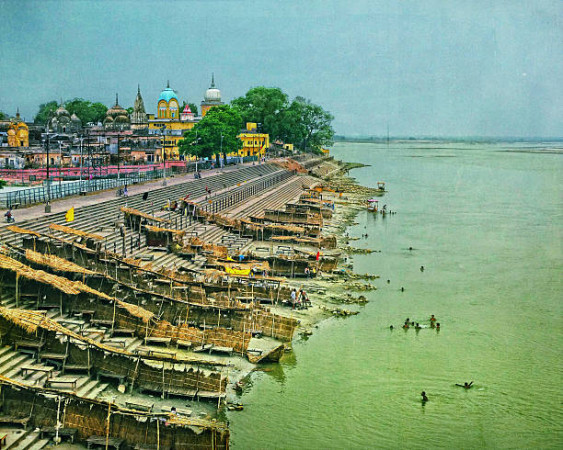
4. Ayodhya
Ayodhya is one of the holiest cities in India. Situated on the banks of the Sarayu River, the city is said to be the birthplace of Lord Rama, the seventh incarnation of Vishnu. Ayodhya is also an important pilgrimage site for Hindus and Jains. The city is known for its many temples, including the Sankat Mochan Hanuman Temple, the Faizabad Jama Masjid and the Imambara. The Ayodhya Museum is also a popular tourist attraction, displaying artefacts from the city's long and illustrious history.
Ayodhya is a beautiful city, with a rich cultural heritage. The temples and shrines are a major draw for tourists, as are the lovely riverbanks. The city is also home to some excellent restaurants, serving up traditional Indian cuisine.
If you're looking for a peaceful and spiritual retreat, Ayodhya is the perfect place to visit. The city is steeped in history and religion, and its temples and shrines are some of the most sacred in India. So if you're looking to experience some of the best that India has to offer, be sure to visit Ayodhya.
History of Ayodhya
Ayodhya is one of the holiest cities in India. According to Hindu mythology, Ayodhya is the birthplace of Lord Rama, the seventh incarnation of Vishnu. Ayodhya is also the home of the Sankat Mochan Hanuman Temple, which is dedicated to Lord Hanuman.
The history of Ayodhya is shrouded in legend and mystery. The city is mentioned in the Ramayana, the Hindu epic poem written by Valmiki. According to the Ramayana, Ayodhya was founded by Manu, the first man created by the gods.
The first recorded mention of Ayodhya was in the 14th century BC, when the city was mentioned in the Arthashastra, a text written by the Indian philosopher Kautilya. Ayodhya was the capital of the Saketa Kingdom, which was ruled by the Shunga dynasty.
In the 6th century BC, the city was conquered by the Aryan king Pushyamitra Shunga. The Shunga dynasty was overthrown by the Mauryan king Ashoka in the 3rd century BC. Ashoka is said to have converted to Buddhism after witnessing the massacre of Buddhist monks in Kalinga.
Ayodhya was the capital of the Kushan Empire in the 2nd century AD. The Kushan Empire was conquered by the Gupta Empire in the 4th century AD. The Gupta Empire was in turn conquered by the Huns in the 5th century AD.
The city was ruled by the Huns until the 7th century AD, when it was conquered by the Rajput king Harshavardhana. The Rajput dynasty was in turn overthrown by the Muslim Delhi Sultanate in the 13th century AD. The Delhi Sultanate was in turn conquered by the Mughal emperor Babur in the 16th century AD. Ayodhya was the birthplace of Babur, the founder of the Mughal dynasty.
The Mughal dynasty was in turn overthrown by the British East India Company in the 18th century AD. Ayodhya was the site of the first battle of the Indian Rebellion of 1857.
Ayodhya is a major pilgrimage site for Hindus. The Sankat Mochan Hanuman Temple is one of the most popular temples in India. The temple is dedicated to Lord Hanuman, the Hindu god who helped Lord Rama rescue his wife Sita from the demon king Ravana.
The Ram Janmabhoomi Temple is another major pilgrimage site in Ayodhya. The Ram Janmabhoomi Temple is dedicated to Lord Rama, the Hindu god who is believed to have been born in Ayodhya.
The dispute over the ownership of the Ram Janmabhoomi Temple is one of the most contentious issues in Indian politics. The Ram Janmabhoomi Temple is currently controlled by the Hindu nationalist organisation Vishwa Hindu Parishad.
Culture of Ayodhya
The culture of Ayodhya is based on Hinduism, which is the predominant religion in the city. However, there is also a significant Muslim population in Ayodhya, and the two communities have coexisted peacefully for centuries.
The culture of Ayodhya is also reflected in its art and architecture. The city is home to some of the most beautiful temples in India, which are decorated with intricate carvings and sculptures.
The people of Ayodhya are warm and hospitable, and they are known for their love of food. The city is famous for its delicious cuisine, which is a blend of Hindu and Muslim flavors.
Ayodhya is a fascinating city with a rich culture that is worth exploring. It is a great place to learn about the Hindu religion and the history of India.
People of Ayodhya
Ayodhya is one of the most ancient and revered cities in India. It is said to be the birthplace of Lord Rama, one of the most popular Hindu deities. The city is located in the state of Uttar Pradesh, in the northern part of the country. The people of Ayodhya are known for their religious fervor and their deep devotion to Lord Rama. The city is home to a number of temples and shrines dedicated to the deity, and the locals are known for their piety and their staunch belief in their faith.
Ayodhya is also a major cultural center in India. The city is known for its traditional music and dance, and for its rich and vibrant culture. The locals are also known for their warm hospitality and for their love of food.
Ayodhya is a major tourist destination in India, and thousands of people visit the city each year to experience its unique culture and to pay homage to Lord Rama. The city is also home to a number of important Hindu festivals, which are celebrated with great enthusiasm by the locals.
The people of Ayodhya are a proud and passionate people, and they are proud to be the birthplace of Lord Rama. They are also proud of their rich cultural heritage, and they are always happy to share their culture with visitors from around the world.
Best time to visit Ayodhya
The best time to visit Ayodhya is during the winter months, from November to February. The weather is cool and pleasant during this time, and the tourist attractions are less crowded.
Places to visit in Ayodhya
Ayodhya, the birthplace of Lord Rama, holds a significant place in the Hindu religion. It is one of the four most sacred pilgrimage sites in India, known as the Char Dham. Situated in the state of Uttar Pradesh, Ayodhya is visited by lakhs of pilgrims every year. The city is known for its temples, ghats and other religious places.
Here is a list of some of the places to visit in Ayodhya:
1. Ram Janmabhoomi: This is the most important place in Ayodhya and one of the most sacred pilgrimage sites in India. It is the birthplace of Lord Rama and the site of the demolished Babri Masjid.
2. Saryu Ghat: This is the most popular ghats in Ayodhya and a favourite spot for pilgrims to take a dip in the holy river Saryu.
3. Hanuman Garhi: This is a famous temple dedicated to Lord Hanuman. It is located on a hilltop and offers a splendid view of the city.
4. Kanak Bhavan: This temple is dedicated to Goddess Sita, the wife of Lord Rama. It is built in the Nagara style of architecture.
5. Tulsi Smarak: This is a memorial dedicated to the great poet Tulsidas, who wrote the epic Ramcharitmanas.
6. Faizabad Road: This is the main road in Ayodhya and is lined with shops and restaurants.
7. Ramkot: This is the fort where Lord Rama is believed to have stayed during his exile. It is located on the banks of the Saryu River.
8. Swarg Dwar: This is the entrance to heaven and is said to be located in Ayodhya.
9. Bharat Milap Mandir: This temple is dedicated to the meeting of Lord Rama
and his brother Bharat.
10. Ram Lalla: This is the idol of Lord Rama that is worshipped at the Ram Janmabhoomi.
Read More
Best Time to Visit :
View Packages 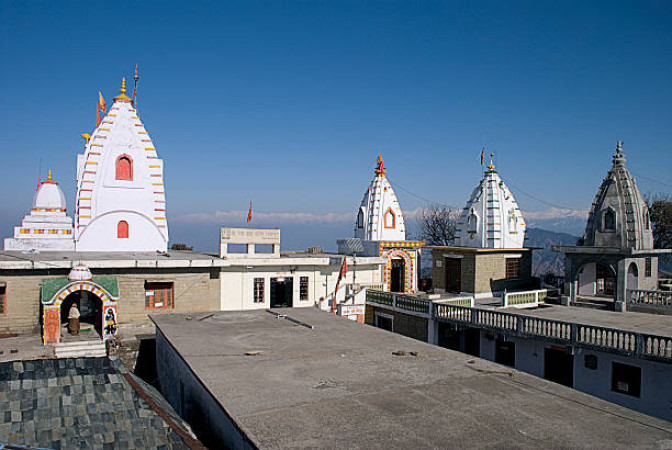
5. Bilaspur
pur is a city and a municipal corporation in Bilaspur district in the Indian state of Chhattisgarh. It is the headquarters of Bilaspur district. As of 2011, the city had a population of 442,898.
The history of Bilaspur is linked with the story of the rise and fall of the Haihaya dynasty. The city was the capital of the Haihaya dynasty, which ruled over central India during the 7th and 8th centuries. The dynasty was founded by Mayura, who was succeeded by his son Simuka. The most famous ruler of the dynasty was Krishna, who is also known as Chandragupta.
The city was originally known as Virat Nagar, which was later renamed Bilaspur after Bilasa, the mother of Krishna. The city was an important center of political and cultural activity during the Gupta period. The city declined after the fall of the Haihaya dynasty and was largely abandoned.
The city was revived in the 18th century by the British East India Company, who made it the headquarters of the Central Provinces. The city was the center of the Indian independence movement and was an important center of trade and commerce. The city is now a major industrial center and is an important center of economic activity in Chhattisgarh.
The economy of Bilaspur is based on agriculture, mining and industry. The city is an important center of agriculture and is the largest producer of rice in Chhattisgarh. The city is also an important center of mining and is the largest producer of coal in Chhattisgarh. The city is also a major center of industry and is home to several large industrial plants, including the National Thermal Power Corporation and the Bharat Aluminium Company.
The city is home to several important tourist destinations, including the ancient temples of Hirakund and Mahamaya. The city is
Read More
Best Time to Visit :
View Packages 
6. Chail
u are looking for a place to get away from the hustle and bustle of city life, then Chail is the place for you. This small town is located in the Shimla district of Himachal Pradesh and is a popular tourist destination.
What to see
There are plenty of things to see and do in Chail. Some of the top attractions include the Chail Palace, the Chail Wildlife Sanctuary, and the Kali Temple.
The Chail Palace is a beautiful palace that was once the residence of the Maharaja of Patiala. It is now a popular tourist attraction and is open to the public.
The Chail Wildlife Sanctuary is a nature reserve that is home to a variety of animals and plants. It is a great place to visit if you want to get away from the city and enjoy some peace and quiet.
The Kali Temple is a Hindu temple that is dedicated to the goddess Kali. It is a popular tourist attraction and is well worth a visit.
How to get there
Chail is located in the Shimla district of Himachal Pradesh. It can be reached by road from Shimla, which is the nearest large
Read More
Best Time to Visit :
View Packages 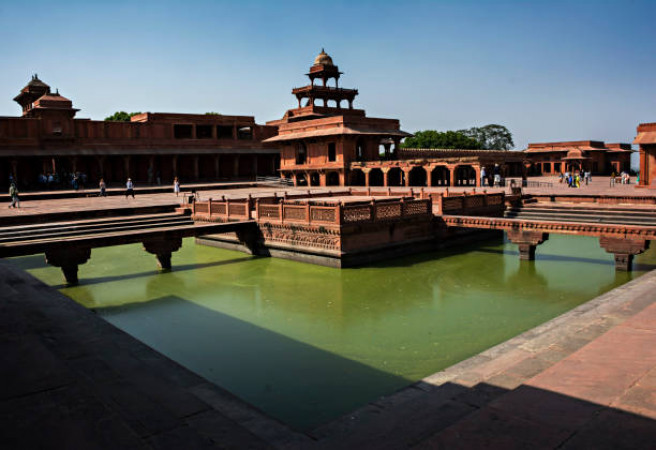
8. Ghaziabad
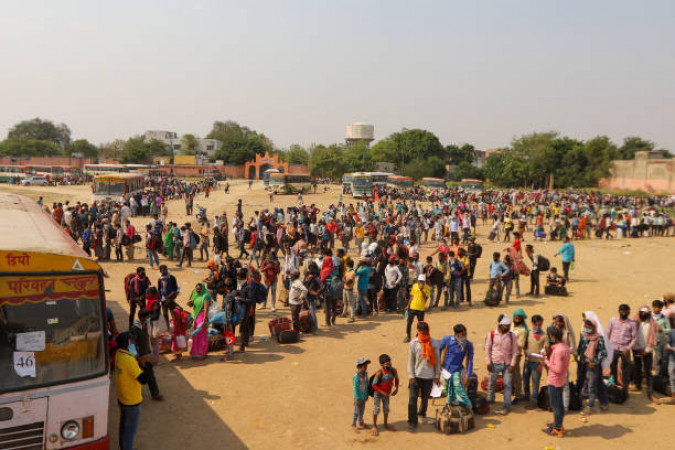
abad is a city in the Indian state of Uttar Pradesh. It is sometimes referred to as the "Gateway of Uttar Pradesh". Ghaziabad is located in the western part of the state and is adjacent to the national capital New Delhi.
The city was founded by the Ghazi-ud-din Haider, the last ruler of the Awadh Dynasty, in 1740. He named it after himself. It is one of the largest industrial centres in Uttar Pradesh. Ghaziabad is noted for its high-quality cotton textiles, metal-working, and pharmaceuticals.
Ghaziabad has a humid subtropical climate with hot summers and cold winters. The average annual rainfall is about 830 mm.
There are several places of tourist interest in Ghaziabad. Some of the popular tourist attractions in Ghaziabad are the Kala Amb fort, the Hindon River, the Agrasen ki Baoli, and the Raj Nagar Extention.
There are several restaurants in Ghaziabad that serve a variety of cuisines. Some of the popular restaurants in Ghaziabad are the Rajdhani, the China Garden, the KFC, and the Subway.
There are several hotels in Ghaziabad that offer a variety of accommodation options. Some of the popular hotels in Ghaziabad are the Radisson Blu, the Park Inn, and the Clarks
Read More
Best Time to Visit :
View Packages 
9. Kota
is a city in Rajasthan, India. It is the administrative headquarters of the Kota district.
Kota is a major coaching centre for students preparing for engineering and medical entrance examinations. It is also an important tourist destination, featuring many palaces, temples and other historical monuments.
The city is served by Kota Air
Read More
Best Time to Visit :
View Packages 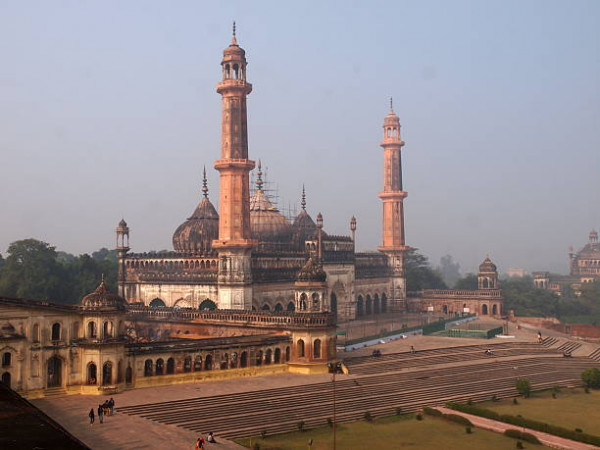
10. Lucknow
ity of Nawabs, Lucknow is a cultural and historical center in the Indian state of Uttar Pradesh. The city is known for its monuments, cuisine, and music.
Lucknow is home to some of the most significant tourist attractions in Uttar Pradesh, including the Bara Imambara, Chota Imambara, and Rumi Darwaza. The city is also known for its traditional cuisine, which is based on Mughlai and Awadhi cuisine. Lucknow is also home to a large number of musical and dance traditions, which are performed at various festivals and ev
Read More
Best Time to Visit :
View Packages 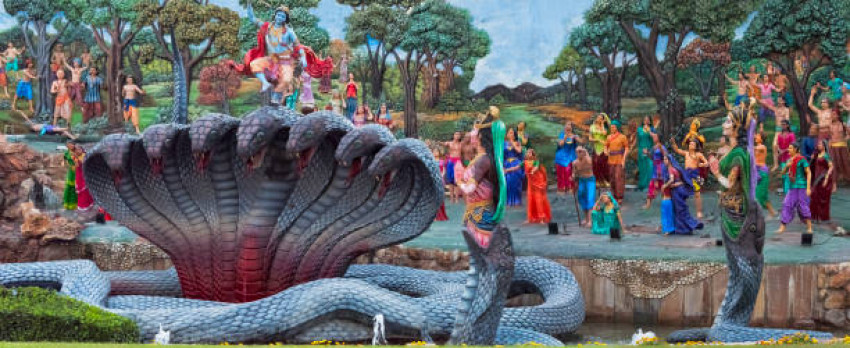
11. Mathura
ra is a small town in the state of Uttar Pradesh in India. It is located about 150 km south-east of Delhi and is considered one of the seven holiest cities of Hinduism. The town is most famous for the Hindu temple of Krishna, who is said to have been born in Mathura. The town is also home to a large number of other temples and is a popular pilgrimage destina
Read More
Best Time to Visit :
View Packages 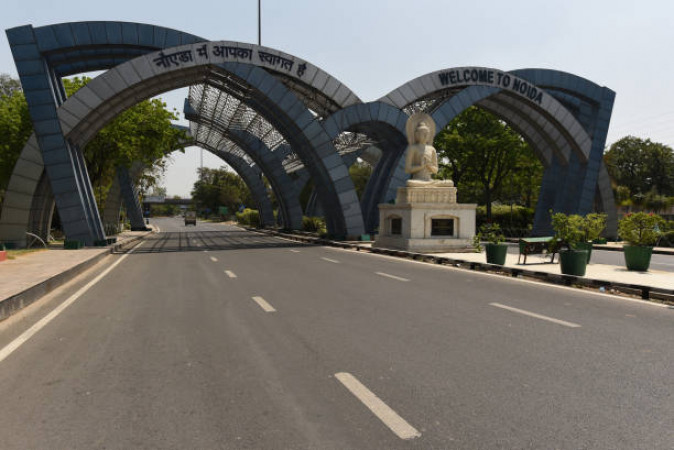
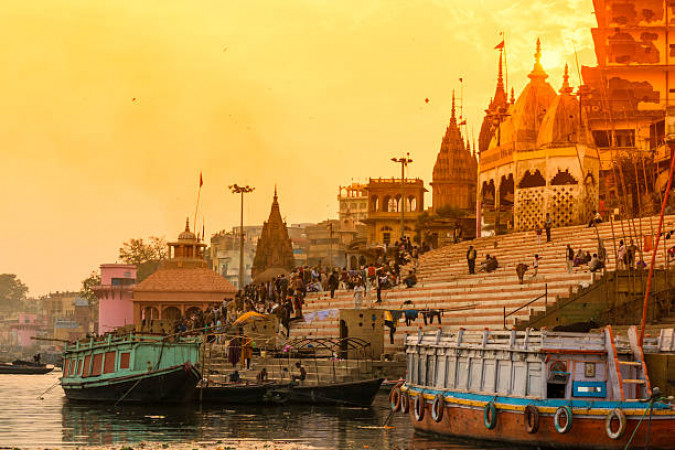
13. Varanasi
Varanasi, the spiritual capital of India, is a city where the living and the dead intersect. Pilgrims come to the city to wash away their sins in the Ganges River, and Hindus believe that dying in Varanasi will release them from the cycle of reincarnation. The city is also home to one of the largest cremation grounds in the world, and the smoke and flames from the funeral pyres can be seen from all over the city.
Despite its macabre associations, Varanasi is a city of great beauty and spirituality. The narrow streets are lined with temples, and the banks of the Ganges are crowded with pilgrims, who come to bathe in the holy river and to perform religious ceremonies. The city is also home to a large Muslim population, and there is a strong sense of religious tolerance and coexistence in Varanasi.
People from all walks of life come to Varanasi to experience its unique atmosphere. Pilgrims and tourists mix with locals who have been living in the city for generations and everyone seems to share a common sense of peace and contentment. Even the funeral pyres provide a certain beauty and serenity, and the people of Varanasi are able to find joy in the midst of death and decay.
Hindus believe that dying in Varanasi absolves a person of all their sins and allows them to achieve moksha, or liberation from the cycle of rebirth. The Ganges is considered to be the most sacred river in Hinduism and Varanasi is located on its banks. The Ganges is said to be the most pure and holy river in the world and is a place of pilgrimage for Hindus. Varanasi is also an important place for Jains. Jains believe that Varanasi is the birthplace of their religion and the most important place in India for pilgrimage. The city of Varanasi is divided into two parts: the old city and the new city. The old city is the more ancient and traditional part of the city and is located on the banks of the Ganges. The new city is the more modern and developed part of the city.
It is also one of the most popular tourist destinations in the country, with its narrow streets and lively markets, sacred temples and ghats (riverfront steps), and stunning views of the river. The city is said to be over 3,000 years old and is home to some of the most important Hindu temples, including the Kashi Vishwanath Temple, the Ganges Riverfront, and the Dashashwamedh Ghat. Varanasi is also one of the most important places for Hindu pilgrimage and is visited by millions of pilgrims each year.
The Dashashwamedh Ghat is the most popular ghat in Varanasi and is where the famous Ganges Aarti is performed each evening. The Ganges Aarti is a religious ceremony in which Hindu priests offer prayers and light candles and lamps on the riverfront steps.
The Manikarnika Ghat is the most sacred ghat in Varanasi and is where Hindus cremate their dead. The Harishchandra Ghat is also popular for cremations and is said to be the place where Hindu king Harishchandra was cremated.
Varanasi is a fascinating city with a rich history and culture. It is a must-see destination for anyone visiting India.
History of Varanasi
Varanasi, also known as Benares, is one of the oldest living cities in the world. It is located on the banks of the Ganges River in the Indian state of Uttar Pradesh. The city has a long and rich history, dating back to at least the 11th century BC. Varanasi is one of the most important pilgrimage sites in India, and is home to many Hindu temples and shrines.
The city of Varanasi was originally known as Kashi. It was mentioned in the Hindu epic poem, the Mahabharata, and is one of the four main sacred cities in India. Varanasi is also mentioned in the Buddhist scriptures.
The city of Varanasi was first mentioned in historical records in the 11th century BC. It was conquered by the Hindu king, Shalivahana, in the late 1st century AD. The city passed to the Muslim ruler, Muhammad bin Tughluq, in the 14th century, and was later conquered by the Mughal emperor, Akbar, in the 16th century.
The city of Varanasi was a center of learning and culture in the medieval period. It was home to many famous Hindu and Buddhist scholars, and was a major center of Islamic culture.
The city was a center of Hindu pilgrimage in the medieval period. It is one of the most important pilgrimage sites in India, and is home to many Hindu temples and shrines. The most famous of these is the Kashi Vishwanath Temple, dedicated to the god Shiva.
The city has been a center of learning and culture for centuries. The city is also home to the Benares Hindu University, the largest university in India.
The Ganges is considered to be the most sacred river in India, and Varanasi is one of the most sacred places on the river. The city is said to be the place where the soul is cleansed of all sins and can achieve moksha, or liberation from the cycle of rebirth.
The city is a major tourist destination, and is visited by millions of pilgrims every year. The city is also home to a large number of industries, and is an important center of trade and commerce.
Culture of Varanasi
Varanasi is one of the oldest living cities in the world. It is located on the banks of the Ganges River in the Indian state of Uttar Pradesh. The culture of Varanasi is very rich and diverse. It is known for its many temples and religious festivals. The people of Varanasi are very proud of their culture and tradition. They are known for their hospitality and for their love of music and dance. The city is home to many famous musicians and dancers.
The temples of Varanasi are a major tourist attraction. The most famous temple is the Kashi Vishwanath Temple, dedicated to the Hindu god Shiva. The temple is located in the heart of the city and is visited by thousands of pilgrims every year. Varanasi is also home to many other famous temples, including the Sarnath Temple, the Durga Temple, and the Bharat Mata Temple.
The city is also known for its many religious festivals, including the the Maha Shivaratri, and the Ganga Mahotsava.
The culture of Varanasi is very rich and unique. It is a fascinating place to visit and a great place to learn about Indian culture and tradition.
People of Varanasi
The people of Varanasi are known for their warmth and hospitality. They are also considered to be very religious, and most of them follow the Hindu religion. The people of Varanasi are very proud of their city and its history, and they are always happy to welcome visitors from around the world.
Best time to visit Varanasi:
The best time to visit Varanasi is during the winter months, from November to February. The weather is cool and pleasant and the crowds are smaller than in the summer months. However, the winter months are also the busiest times of year in Varanasi, so be prepared for large crowds and traffic jams.
If you're looking for a more peaceful experience, consider visiting Varanasi during the monsoon season, from June to September. The city is less crowded and the weather is hot and humid, but the rainy season provides a beautiful backdrop to the city.
Places to visit in Varanasi
1. The Ganges River: The Ganges River is the lifeblood of Varanasi, and is considered to be holy by Hindus. The river is full of religious significance, and is a place where Hindus come to bathe and perform religious ceremonies.
2. The Ghats: The Ghats are a series of steps leading down to the Ganges River, and are a popular spot for tourists and locals alike. The ghats are lined with temples, shrines, and houses, and offer stunning views of the river and the city. The ghats are the heart of Varanasi and are where the majority of the city's activities take place. There are over 100 ghats in Varanasi, most of which are used for religious ceremonies, bathing, and cremating bodies. The most famous ghats are the Dashashwamedh Ghat, the Manikarnika Ghat, and the Harishchandra Ghat.
3. The Bhairo temple: This temple is one of the most popular temples in Varanasi. It is dedicated to Lord Bhairo, an incarnation of Lord Shiva. The temple is situated on the banks of the Ganges River and is said to be over 500 years old.
The temple is visited by thousands of pilgrims every year. It is said that Lord Bhairo grants wishes to those who pray here with faith and sincerity. The temple is also known for its beautiful architecture and intricate carvings.
4. The Vishwanatha Temple: The Vishwanatha Temple is the most famous temple in Varanasi, and is dedicated to Lord Shiva. The temple is a popular spot for pilgrims and tourists, and is known for its intricate carvings.
5. The Banaras Hindu University: The Banaras Hindu University is a world-renowned university located in Varanasi. The university is home to some of India's most prestigious colleges, and is a popular spot for tourists and students.
6. The Silk Weavers' Market: The Silk Weavers' Market is a popular spot for tourists in Varanasi, and is home to some of the city's best silk weavers. The market is a great place to buy silk products, and is full of colorful and vibrant stalls.
7. The Ramnagar Fort: The Ramnagar Fort is a large fort located on the banks of the Ganges River. The fort is home to a number of interesting museums, and is a popular place to visit for its stunning views of the river.
8. The Alamgir Mosque: The Alamgir Mosque is the largest mosque in Varanasi, and is a popular place to visit for its beautiful architecture. The mosque is open to non-
Muslims, and is a great place to learn about Muslim culture.
Read More
Best Time to Visit :
View Packages 
14. Hastinapur
napur is an ancient city in the north Indian state of Uttar Pradesh, about 70 km from Delhi. It is a part of the National Capital Region.
The city was the capital of the Kuru dynasty, whose most famous ruler was King Dharmaraja. The ruins of the city are scattered over an area of around 8 km². Hastinapur is home to several temples and monuments, including the Jain temple complex, the Kurukshetra War Memorial, and the Gautama Buddha Temple.
The nearest airport is the Indira Gandhi International Airport in D
Read More
Best Time to Visit :
View Packages 15. Vrindavan
avan, located in the Mathura district of Uttar Pradesh, is a major Hindu pilgrimage center and a city of temples. It is located about 150 kilometers south-east of Delhi, and is the site of the ancient holy city of Vrindavan, which is mentioned in the Bhagavata Purana.
The city was founded by the saint Chaitanya Mahaprabhu in the 15th century. He is said to have discovered the holy site while in a state of ecstatic love for the Hindu god Krishna. Today, Vrindavan is home to a large number of temples dedicated to Krishna, including the Banke Bihari Temple, the Govind Dev Temple, and the ISKCON Temple.
The city is also a popular destination for Hindu pilgrims, who come to bathe in the Yamuna River and perform religious rituals. Vrindavan is also known for its bazaars, where pilgrims can purchase religious souvenirs and other i
Read More
Best Time to Visit :
View Packages Help & Support
Call Us Now
+91-8069145442