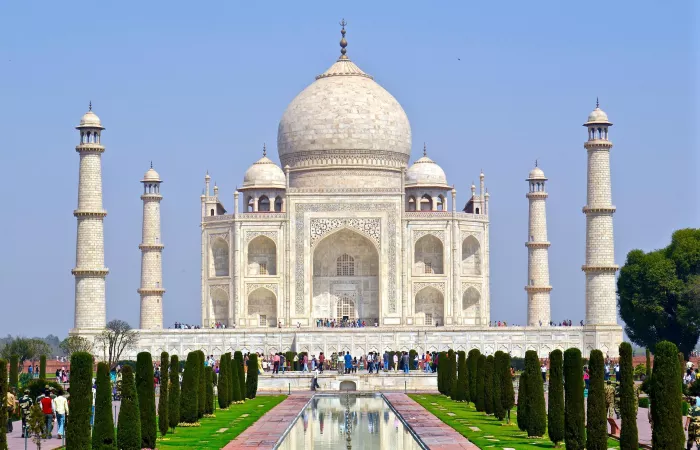
BEST PLACES TO VISIT
Here's a list of 28 Best Places to visit in India
1. Kerala
Kerala, a state situated on the Malabar Coast of southwestern India, is one of the most popular tourist destinations in the country. Its unique culture and natural beauty have made it a much sought-after destination.
Kerala is considered to be one of the most beautiful states in India. The state has a varied topography, with mountains, forests, plains, and coastal regions. The Western Ghats, a mountain range that runs along the western edge of the state, is a major attraction for tourists. The region is known for its tea estates, wildlife, and rain forests. The Western Ghats are also home to a number of popular tourist destinations, including Munnar, Thekkady, and Wayanad.
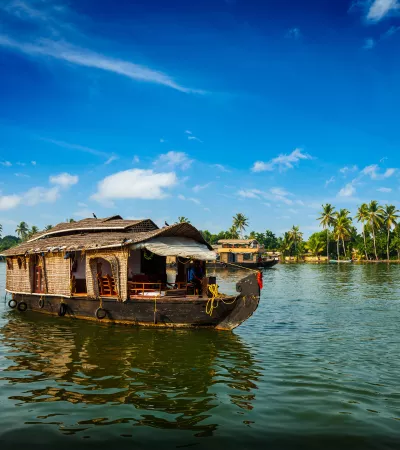
The coastal region of Kerala is known for its beaches and backwaters. The state has more than 900 kilometers of coastline, and its coastal towns and villages are popular tourist destinations. The backwaters of Kerala are a network of interconnected lakes, rivers, and canals that run through the state. The backwaters are a major tourist attraction and are considered to be one of the most beautiful regions of Kerala.
Kerala is also home to a number of cultural attractions. The state has a rich tradition of music, dance, and art, and its temples and palaces are popular tourist destinations. The Kerala State Museum in Thiruvananthapuram is a major attraction for tourists, as is the Hill Palace in Ernakulam.
Kerala is a popular tourist destination for Indian and international tourists. The state's natural beauty, cultural attractions, and varied topography make it a unique and popular destination. Lots of tourists visit Kerala for the famous Ayurvedic treatment.
History of Kerala:
The region of Kerala has a long and eventful history. The earliest settlers in the region were the Neolithic people, who arrived around 4000 BC. The region was then ruled by the Cheras, who controlled a large area of southern India. The Cheras were eventually conquered by the Cholas, who ruled the region for centuries. In the 12th century, the region was conquered by the Muslims, who ruled for several hundred years. In the 18th century, the region was conquered by the British, who ruled until Indian independence in 1947.
Kerala has a rich cultural heritage, which is evident in the architecture, art, and music of the region.
The traditional art of Kerala is known as Kathakali, which is a dance-drama that tells stories from Indian mythology. The architecture of Kerala is characterized by its distinctive rooflines, which are known as "chattris". The music of Kerala is known for its emphasis on rhythm and melody, and is often performed on traditional instruments such as the chenda and the maddalam.
Kerala is also known for its natural beauty. The region is home to some of the most beautiful beaches in the world, as well as some of the tallest mountains in India. The backwaters of Kerala are also a popular tourist destination, and are known for their tranquil beauty.
Culture of Kerala:
Kerala, a state on the southwestern coast of India, is known for its tropical climate, diverse landscape, and rich culture. The culture of Kerala is a blend of Aryan and Dravidian cultures, with a strong Hindu influence. The people of Kerala are warm and hospitable, and the culture is known for its music, dance, and art.
The state of Kerala is made up of many small villages, and the traditional lifestyle is based on agriculture and fishing. Kerala is known for its unique cuisine, which is a blend of Indian and international flavors. The most popular dish is Kerala fish curry, a spicy dish made with fresh fish and coconut milk.
Kerala is also known for its traditional handicrafts, including cloth weaving, metalworking, and wood carving. The most popular art form in Kerala is Kathakali, a dance form that tells stories from Hindu mythology. Kathakali is often performed in traditional costumes made from cloth, metal, and wood.
The culture of Kerala is rich and diverse, and it is a great place to experience traditional Indian culture. The people are warm and welcoming, and the landscape is beautiful. If you're looking for a unique and interesting travel destination, consider Kerala, India.
People of Kerala:
The culture of Kerala is a synthesis of Aryan and Dravidian cultures, developed over millennia, under the influence of traders and religious missionaries. It is a mix of Hinduism, Buddhism, Jainism and Christianity. Kerala is one of the few places in India where women enjoy a high status.
Malayalam, the state's official language, is spoken by the majority of the population. The population of Kerala is around 33 million. Hindus make up around 54% of the population, Muslims around 26%, Christians around 18% and other religions around 2%. Most of the Muslims in Kerala are Sunnis. The Scheduled Castes and Scheduled Tribes together comprise around 19% of the population.
Best time to Visit Kerala:
The best time to visit Kerala is from November to February, when the weather is cool and pleasant. The temperatures range from a maximum of 33 degrees Celsius to a minimum of 15 degrees Celsius. The monsoon season, which extends from June to September, is not the best time to visit Kerala as the weather is hot and humid, and there is a lot of rainfall.
Kerala is a popular destination all year round, and attracts tourists from all over the world. The peak season is from December to March, when the weather is at its best. However, if you are looking for a quieter and more relaxed experience, visit Kerala during the off-season, from April to June, or from September to November.
Here are 10 places you should visit in Kerala:
1. Kumarakom: This small village on the Vembanad Lake is home to a bird sanctuary that is a must-visit for birdwatchers. The Kumarakom Bird Sanctuary is home to a wide variety of birds, including the kingfisher, the stork, and the heron.
2. Munnar: This town is located in the Western Ghats and is known for its tea plantations. Visitors can take a guided tour of a tea plantation to learn about the process of making tea.
3. Thekkady: This town is located in the Periyar Wildlife Sanctuary, which is home to a wide variety of animals, including elephants, tigers, and monkeys. Visitors can take a safari through the sanctuary to see the animals in their natural habitat.
4. Alleppey: This town is known as the “Venice of the East” due to its many canals and waterways. Visitors can take a boat ride through the canals to see the sights and sounds of rural Kerala.
5. Fort Kochi: This 16th-century fort is located in the city of Kochi and is home to many ancient buildings and temples. Visitors can explore the fort and the city’s many other attractions.
6. The Jewish Quarter: This quarter is located in the city of Kochi and is home to the oldest
synagogue in India. The quarter is also home to many other historical buildings.
7. Bekal Fort: This fort is located in the state of Kerala and is one of the largest forts in India. Visitors can explore the fort and its many gardens and temples.
8. Kovalam: This town is located on the Malabar Coast and is known for its beaches. Visitors can relax on the beach or take a swim in the Arabian Sea.
9. Varkala: This town is located in the north of the state of Kerala and is known for its cliffs and beaches. Visitors can relax on the beach or take a hike to the cliffs.
10. Cochin: This city is the commercial hub of Kerala and is home to many ancient temples and forts. Visitors can explore the city’s many attractions or take a trip to the backwaters.
Read More
Best Time to Visit :
View Packages 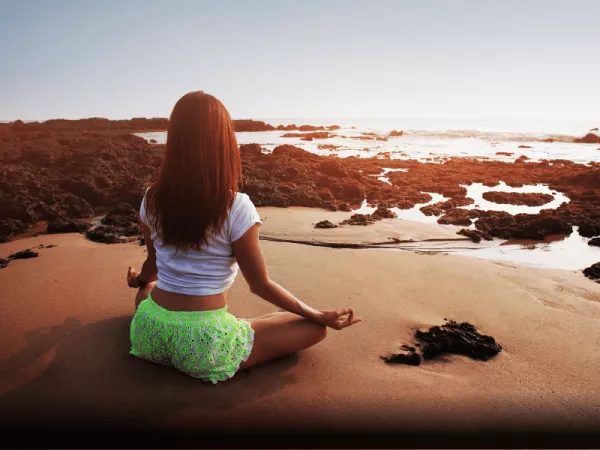
2. Goa
The state of Goa is located in western India and is often referred to as the “Pearl of the Orient”. The state is well-known for its beaches, Portuguese-inspired architecture, and its nightlife. Goa is also a popular destination for religious pilgrims, as there are a number of ancient Hindu temples located in the state.
The capital of Goa is Panaji, which is located on the banks of the Mandovi River. Panaji is a picturesque city and is home to a number of historical churches and monuments. The city is also a popular spot for shopping, as there are a number of markets located in the city.
The beaches of Goa are some of the most popular in India. The most famous beaches in Goa include Anjuna Beach, Calangute Beach, and Baga Beach. These beaches are well known for their stunning scenery and for their nightlife, which is some of the most vibrant in all of India.
Goa is also a popular destination for religious pilgrims. There are a number of ancient Hindu temples located in the state, including the Temple of Lord Mangesh, the Temple of Goddess Shantadurga, and the Temple of Lord Mahadev. These temples are popular among tourists and pilgrims alike and are a must-see for anyone visiting Goa.
Goa was a former Portuguese colony, gained its independence in 1961.Goa has a rich history that is evident in the many ancient temples and churches that are found throughout the state. The state was originally home to the Hindu kingdom of Kadamba. Muslim raiders from North Africa began to attack the state in the 13th century. The Portuguese arrived in the 15th century and eventually conquered the region. The Portuguese ruled Goa for over 400 years, during which time they built many of the state's churches and temples.
In 1961, Goa gained its independence from Portugal and became a part of the Indian Union. The state has since undergone a great deal of development, with the growth of the tourism industry in particular. Goa is now a popular tourist destination, attracting visitors from all over the world.
Culture of Goa
The culture of Goa is a blend of Indian and Portuguese cultures. The Portuguese influence is evident in the architecture, food, music, and fashion. Some of the popular dishes in Goa include vindaloo, sorpotel, and xacuti. The music of Goa is a fusion of Indian and Portuguese music. Some of the popular Goan music genres include fado, choro, and baião. The traditional attire of Goa is a mix of Indian and Portuguese styles. The women wear sarees or ghagra cholis, while the men wear kurtas and trousers. The Portuguese influence is also evident in the festivals celebrated in Goa. Some of the popular festivals in Goa include Carnival, Christmas, and Easter.
People of Goa
The people of Goa are a unique mix of cultures and religions. Hinduism is the predominant religion, followed by Christianity. Portuguese culture has also left its mark on the people of Goa. They are warm and hospitable people, and are known for their love of food and music.
The cuisine of Goa is a mix of Indian and Portuguese cuisine. The most popular dish is vindaloo, a spicy pork dish. Seafood is also popular, especially prawns and crab. Goa is also known for its music, which is a mix of Indian and Portuguese music. The most popular genre of music is Goa trance, which is a mix of electronic music and Indian folk music.
The people of Goa are a friendly and welcoming people, and are known for their love of food and music. Their unique mix of cultures and religions makes them a fascinating people to explore.
Best time to Visit Goa
The best time to visit Goa is from October to March. The weather is pleasant and the tourist season is in full swing. There are numerous festivals and events taking place during this time. The beaches are crowded but the vibe is upbeat and festive. April to September is the monsoon season and the weather is hot and humid. Most of the restaurants and bars close down during this time.
Top places to visit in Goa
Goa is a state in western India with coastlines on the Arabian Sea and the Bay of Bengal. It's known for its beaches, temples, and churches. Old Goa, a city founded in the early 16th century, is home to St. Francis Xavier’s tomb and numerous churches, including the Basilica of Bom Jesus, a UNESCO World Heritage Site. North Goa is famed for its nightlife, while South Goa is popular for its beaches and resorts.
1. Goa Beaches : Goa is world famous for its beaches. The coastline of Goa stretches for 103 km, and is dotted with numerous golden sand beaches, lying in the shadow of the Western Ghats. The most famous beaches in Goa are Calangute, Anjuna, Vagator, Baga, and Arambol. These beaches offer plenty of opportunities for swimming, sunbathing, windsurfing, and sailing.
2. Fort Aguada : The Fort Aguada is a seventeenth century Portuguese fort, located on a cliff overlooking the Mandovi River. The fort is well preserved and is today a popular tourist destination. The fort has a number of interesting features, including a prison, a lighthouse, and a chapel.
3. Basilica of Bom Jesus : The Basilica of Bom Jesus is a UNESCO World Heritage Site and one of the most important churches in Goa. The church is famous for its statue of Jesus Christ, which is said to be made of solid silver.
4. Churches of Goa : The churches of Goa are some of the most beautiful in India, if not the world. They are all built in the Portuguese style, with white walls and tall spires. Many of them are centuries old, and they hold a special place in the hearts of the people of Goa.
The most famous of the churches of Goa is the Basilica of Bom Jesus, which is said to contain the remains of St. Francis Xavier. It is a popular pilgrimage site, and it is always crowded with people.
Other notable churches in Goa include the Se Cathedral, the Church of Our Lady of the Immaculate Conception, and the Church of St. Cajetan. All of them are worth visiting, and they provide a glimpse into the rich history of this beautiful state in India.
Top tips for a great trip to Goa:
1. Make a list of the places you want to visit in Goa. This will help you plan your trip better.
2. Rent a car or bike to explore the different areas of Goa.
3. Book your accommodation in advance to avoid any last-minute rush.
4. Try out different cuisines while you are in Goa. The food here is amazing!
5. Spend some time at the beach. Goa is known for its beautiful beaches.
6. Explore the nightlife in Goa. There are many pubs and clubs where you can party all night long.
7. Shop till you drop. Goa is a great place to buy souvenirs.
8. Take a trip to the nearby villages and explore the culture of Goa.
9. Relax and enjoy the natural beauty of this place.
Read More
Best Time to Visit :
View Packages 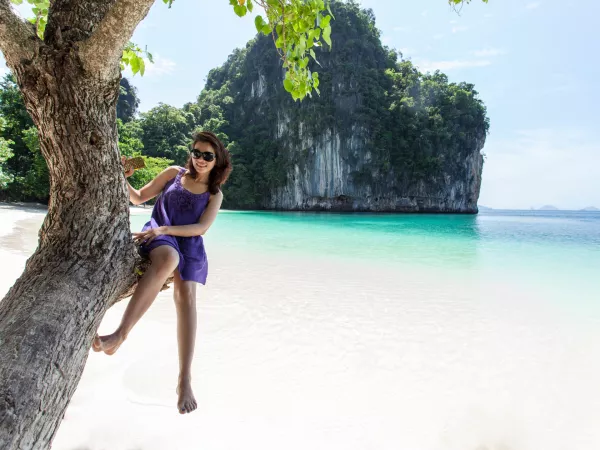
3. Andaman
Andaman and Nicobar Islands are a Union Territory of India. The territory is located in the Bay of Bengal. The territory is made up of two island groups, the Andaman Islands and the Nicobar Islands. The capital of the Union Territory is Port Blair. The total area of the territory is 8,249 km². The territory has a tropical rainforest climate.
The population of the Andaman and Nicobar Islands is estimated at 419,978 in 2022. The majority of the population is concentrated in the Andaman Islands. The main languages spoken in the Andaman and Nicobar Islands are Bengali, Hindi, Tamil, Telugu, and Malayalam.
The first inhabitants of the Andaman and Nicobar Islands were the Negritos. The islands were discovered by the British in 1788. The British used the islands as a penal colony. The first prisoners were sent to the islands in 1789. The Cellular Jail was built in Port Blair in 1906. The jail was used to house political prisoners. The jail was closed in 1947.
The Andaman and Nicobar Islands became a Union Territory of India in 1956. The first Indian administrators were appointed in 1957. The first elections were held in 1963. The first Chief Minister of the Union Territory was Lt. General A.K. Singh. The first Lieutenant Governor of the Union Territory was Dr. A.P.J. Abdul Kalam.
History of Andaman
Andaman and Nicobar Islands are a chain of 572 islands, islets and rocks spread over an area of 8,249 sq km in the Bay of Bengal. Of these, only 38 are inhabited. The Andaman Islands are located in the eastern part of the Bay of Bengal, about 1,200 km from the Indian mainland. The Nicobar Islands are located in the southern part of the Bay of Bengal, about 1,600 km from the Indian mainland.
The Andaman and Nicobar Islands are believed to have been inhabited for several thousand years and there is evidence of human habitation from about 2,300 years ago. The first recorded mention of the islands is in the Arakanese chronicles of the 14th century.
The islands were first visited by the British in 1789 and were subsequently occupied by the British in 1790. The British used the islands as a penal colony and the first prisoners were sent to the Andamans in 1793. The Cellular Jail or Kala Pani was built in Port Blair in 1906 to house the prisoners.
The islands were transferred from the British to the Indian government in 1956. The Andaman and Nicobar Islands are now a Union Territory of India.
The islands are home to a variety of flora and fauna. The Jarawa and the Sentinelese tribes who inhabit the islands are among the last remaining hunter-gatherer tribes in the world. The islands are also home to a variety of animals, including the Andaman wild boar, the dugong and the saltwater crocodile.
Culture of Andaman
The culture of Andaman is unique and one of a kind. It is a blend of different cultures and traditions. The people of Andaman are simple and friendly. They are known for their warm hospitality. The culture of Andaman is deeply rooted in the traditions and customs of the people.
The Andamanese people are the original inhabitants of the Andaman and Nicobar Islands. They are a tribal people and belong to the Negrito group. They are a hunter-gatherer people and their culture is based on the principles of mutual respect and cooperation. They live in harmony with nature and believe in the principle of sustainable development.
The culture of Andaman is based on the principles of community living. The people are closely knit and share a strong sense of community. They are known for their sense of humor and love of laughter. They enjoy music and dance and their festivals are a joyous occasion.
The Andamanese people are skilled craftsmen and their handicrafts are popular all over the world. They are also expert fishermen and their seafood is a delicacy. The culture of Andaman is a rich and colorful tapestry, woven with the threads of tradition, community, and cooperation. It is a culture that is based on the values of simplicity, friendship, and respect for nature.
Best time to Visit Andaman
The best time to visit the Andaman and Nicobar islands is during the cooler season, from November to February. The days are cool and the nights are cold, and the rains have usually stopped. This is the time when the islands are at their most beautiful, with the green forests and the blue seas.
Top places to visit in Andaman
The Andaman Islands are an archipelago of around 350 islands, the majority of which are uninhabited. The islands are located in the Andaman Sea, between India and Myanmar. The Nicobar Islands are an archipelago of around 572 islands, the vast majority of which are uninhabited. The islands are located in the Nicobar Sea, between India and Indonesia.
The Andaman and Nicobar Islands are a popular tourist destination. The islands offer a range of tourist attractions, including beaches, forests, wildlife, and historical and cultural sites. Some of the top places to visit in the Andaman and Nicobar Islands include:
1. Havelock Island: Havelock Island is one of the most popular tourist destinations in the Andaman and Nicobar Islands. The island is known for its beaches, including Radhanagar Beach, which is often ranked as one of the best beaches in the world.
2. Ross Island: Ross Island is a former British settlement located in the Andaman Islands. The island is now a popular tourist destination, known for its historical ruins and its wildlife.
3. Viper Island: Viper Island is a small island located in the Andaman Islands. The island is known for its historical lighthouse, which is the oldest lighthouse in the Andaman and Nicobar Islands.
4. Neil Island: Neil Island is a small island located in the Andaman Islands. The island is known for its beaches, including Bharatpur Beach, which is a popular spot for swimming.
5. Diglipur: Diglipur is a town located in the north of the Andaman Islands. The town is known for its beaches, including Kalapathar Beach, which is a popular spot for swimming and surfing.
6. Campbell Bay: Campbell Bay is the capital of the Nicobar Islands. The town is known for its beaches, including Nancowry Beach, which is a popular spot for swimming.
7. Car Nicobar: Car Nicobar is the largest island in the Nicobar Islands. The island is known for its beaches, including Katchal Beach, which is a popular spot for swimming and surfing.
8. Mayabunder: Mayabunder is a town located in the north of the Andaman Islands. The town is known for its beaches, including Avis Island Beach, which is a popular spot for swimming.
9. Little Andaman: Little Andaman is the largest island in the Andaman Islands. The island is known for its beaches, including Hut Bay Beach, which is a popular spot for swimming and snorkeling.
10. Baratang: Baratang is a town located in the south of the Andaman Islands. The town is known for its limestone caves, including the Baratang Caves, which are a popular tourist destination.
Andaman Travel Tips
Here are some tips for traveling to this beautiful destination:
1. The best time to visit is from November to February, when the weather is cool and dry.
2. The currency is Indian rupees, and there are no ATMs on the islands, so be sure to bring enough cash.
3. There are no banks or currency exchange offices on the islands, so be sure to exchange your money before you leave.
4. The official language is Hindi, but English is also widely spoken.
5. The electric current is 220 volts, so be sure to bring an adapter if you need one.
6. There is no malaria on the islands, but there is a risk of dengue fever, so be sure to bring mosquito repellent.
7. The roads on the islands are narrow and winding, so be careful when driving.
8. There are no taxis on the islands, so be prepared to walk or take a bicycle.
9. The beaches are beautiful, but the water can be quite rough, so be careful when swimming.
10. The locals are friendly and welcoming, so be sure to enjoy the local culture and cuisine.
Read More
Best Time to Visit :
View Packages 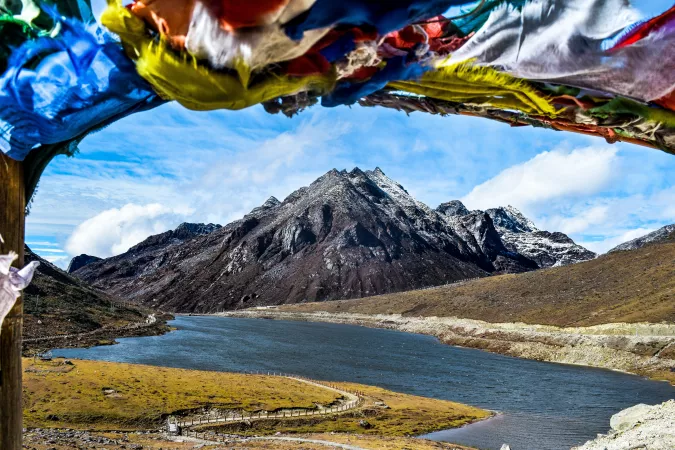
4. Arunachal Pradesh
Situated in the northeastern part of India, Arunachal Pradesh is a land of serenity and pristine natural beauty. The state is blessed with lush green mountains, deep gorges, rushing rivers, and verdant valleys. Arunachal Pradesh is also home to a number of rare and endangered wildlife species.
Some of the places to see in Arunachal Pradesh are:
1. Tawang Monastery: Tawang Monastery is the largest monastery in India and one of the largest in the world. The monastery is situated in the Tawang district of Arunachal Pradesh.
2. Nuranang Falls: Nuranang Falls is a stunning waterfall located in the Tawang district of Arunachal Pradesh. The waterfall is 100 meters high and is one of the most popular tourist attractions in the state.
3. Bomdila: Bomdila is a picturesque town located in the West Kameng district of Arunachal Pradesh. Bomdila is known for its beautiful views of the Himalayan mountains and its rich Buddhist culture.
4. Ziro: Ziro is a small town located in the Lower Subansiri district of Arunachal Pradesh. The town is famous for its scenic beauty and is a popular tourist destination.
5. Itanagar: Itanagar is the capital city of Arunachal Pradesh. The city is located in the foothills of the Himalayan mountains and is home to a number of tourist attractions.
Read More
Best Time to Visit :
View Packages 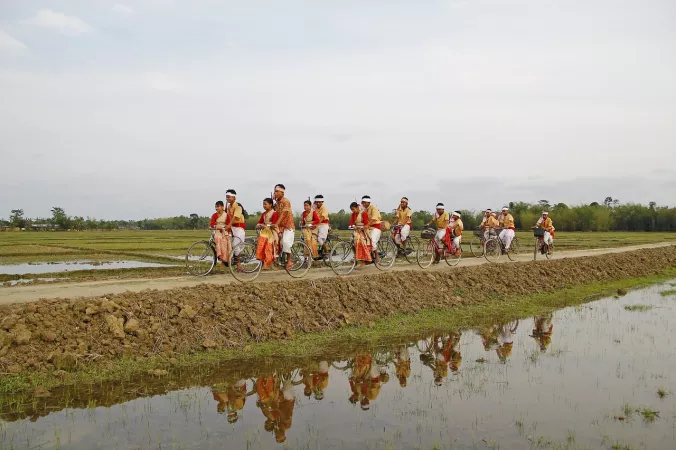
5. Assam
The northeastern Indian state of Assam is known for its tea plantations, wildlife, and Hindu temples. The Brahmaputra River flows through the state, which is also home to the world’s largest river island, Majuli. Assam is a popular tourist destination, with attractions including the Kaziranga National Park, where visitors can see one-horned rhinoceroses, and the Kamakhya Temple, dedicated to the Hindu goddess Kamakhya.
The state of Assam is located in northeastern India and is bordered by the states of Arunachal Pradesh, Nagaland, Manipur, Mizoram, and Tripura, as well as by the countries of Bhutan and Bangladesh. The Brahmaputra River flows through the state from east to west, and the state is home to the world’s largest river island, Majuli, which is located in the Brahmaputra River. Assam is also home to the Kaziranga National Park, which is a popular tourist destination due to its wildlife, including one-horned rhinoceroses. Other popular tourist destinations in Assam include the Kamakhya Temple, which is dedicated to the Hindu goddess Kamakhya, and the Srimanta Sankardeva Kalakshetra, a center for the performing arts.
The state of Assam is ethnically and linguistically diverse, with more than 30 languages spoken in the state. The majority of the population in Assam is Hindu, followed by Muslim and Christian. The cuisine of Assam is also diverse, with dishes including fish cooked in mustard oil, curries made with bamboo shoots and black lentils, and desserts made with rice flour and coconut milk.
The state of Assam is home to a number of industries, including tea plantations, oil and natural gas production, and forestry. The tea plantations in Assam are some of the largest in the world and the tea gardens are a major tourist attractions.The capital is Dispur and the largest city is Guwahati. The official languages are Assamese and Bengali. The major languages are Assamese, Bengali, and Bodo.
There are many other tourist attractions in Assam, including the Kaziranga National Park, the Manas National Park, the Nameri National Park, the Majuli Island, and the Kamakhya Temple.
Culture of Assam
The culture of Assam is unique and diverse. It is a mix of the cultures of the indigenous Assamese people, the Bengali people and other groups who have migrated to the state over the centuries.
The Assamese people are the original inhabitants of the state and their culture is based on Hinduism. The Bengali people are the second largest group. There are also many other groups who have migrated to Assam over the centuries, including people from other parts of India, Nepal and Bangladesh. Each of these groups has contributed to the diversity of Assam's culture.
The culture of Assam is based on its traditional values and customs. The Assamese people are known for their hospitality and warmth. They are also known for their love of music, dance and nature. The Bengali people are known for their passion for food and culture. They have also contributed to the development of Assam's arts and culture.
The culture of Assam is also marked by its festivals. The biggest festival is the Bihu festival, which is celebrated in January/February. Other major festivals include the Durga Puja festival, the Eid al-Fitr festival and the Christmas festival.
The culture of Assam is rich and diverse. It is a mix of the cultures of the indigenous Assamese people, the Bengali people and other groups who have migrated to the state over the centuries. The Assamese people are known for their hospitality and warmth. They are also known for their love of music, dance and nature. The Bengali people are known for their passion for food and culture. They have also contributed to the development of Assam's arts and culture.
Assam is one of the most beautiful states in India. It is home to the mighty Brahmaputra River and the world's largest tea plantation. There are plenty of places to visit in Assam, and each offers its own unique charm and beauty..
Best time to visit in Assam
The best time to visit Assam is during the winter, from November to February. However, the summer months (from March to May) are also a good time to visit, as the temperatures are cooler than in other parts of India.
Here are some of the best places to visit in Assam
1. Majuli – This is the world's largest river island and a popular tourist destination. The island is home to a variety of cultures and offers plenty of scenic beauty.
2. Kaziranga National Park – This is one of the most popular national parks in India. It is home to the world's largest population of rhinoceroses.
3. Sivasagar – This historical town is home to a number of temples and palaces. It is also known for its traditional Assamese architecture.
4. Dibrugarh – This is the largest city in Assam and is home to the world's largest tea plantation. The city is also rich in culture and history.
5. Nameri National Park - This park is known for its diverse wildlife, including elephants, leopards, and bears.
6. Guwahati - This city is the capital of Assam and is a major transportation hub for the region. It is also home to several temples and museums.
Read More
Best Time to Visit :
View Packages 
6. Bihar
Bihar is a state in eastern India. It is the 12th-largest state in India, with an area of 94,163 km². The third-largest state in India by population, it is contiguous with Uttar Pradesh to its west, Nepal to its north, and Jharkhand to its south. The state capital is Patna.
Bihar is a diverse and densely populated state of India, home to a variety of religions, dialects, and cultures. Hindi is the official language of the state, but Bihari is also widely spoken. The majority of the population is Hindu, but there is a significant Muslim population, as well as smaller Sikh, Christian, and Jain populations.
The culture of Bihar is a blend of Hindu and Muslim cultures, with significant indigenous elements. The traditional folk arts of the state include painting, woodcarving, and weaving. The cuisine of Bihar is strongly influenced by the Hindu and Muslim cultures, with a focus on dairy products and vegetables. The state is also known for its strong liquor tradition, with the popular Bihari liquor, rakshi, being a key part of the culture.
Bihar is a mostly rural state with a significant agricultural economy. The main crops are rice, wheat, maize, and pulses. The state has a large number of industries, including agriculture, food processing, textiles, and chemicals. Tourism is also an important part of the economy, with attractions including the ancient Hindu and Buddhist temples, the Ganges River, and the wildlife sanctuaries.
Read More
Best Time to Visit :
View Packages 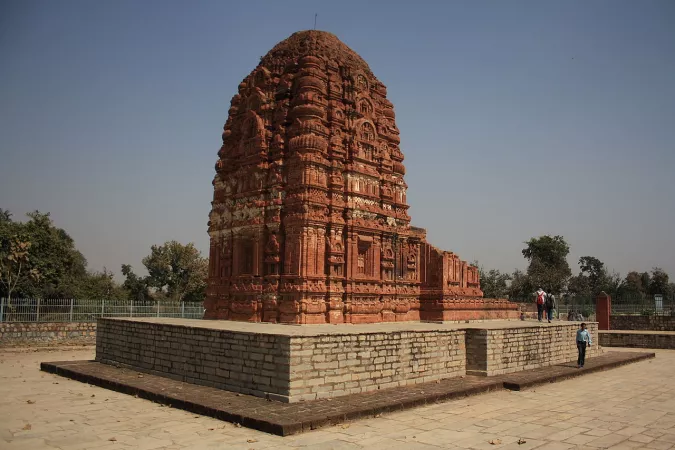
7. Chhattisgarh
Chhattisgarh, located in the heart of India, is a state that is rich in natural resources and cultural heritage. The state is known for its scenic beauty, temples, waterfalls and forests. Chhattisgarh offers a variety of tourist destinations that are worth exploring.
The capital of Chhattisgarh is Raipur and the largest city is Bilaspur. The state is divided into 18 districts. Some of the popular tourist destinations in Chhattisgarh are:
1. Raipur: Raipur is the capital of Chhattisgarh and is a major commercial and industrial center. The city is known for its temples, parks and gardens. Some of the popular tourist attractions in Raipur are the Mahakali Temple, the State Museum, the Nandan Van Park and the Shri Sankaracharya Mandir.
2. Bilaspur: Bilaspur is the largest city in Chhattisgarh and is a major commercial and industrial center. The city is known for its temples, waterfalls and forests. Some of the popular tourist destinations in Bilaspur are the Chitrakoot Falls, the Kanker Palace, the Bastar Palace and the Danteshwari Temple.
3. Jagdalpur: Jagdalpur is the district headquarters of Bastar district and is known for its natural beauty, temples and waterfalls. Some of the popular tourist destinations in Jagdalpur are the Kanger Valley National Park, the Tirathgarh Waterfalls, the Bade Ganeshji Temple and the Danteshwari Temple.
4. Korba: Korba is a major industrial center in Chhattisgarh and is known for its temples and waterfalls. Some of the popular tourist destinations in Korba are the Chitrakoot Falls, the Hanuman Temple and the Kukkuteshwari Temple.
Read More
Best Time to Visit :
View Packages 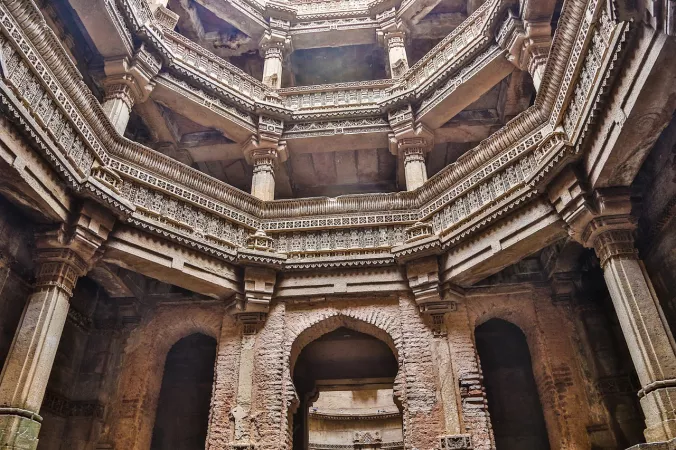
8. Gujarat
Gujarat is a state in western India with an area of 196,024 square kilometers (75,685 sq mi) and a population of 60,383,628 (2011 census). It is bordered by Rajasthan to the north, Maharashtra to the south, Madhya Pradesh to the east, and the Arabian Sea and Pakistan to the west. The state capital is Gandhinagar, while the largest city is Ahmedabad. Gujarat is home to the Gujarati people, who speak Gujarati, a language of the Indo-Aryan branch of the Indo-European language family.
The first mention of the name "Gujarat" is in a 9th-century inscription of a merchant named Jainal, who hailed from 8th-century Kannauj. The inscription refers to the region as Gurjaratra, which was ruled by the Gurjara-Pratihara dynasty. In this inscription, the region is referred to as a "thakuradhipati" (lord of the region).
The Gurjara-Pratiharas were a dynasty of Hindu kings who ruled much of northern and central India from the 6th to the 11th centuries. The Gurjara-Pratiharas were instrumental in resisting the Muslim incursions into India, and they ruled Gujarat as a virtually independent state.
Gujarat was also the site of the 10th-century Solanki dynasty, which controlled much of western and central India. The Solankis were a Hindu dynasty that ruled Gujarat from 960 to 1243. They were the first dynasty to build a temple to the sun god Surya in the city of Modhera.
Gujarat was also the home of the Maitraka dynasty, which ruled Gujarat from 475 to 767. The Maitrakas were a Buddhist dynasty, and the first to introduce the religion of Buddhism to Gujarat.
Read More
Best Time to Visit :
View Packages 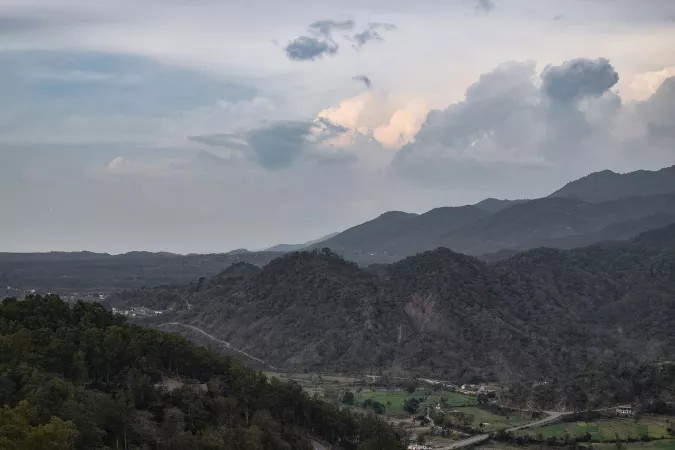
9. Haryana
Haryana is a north Indian state with its capital in Chandigarh. It shares borders with Punjab to the west, Himachal Pradesh to the north and Uttar Pradesh to the east.
The state has a total area of 44,212 km² and a population of over 25 million. It is predominantly an agricultural state with wheat, rice, cotton and sugarcane being the main crops.
There are a number of tourist attractions in Haryana. The most popular are the ancient temples and forts. The state has many temples that are over 1,000 years old. These include the Sun Temple at Konark, the Jagannath Temple at Puri and the Brihadeeswarar Temple at Thanjavur.
There are also a number of forts in Haryana. The most famous is the Red Fort in Delhi, which was built by the Mughal Emperor Shah Jahan. Other forts include the Qila Rai Pithora in Delhi, the Chittorgarh Fort in Rajasthan and the Rohtasgarh Fort in Bihar.
Haryana is also home to a number of national parks and wildlife sanctuaries. The most famous is the Ranthambore National Park in Rajasthan, which is home to a large population of tigers. Other national parks and sanctuaries in Haryana include the Sultanpur National Park, the Asola Bhatti Wildlife Sanctuary and the Birbal Sahni Wildlife Sanctuary.
There are also a number of places of historical and cultural interest in Haryana. These include the city of Chandigarh, which was designed by the Swiss architect Le Corbusier, and the city of Fatehpur Sikri, which was built by the Mughal Emperor Akbar.
Read More
Best Time to Visit :
View Packages 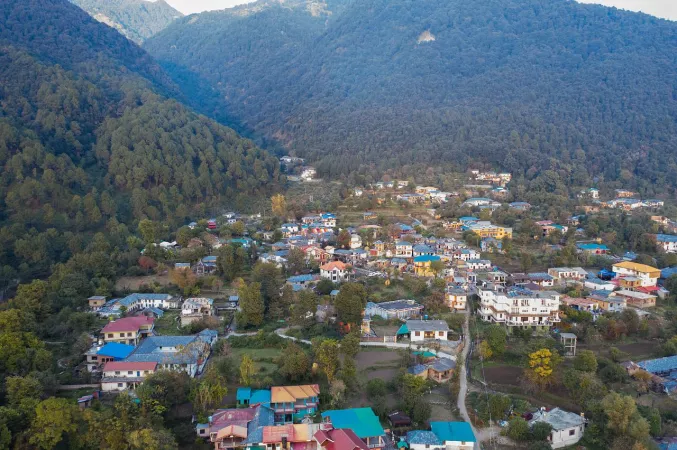
10. Himachal Pradesh
Himachal Pradesh is one of the most beautiful states in India. The name Himachal Pradesh means "snow-capped mountains" in Hindi. It is known for its natural beauty, serene surroundings, and picturesque landscapes. The state is located in the western Himalayas and is bordered by Jammu and Kashmir to the north, Uttarakhand to the east, and Punjab to the south.
The state is home to some of the most popular tourist destinations in India, including Shimla, Dharamsala, Manali, and Spiti and many more. Shimla, the state capital, is a popular hill station and is known for its colonial-era architecture and natural scenery. Dharamsala is the home of the Dalai Lama and is a popular destination for Buddhist pilgrims. Manali is a popular tourist spot for its snow-capped mountains and rugged terrain, and Spiti is a remote Himalayan valley known for its Buddhist monasteries and ancient villages.
Himachal Pradesh is also home to a number of Hindu temples and pilgrimage sites, including the ancient Hindu temple of Kedarnath and the Sikh shrine of Hemkunt Sahib. The state is also known for its apple orchards and is a popular destination for winter sports.
Himachal Pradesh is a beautiful and serene state with some of the most picturesque landscapes in India. Himachal Pradesh is also home to a number of Hindu temples and pilgrimage. The state is a popular destination for winter sports.
History of Himachal Pradesh
The Himalayas, a mountain range in Asia, run through the state of Himachal Pradesh. Himachal Pradesh is a northern state in India. The region that is now Himachal Pradesh has seen the rise and fall of many civilizations.
This region has a rich and varied history that spans over 10,000 years. The first inhabitants of the region were the Dasyus, who were followed by the Aryans. The region was then ruled by the Mauryan Empire, the Gupta Empire, the Katyuri Dynasty, and the Chamba Kingdom. In 1815, the British East India Company annexed the region into the Sikh Empire. The region eventually became a part of India after independence in 1947.
Culture of Himachal Pradesh
The culture of Himachal Pradesh is unique and diverse. It is a blend of Hindu and Tibetan cultures. The Himachali culture is based on the principle of 'ubuntu', which means "I am because we are." This philosophy emphasizes the importance of community and interconnectedness. Himachalis are known for their strong sense of community and for their willingness to help others.
Himachal Pradesh is one of the most beautiful states in India. The culture of Himachal Pradesh is rich and varied. The people are also friendly and warm. They are known for their hospitality. The culture of Himachal Pradesh is based on the Hindu religion. They celebrate many festivals throughout the year. Some of the most popular festivals are Dussehra, Diwali, Holi and Christmas. The food of Himachal Pradesh is also very popular. The most popular dishes are rajma chawal, kadi, daal bhath, aloo gobi and channa masala.
People of Himachal Pradesh
The people of Himachal Pradesh are warm and hospitable. They are known for their love of music and dance. The men are known for their skills in carpentry, weaving and metalwork. The women are known for their skills in embroidery and spinning.The people of Himachal Pradesh are a unique and diverse group. They are known for their strong sense of community, and their love of nature and the outdoors. Himachalis are hardworking and self-reliant, and they take great pride in their traditions and culture.
Himachal Pradesh is a beautiful and diverse state, and the people who live there are a proud and unique group. If you're looking for an adventure, and you want to experience the culture and traditions of the Himalayas, then Himachal Pradesh is the place for you.
Best time to visit Himachal Pradesh
The best time to visit Himachal Pradesh is from September to June. The weather is pleasant and the tourist destinations are not too crowded. You can enjoy the natural beauty of the state and also go for some adventure sports.
Top places to visit in Himachal Pradesh
Himachal Pradesh is a state in north-western India and is home to some of the most beautiful places in the country. From the snow-capped Himalayas in the north to the lush green foothills in the south, Himachal Pradesh is a nature lover’s paradise. Here are some of the top places to visit in Himachal Pradesh:
1. Shimla: The capital of Himachal Pradesh, Shimla is a popular tourist destination. With its colonial-era architecture and stunning mountain views, Shimla is a must-see destination in Himachal Pradesh.
2. Dharamsala: Dharamsala is home to the Dalai Lama and is a major centre of Tibetan culture in India. The city is also a popular tourist destination, with its beautiful mountain scenery and many temples and monasteries.
3. Manali: Manali is a popular hill station in Himachal Pradesh and is a popular destination for adventure sports enthusiasts. The city is surrounded by snow-capped mountains and offers many opportunities for hiking and skiing.
4. Kullu: Kullu is a scenic town in the Kullu Valley and is a popular destination for those looking for a quiet and peaceful getaway. The town is surrounded by forests and is home to many temples and monasteries.
5. Dalhousie: Dalhousie is a popular hill station in Himachal Pradesh and is known for its beautiful colonial-era architecture. The town is also home to many temples and is a popular destination for those looking for a quiet and peaceful getaway.
6. Chamba: Chamba is a scenic town in the Chamba Valley and is home to many ancient temples and monuments. The town is also a popular destination for those looking for a quiet and peaceful getaway.
7. Palampur: Palampur is a town in the Kangra Valley and is known for its tea plantations. The town is also home to many temples and is a popular destination far from the madding crowd.
8. Parwanoo: Parwanoo is a town in the Solan district of Himachal Pradesh and is a popular destination for weekends. The town is surrounded by forests and is home to many temples and monasteries.
9. Narkanda: Narkanda is a popular ski resort in Himachal Pradesh and is a popular destination for those looking for a winter getaway. The town is surrounded by snow-capped mountains and offers many opportunities for skiing and snowboarding.
10. The Himalayas: The Himalayas are a range of snow-capped mountains in northern India and are a popular destination for those looking for adventure sports. The Himalayas are home to many popular ski resorts and offer many opportunities for hiking and camping.
Travel Tips to visit Himachal Pradesh
1. When planning your trip, try to time it so that you can visit during the peak season. The months of April to June and September to November are the most popular times to visit, as the weather is mild and the scenery is at its most beautiful.
2. Make sure you have all the necessary permits and paperwork in order before you travel. Foreign nationals will need a visa, and you will need to obtain a permit to visit certain areas of the state.
3. Himachal Pradesh is a mountainous state, so be prepared for some challenging driving. Rent a car with good suspension and ample ground clearance to make the most of your trip.
4. When traveling in Himachal Pradesh, be aware of the altitude. Many areas of the state are at high altitude, so take it easy when you first arrive and drink plenty of fluids to avoid altitude sickness.
5. Himachal Pradesh is home to some of the best mountain biking trails in the country. If you're a fan of cycling, be sure to pack your bike and explore the many scenic routes on offer.
6. One of the best ways to experience the beauty of Himachal Pradesh is to take a hike. There are some excellent trails to be found in all parts of the state, so be sure to pack your walking boots.
7. Make sure you pack plenty of warm clothes, as the temperatures can drop dramatically at night. Himachal Pradesh is also known for its rain and snow, so pack a good waterproof jacket and a warm hat and gloves.
8. If you're looking to sample some of the local cuisine, be sure to try the traditional dishes of Himachal Pradesh. Some of the most popular dishes include rajma (a type of kidney bean curry), channa (a type of chickpea curry), and momos (a type of Tibetan dumpling).
9. Don't forget to pack your camera! Himachal Pradesh is a photographer's dream, and you'll want to capture the beauty of the state for posterity.
10. Finally, relax and enjoy your trip! Himachal Pradesh is a beautiful and peaceful state, and is the perfect place to relax and rejuvenate.
Read More
Best Time to Visit :
View Packages 
11. Jammu and Kashmir
Jammu and Kashmir which earlier was a state comprising Jammu, Kashmir and Ladakh were reconstituted into the Union Territory of Jammu & Kashmir and Ladakh by the Indian Government on 31st October 2019. Jammu & Kashmir as a Union Territory now includes the southern part of the larger Kashmir region along with Jammu.
Jammu is the most populous region and is located in the southwestern part of the state. Kashmir is the most mountainous region and is located in the northeastern part of the state.
The region has a diverse landscape and is home to a variety of plants and animals. The state is also home to a number of religions, including Hinduism, Islam, Buddhism, and Sikhism.
The region has a rich history and is known for its many temples and shrines. It has a number of tourist attractions, including the Dal Lake, the Shankaracharya Temple, and Pahalgam Valley
The region has a rich cultural heritage and is home to a number of festivals, including the Lohri Festival, the Baisakhi Festival, and the Eid al-Fitr Festival.
The region is also known for its delicious food, including the Kashmiri Dum Aloo and the Kashmiri Pulao and also for its handicrafts, including the Kashmiri Shawl and the Kashmiri Rug.
Kashmir is located in the Himalayas between India and Pakistan. It has been ruled by various empires over the centuries, including the Mughal Empire, the British Raj, and the Dogra Dynasty.The history of Kashmir is intertwined with the history of the Indian subcontinent and the surrounding regions, including Central Asia, Afghanistan, and Pakistan. The region has seen the arrival and departure of a number of civilizations, through invasions and migrations: the ancient Vedic Hindus, the Aryan Kushans, the Muslim Arabs and Turks, and the Mughals. In the late eighteenth century, the Kashmir region came under the rule of the Sikh Empire, and in 1846, the British East India Company annexed the region into British India.
Located at an altitude of 3,000 meters (9,800 feet), Kashmir is one of the highest inhabited places on Earth. Its capital city, Srinagar, is situated at an elevation of 1,600 meters (5,250 feet).
Kashmir is one of the most beautiful places in the world. Its lush green mountains, snow capped peaks, and crystal clear lakes are breathtakingly beautiful. In fact, it is often referred to as the 'Switzerland of Asia'.
Culture of Jammu & Kashmir
Kashmir is a beautiful place with a rich culture. The people are warm and welcoming and the scenery is stunning. If you're looking for a different experience, Kashmir is the place to go.
Once you're in Kashmir, you'll notice that the culture is different than what you're used to. For one, the people are incredibly friendly and welcoming. They're also very religious and the culture is very conservative. You'll see a lot of women wearing hijabs and men with beards. The food is also different than what you're used to. Most of the cuisine is based on rice, lamb, and vegetables. There are also a lot of different desserts that are popular in Kashmir.
How to reach Jammu & Kashmir
There are a few different ways to get to Kashmir. The most popular way is to fly into Srinagar Airport. Kashmir is a popular tourist destination, so there are many flights that go there daily. You can also take a bus from Delhi, which is about a 12-hour ride. There are also buses from other parts of India. If you're looking to drive, the journey from Delhi is about 1,700 kilometers and will take you about two days
Best Time to visit Jammu & Kashmir
Kashmir is a beautiful place that is worth visiting at any time of the year. However, the best time to visit Kashmir is during the spring or autumn season when the weather is mild and the scenery is at its most picturesque. During these seasons, the lush green valleys are adorned with colorful flowers, and the crisp, clean air is refreshing and invigorating. The tourist season in Kashmir runs from April to October, so it is best to plan your visit during this time. However, be aware that the tourist season is also the busiest time of year, so make sure to book your accommodation and travel arrangements well in advance.
Top places to visit in Jammu & Kashmir
1. Srinagar: The summer capital of Kashmir, Srinagar is home to some of the most beautiful lakes and gardens in the region. Dal Lake, Nishat Bagh, and Shalimar Bagh are some of the most popular tourist destinations in Srinagar.
2. Sonamarg: Sonamarg is a picturesque town located at the foot of the Himalayas. It is famous for its high altitude meadows, glaciers, and pristine alpine lakes.
3. Gulmarg: Gulmarg is a world-famous ski resort located in the Pir Panjal Range. The town is also home to the world's highest green golf course.
4. Pahalgam: Pahalgam is a scenic town located in the Lidder Valley. It is famous for its trout fishing and trekking trails.
5. Yousmarg: Yousmarg is a small town located in the heart of the Kashmir Valley. It is famous for its apple orchards, alpine lakes, and trekking trails.
6. Vaishno Devi Temple: Vaishno Devi is one of the most popular Hindu pilgrimage sites in the world. The temple is located in the Trikuta Hills and is dedicated to the Hindu goddess Vaishno Devi.
7. Ranbireshwar Temple: The Ranbireshwar Temple is a major Hindu temple in Jammu. The temple is dedicated to Lord Shiva and is one of the most popular tourist destinations in the city.
8. Dogra Art Gallery: The Dogra Art Gallery is a popular art museum in Jammu. The museum showcases a collection of paintings, sculptures, and other artworks from the Dogra dynasty.
9. Peer Kho Cave: The Peer Kho Cave is a popular tourist destination in Jammu. The cave is located in the Trikuta Hills and is believed to be the birthplace of the Hindu goddess Vaishno Devi.
10. Bahu Fort: The Bahu Fort is a popular tourist destination in Jammu. The fort is located on a hilltop and offers stunning views of the city below.6. Raghunath Temple: The Raghunath Temple is a major Hindu temple in Jammu. The temple is dedicated to Lord Rama and is one of the most popular tourist destinations in the city.
11. Mubarak Mandi Palace: The Mubarak Mandi Palace is a popular tourist destination in Jammu. The palace is a former royal palace and is now a museum that showcases a collection of paintings, sculptures, and other artworks from the Dogra dynasty.
Read More
Best Time to Visit :
View Packages 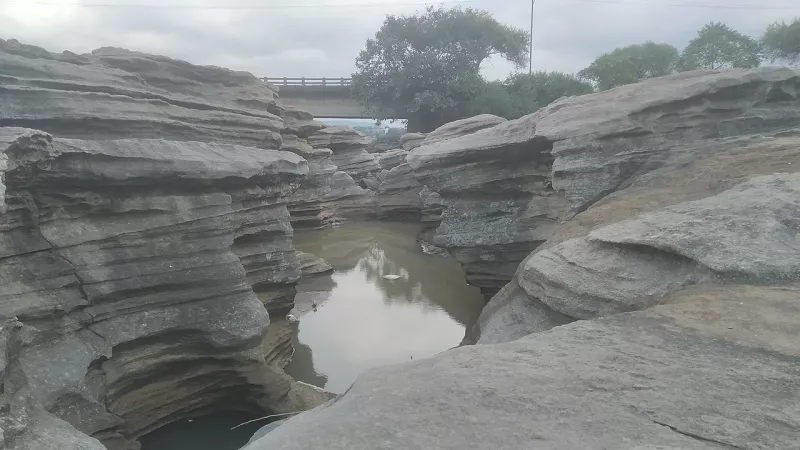
12. Jharkhand
Jharkhand, a state in eastern India, is known for its natural beauty and varied wildlife. The state's forests, rivers and waterfalls provide many opportunities for outdoor enthusiasts, while its temples and ruins offer a glimpse into its rich cultural heritage.
When to Go
The best time to visit Jharkhand is during the winter, from November to February. The weather is cool and comfortable, and there are fewer tourists. However, Jharkhand is a diverse state with different climates in different regions, so visitors should check the weather forecast before planning a trip.
What to See
Jharkhand is home to a number of tourist attractions, including the Betla National Park, the Hazaribagh Wildlife Sanctuary, the Baidyanath Temple and the Ajgaivinath Temple. The Betla National Park is a popular destination for nature lovers, with its forests, rivers and waterfalls. The Hazaribagh Wildlife Sanctuary is known for its tigers, leopards and elephants, while the Baidyanath Temple is a popular Hindu pilgrimage site. The Ajgaivinath Temple is dedicated to Lord Shiva and is famous for its intricate carvings.
How to Get There
Jharkhand is well connected by air, rail and road. The state's main airport is in Ranchi, and there are also airports in Jamshedpur, Dhanbad and Bokaro. The state's railway network is extensive, and major railway stations include Ranchi, Jamshedpur, Dhanbad and Bokaro. The state is also well connected by road, with major highways running through it.
Read More
Best Time to Visit :
View Packages 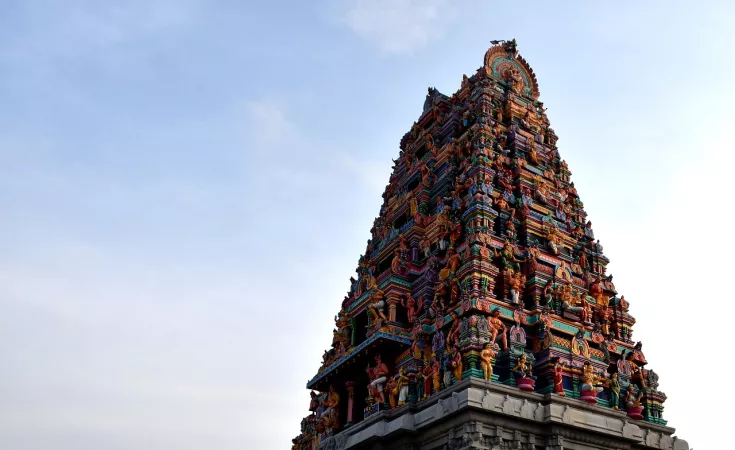
13. Karnataka
Karnataka, located in the southern part of India, is a state blessed with diverse natural beauty. From the Western Ghats to the beaches of the Arabian Sea, Karnataka is a perfect destination for nature lovers. The state is also known for its rich history and culture, which is reflected in the numerous historical monuments and temples scattered throughout the state.
One of the most popular tourist destinations in Karnataka is Coorg, also known as Kodagu. With its rolling hills, lush green forests, and coffee plantations, Coorg is a paradise for nature enthusiasts. Another must-visit destination is Hampi, a UNESCO World Heritage Site and the erstwhile capital of the Vijayanagar Empire. The ruins of Hampi, including the famous Virupaksha Temple and the Vittala Temple complex, attract thousands of tourists every year.
Karnataka is also home to many beautiful beaches, including Gokarna, Udupi, and Mangalore. These beaches are known for their pristine waters, white sand, and serene atmosphere. For adventure enthusiasts, there are many trekking trails in the Western Ghats, including the popular trek to Kudremukh Peak.
Karnataka is also famous for its rich culinary traditions. From spicy Bisi bele bath to mouth-watering Masala dosa, the state offers a diverse range of delicious dishes that are a treat for food lovers.
In conclusion, Karnataka is a state that is not only beautiful but also offers a unique blend of nature, history, culture, and cuisine. It is a perfect destination for anyone looking to explore the rich diversity of India.
History of Karnataka
Karnataka, a state located in the southern region of India, has a rich and diverse history that dates back to ancient times. The region was known as the "Land of Gold" and was famous for its spices, textiles, and precious stones.
The early history of Karnataka can be traced back to the 3rd century BC when the region was ruled by the Mauryan Empire. The region was later ruled by the Satavahanas, Kadambas, and Gangas, who left their mark on the state through their architecture and culture.
The Chalukya dynasty, which ruled from the 6th to the 12th century, was one of the most powerful dynasties in Karnataka. The Chalukyas were responsible for building some of the most iconic temples in the state, including the Badami cave temples, the Pattadakal temple complex, and the Aihole temple complex.
The Hoysala dynasty, which ruled from the 10th to the 14th century, was another prominent dynasty in Karnataka. The Hoysalas were known for their exquisite temple architecture, including the famous Hoysaleswara temple in Halebidu.
In the 14th century, the Vijayanagara Empire rose to power and ruled over much of South India, including Karnataka. The empire was known for its patronage of the arts and literature, and the city of Vijayanagara, the capital of the empire, was one of the most magnificent cities of its time.
In the 16th century, the Bahmani Sultanate and later the Mughal Empire ruled over Karnataka. The state came under British rule in the 19th century and remained under British control until India gained independence in 1947.
Today, Karnataka is a state known for its rich cultural heritage, architecture, and traditions. The state is home to many iconic landmarks, including the Mysore Palace, Hampi ruins, and the Gol Gumbaz in Bijapur, which continue to attract visitors from all around the world.
Culture of Karnataka
The culture of Karnataka, a state located in the southern part of India, is diverse and has been shaped by the region's rich history, literature, art, music, and dance. Karnataka is known for its vibrant and colorful festivals, which are celebrated with great enthusiasm and fervor.
One of the most popular festivals in Karnataka is Dasara, a 10-day festival celebrated in the city of Mysore. The festival commemorates the victory of good over evil and is marked by a grand procession, traditional dances, and a spectacular display of lights and fireworks.
The state is also known for its classical music and dance forms, including the famous Mysore style of Bharatanatyam, Yakshagana, and Kamsale. These art forms have a rich history and have been passed down from generation to generation.
Karnataka is also home to many famous poets and writers, including Kuvempu, D. R. Bendre, and Masti Venkatesha Iyengar. Kannada, the official language of Karnataka, has a rich literary tradition and is one of the oldest languages in India.
Cuisine is an integral part of Karnataka's culture, and the state is famous for its diverse range of dishes. The cuisine is a blend of flavors from different regions of Karnataka and includes dishes such as Bisi bele bath, Mysore masala dosa, and Maddur vada.
The state is also known for its handicrafts, which include silk saris, sandalwood carvings, and rosewood furniture. The art of making Mysore silk saris is a tradition that has been passed down for centuries and is one of the most prized handicrafts of the state.
In conclusion, the culture of Karnataka is a unique blend of tradition and modernity. The state's rich heritage, literature, art, music, and dance continue to thrive, and its festivals and cuisine attract visitors from all around the world. Karnataka's vibrant and colorful culture is a reflection of its diverse history and the many communities that call it home.
People of Karnataka
The people of Karnataka, a state located in the southern part of India, are known for their hospitality, diversity, and rich cultural heritage. The state is home to a diverse population, including Kannadigas, who are the native speakers of the Kannada language, as well as people from other states and countries.
Karnataka is a melting pot of cultures and communities, and each community has its unique traditions, customs, and beliefs. The state has a high literacy rate, and education is highly valued, which has contributed to the development of a highly skilled workforce.
The people of Karnataka are known for their love of food, and the state's cuisine is famous for its diversity and flavors. The cuisine is influenced by the region's geography and includes a variety of vegetarian and non-vegetarian dishes, including Bisi bele bath, Mysore masala dosa, and Nati koli saaru.
Karnataka is also home to many famous artists, musicians, and writers. The state has a rich tradition of classical music and dance forms, and many renowned musicians and dancers have emerged from Karnataka. The state is also known for its literature, and Kannada is one of the oldest languages in India, with a rich literary tradition.
The people of Karnataka are also known for their handloom and handicrafts. The state is famous for its silk saris, sandalwood carvings, and rosewood furniture, which are highly prized and sought after.
In conclusion, the people of Karnataka are diverse, hospitable, and proud of their cultural heritage. The state's love of education, art, music, and cuisine has contributed to its unique identity and has made it a popular destination for visitors from all around the world. The people of Karnataka continue to thrive and contribute to the state's development and growth, making it one of the most vibrant and dynamic states in India.
Best time to visit Karnataka: October to April is the best time to visit Karnataka
Best places to visit Karnataka:
Here are the top places to visit in Karnataka:
Hampi: Hampi is a UNESCO World Heritage site and was once the capital of the Vijayanagara Empire. The city is known for its ancient temples, ruins, and rock formations. The Virupaksha Temple, Vittala Temple, and Lotus Mahal are some of the must-visit attractions in Hampi.
Coorg: Coorg, also known as Kodagu, is a popular hill station located in the Western Ghats. The region is known for its coffee plantations, scenic landscapes, and wildlife. The Abbey Falls, Talacauvery, and Dubare Elephant Camp are some of the top attractions in Coorg.
Mysore: Mysore is known for its grand palaces, museums, and gardens. The Mysore Palace, Jaganmohan Palace, and the Brindavan Gardens are some of the top attractions in the city.
Gokarna: Gokarna is a popular beach destination in Karnataka known for its pristine beaches, temples, and scenic beauty. The Om Beach, Kudle Beach, and Mahabaleshwar Temple are some of the top attractions in Gokarna.
Badami: Badami is known for its ancient rock-cut temples, caves, and architecture. The Badami Cave Temples, Agastya Lake, and Banashankari Temple are some of the top attractions in Badami.
Chikmagalur: Chikmagalur is a hill station located in the Western Ghats and is known for its coffee plantations, scenic landscapes, and waterfalls. The Mullayanagiri Peak, Kudremukh National Park, and the Hebbe Falls are some of the top attractions in Chikmagalur.
Hassan: Hassan is known for its ancient temples, architecture, and historical sites. The Hoysaleswara Temple, Halebidu, and the Shravanabelagola are some of the top attractions in Hassan.
Bandipur National Park: Bandipur National Park is a popular wildlife sanctuary known for its tigers, elephants, and other wildlife. The park is also known for its scenic beauty and is a popular destination for nature lovers.
Udupi: Udupi is a coastal town known for its beaches, temples, and cuisine. The Sri Krishna Temple, Malpe Beach, and St. Mary's Island are some of the top attractions in Udupi.
Belur: Belur is known for its ancient temples and architecture. The Chennakesava Temple, Veeranarayana Temple, and Yagachi Dam are some of the top attractions in Belur.
Bangalore: Bangalore, officially known as Bengaluru, is the capital city of Karnataka, India. It is known for its pleasant climate, vibrant culture, and booming IT industry. The city has a rich history and is home to many landmarks such as the Lalbagh Botanical Garden, Vidhana Soudha, and Bangalore Palace. Bangalore is also known for its street food, nightlife, and shopping. It is a popular tourist destination and a hub for business and education.
Read More
Best Time to Visit :
View Packages 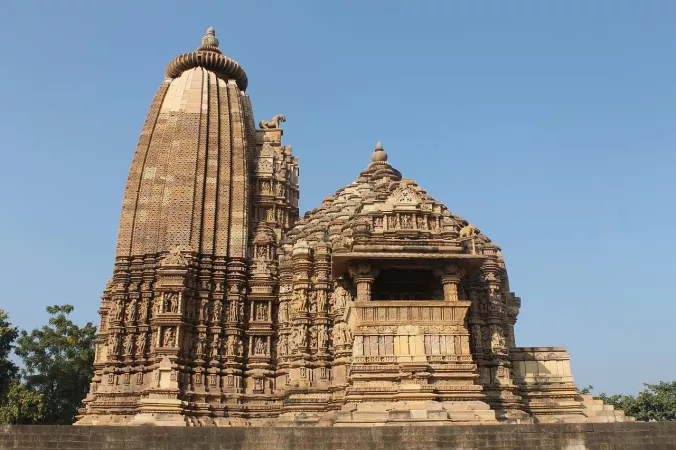
15. Maharashtra
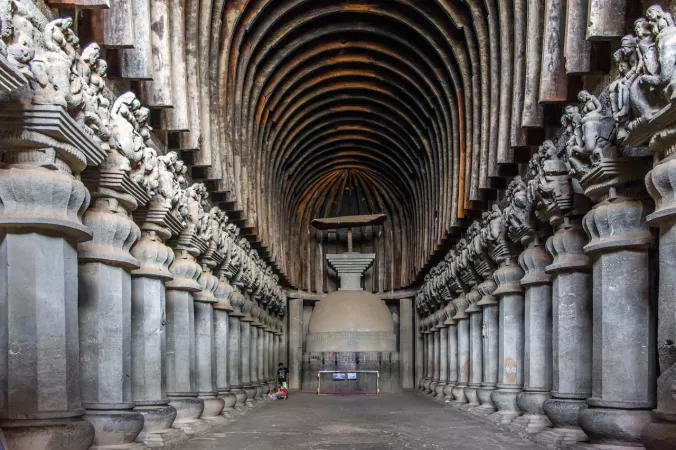
Maharashtra is one of the most popular tourist destinations in India. This state is blessed with plenty of tourist attractions that draw visitors from all over the world. If you are planning a vacation in Maharashtra, then here are some of the top places to visit in this state.
The first place that you should visit in Maharashtra is the city of Mumbai. This is the capital of the state and it is home to some of the most popular tourist attractions in India. Some of the top places to visit in Mumbai include the Gateway of India, the Taj Mahal Palace, and the Chhatrapati Shivaji Terminus.
Another popular tourist destination in Maharashtra is the city of Pune. This city is known for its beautiful gardens and for its many historical monuments. Some of the top places to visit in Pune include the Aga Khan Palace, the Osho Meditation Centre, and the Raja Dinkar Kelkar Museum.
If you are looking for a place to enjoy some beautiful natural scenery, then you should visit the city of Nashik. This city is located on the banks of the Godavari River and it is home to some of the most spectacular waterfalls in India. Some of the top places to visit in Nashik include the Dudhsagar Falls and the Trimbakeshwar Temple.
If you are looking for a place to enjoy some amazing beaches, then you should visit the city of Goa. This city is located on the coast of the Arabian Sea and it is home to some of the most beautiful beaches in India. Some of the top places to visit in Goa include Anjuna Beach, Calangute Beach, and Baga Beach.
If you are looking for a place to enjoy some amazing mountain scenery, then you should visit the city of Mahabaleshwar. This city is located in the Western Ghats and it is home to some of the most picturesque landscapes in India.
Read More
Best Time to Visit :
View Packages 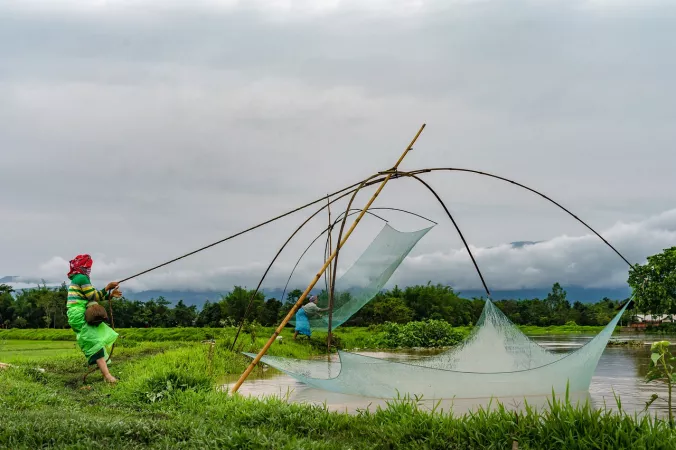
16. Manipur
The landlocked state of Manipur is located in the northeastern region of India. Bordering Myanmar (Burma) to the east, Manipur is a beautiful and culturally rich destination to explore. The capital city of Manipur is Imphal and is home to a variety of interesting attractions, including the Kangla Fort, the Loktak Lake, and the Manipur State Museum.
If you're looking for a unique and culturally rich travel destination, consider Manipur. With its stunning natural landscapes and interesting cultural attractions, Manipur is a must-see destination for anyone looking to explore India's northeastern region.
Places to Visit In Manipur
1. The Kangla Fort
The Kangla Fort is a historic fort located in the heart of the capital city of Manipur, Imphal. The fort is a major tourist attraction in Manipur and is home to a variety of historical monuments and temples. The fort was originally constructed in the 17th century by the Meitei king Pamheiba and has been rebuilt and restored a number of times over the years. Today, the Kangla Fort is a popular tourist destination for visitors to Manipur.
2. The Loktak Lake
The Loktak Lake is a large freshwater lake located in the eastern part of Manipur. The lake is a popular tourist destination and is home to a variety of interesting attractions, including the Keibul Lamjao National Park, the floating islands, and the Sendra Island. The Loktak Lake is a beautiful and unique place to visit and offers a unique glimpse into the culture and natural beauty of Manipur.
3. The Manipur State Museum
The Manipur State Museum is a museum located in the capital city of Manipur, Imphal. The museum is home to a variety of exhibits that showcase the culture and history of Manipur. The museum is a popular tourist destination and is a must-see for anyone interested in learning more about the history and culture of Manipur.
Read More
Best Time to Visit :
View Packages 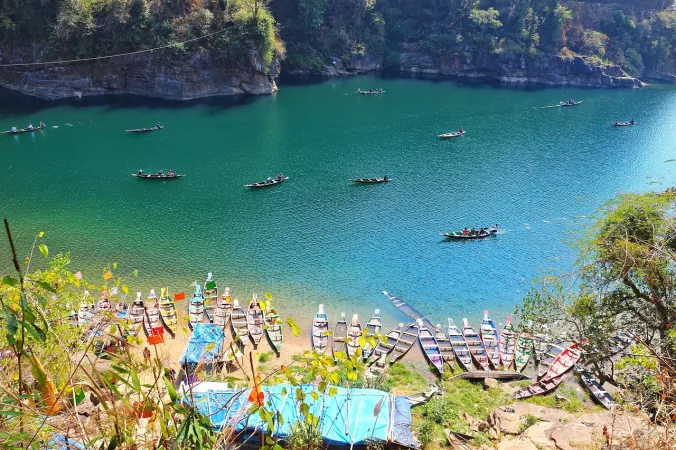
17. Meghalaya
Meghalaya, one of the northeastern states of India, is bordered by Assam in the north, Bangladesh in the south, and the states of Manipur, Nagaland, and Arunachal Pradesh in the east. The capital of Meghalaya is Shillong.
The state has many tourist destinations including the Shillong Peak, the Elephant Falls, the Umiam Lake, the Ward’s Lake, and the Mawsynram Caves. The state is also known for its natural wonders such as the living root bridges.
The people of Meghalaya are known for their warm hospitality. The state is also known for its traditional cuisine which includes dishes such as Jadoh, Pithagor, and Khasi laaps.
Shillong is the most popular tourist destination in Meghalaya. The city is known for its colonial-era architecture, its natural scenery, and its vibrant nightlife. The city is home to many restaurants, bars, and nightclubs.
The Umiam Lake is a popular tourist destination in Meghalaya. The lake is known for its picturesque views, its floating gardens, and its pedal boats.
The Mawsynram Caves are a popular tourist destination in Meghalaya. The caves are known for their stalactites and stalagmites.
Read More
Best Time to Visit :
View Packages 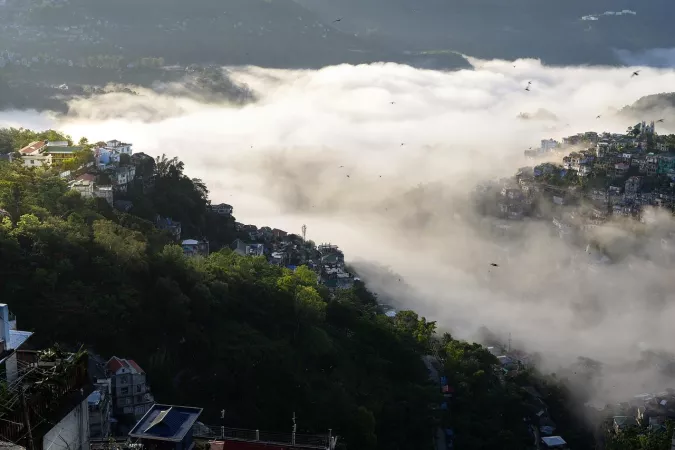
18. Mizoram
Mizoram is a landlocked state in Northeast India, with Aizawl as its capital. The state shares borders with the states of Tripura, Assam, and Manipur. Mizoram is the second least populous state in India. Mizoram was part of the Assam region during British rule. Mizoram is inhabited by the Mizos, who are Christians. Mizoram is one of three states in India with a Christian majority. The other two states are Meghalaya and Nagaland. Mizoram is one of the most literate states in India.
Mizoram is a hilly state with a cool climate. The maximum temperature in Mizoram is usually around 25 degrees Celsius. The state experiences heavy rains from the month of June to September. The state is home to a number of animals and plants, including the hoolock gibbon, the clouded leopard, and the rhododendron.
Aizawl is the capital of Mizoram and the largest city in the state. Other important cities in Mizoram include Lunglei, Champhai, and Kolasib.
Mizoram is a popular tourist destination. The state has a number of tourist attractions, including the Phawngpui Blue Mountain National Park, the Vantawng Falls, and the Lengteng Wildlife Sanctuary. The state also has a number of Christian pilgrimage sites, including the Thantlang Venerable’s Tomb and the Bungtea Church.
How to get there:
Mizoram is well connected by road to the rest of India. National Highway 54 passes through the state. The nearest airport is in Aizawl, which is connected to other major cities in India by regular flights.
What to see and do:
Mizoram is a hilly state with a cool climate.
Read More
Best Time to Visit :
View Packages 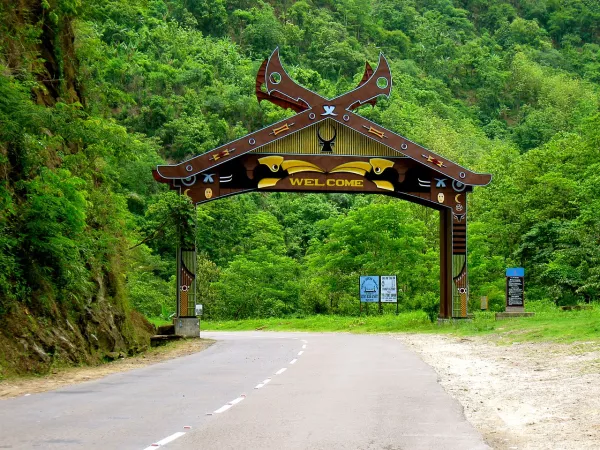
19. Nagaland
Looking for a travel guide for Nagaland? You've come to the right place. Nagaland is a state in northeast India, bordering Myanmar. It's known for its many tribes and cultures, as well as its stunning landscapes.
When planning a trip to Nagaland, it's important to be aware of the region's unique culture. Nagaland is home to more than 16 different tribes, each with its own unique customs and traditions. Some important things to keep in mind include:
- Many Nagas are animists, so be respectful of local customs and beliefs.
- Most Nagas are subsistence farmers, so be prepared for a simple, rural lifestyle.
- English is the official language of Nagaland, but you'll also encounter many tribal languages.
Nagaland is a beautiful and fascinating place, and with a little preparation, you can be sure to have a great trip. For more information on what to see and do in Nagaland, be sure to check out the following travel guide:
What to see and do
- Visit the Hornbill Festival. This popular festival, which takes place every December, celebrates the culture and traditions of the Naga people.
- Explore the villages of Longwa and Mon. These villages are home to the Mon and Konyak tribes, respectively, and offer a glimpse into traditional Naga life.
- Take a hike in Phoktey National Park. This beautiful park is home to dense forests, rushing rivers, and snow-capped mountains.
- Visit the Kigwema Heritage Village. This village is home to a museum and cultural center that showcases the art, music, and history of the Naga people.
Where to stay
- The Dzukou Valley Resort. This lovely resort is located in the heart of the Dzukou Valley, and offers stunning views of the surrounding
Read More
Best Time to Visit :
View Packages 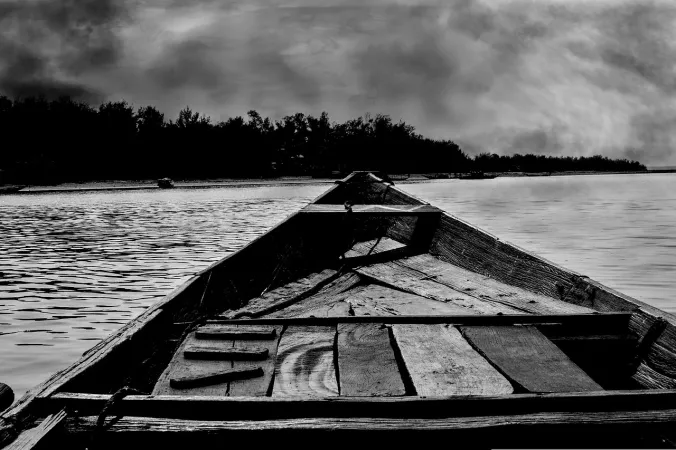
20. Odisha
Odisha, located in the eastern part of India, is a land of remarkable beauty and rich cultural heritage. With its diverse landscape ranging from the rugged coastline of the Bay of Bengal to the lush green hills of the Eastern Ghats, Odisha offers a plethora of natural wonders for visitors to explore. It is often called the “Jewel of India.”
Apart from its natural beauty, Odisha is home to some of India's most famous temples, including the Jagannath Temple in Puri and the Konark Sun Temple, both of which are UNESCO World Heritage Sites. The state's cuisine is also famous for its delicious seafood, such as crab and prawns, as well as traditional dishes like dalma and chhena poda.
Odisha is also known for its unique art and craft traditions, such as the intricate appliqué work of Pipli and the stunning silver filigree work of Cuttack. The state's vibrant tribal culture is also worth experiencing, with colorful festivals like the Dussehra festival in Koraput and the Rath Yatra in Puri.
All in all, Odisha is a land of incredible diversity and beauty that offers something for everyone. From its natural wonders to its cultural treasures, Odisha is truly an amazing destination that should be on every traveler's bucket list.
History
Odisha, formerly known as Orissa, is a state located in the eastern part of India with a rich and vibrant history. The earliest known civilization in Odisha dates back to the 4th century BC when the Kalinga kingdom was established. The Kalinga War, fought in 261 BC, is a significant event in Indian history, which led to Emperor Ashoka adopting Buddhism and spreading the religion throughout the region.
In the 7th century AD, the Bhaumakara dynasty ruled over Odisha, followed by the Somavamsi and Eastern Ganga dynasties in the 10th century. These dynasties were known for their contributions to art, literature, and architecture, including the construction of the famous Jagannath Temple in Puri.
During the medieval period, Odisha was ruled by various dynasties, including the Delhi Sultanate and the Mughal Empire. The British East India Company gained control of Odisha in the 18th century, and it remained under British rule until India gained independence in 1947.
After India's independence, Odisha became a separate state in 1950, with Bhubaneswar as its capital. In recent years, the state has undergone significant economic growth and development, with a focus on industries like steel, power, and tourism.
Today, Odisha is known for its rich cultural heritage, vibrant art and craft traditions, and beautiful natural landscapes, making it a popular destination for tourists from all over the world.
Culture
Odisha is a state located in the eastern part of India with a rich and vibrant culture that has evolved over centuries. The state is known for its unique art and craft traditions, colorful festivals, and delicious cuisine.
The art and craft traditions of Odisha are diverse and include the famous applique work of Pipli, silver filigree work of Cuttack, stone and wood carvings, and palm leaf paintings. These crafts are not only beautiful but also serve practical purposes, such as in the making of umbrellas, bags, and wall hangings.
The state's vibrant tribal culture is also worth experiencing, with different tribes having their unique language, customs, and traditions. The tribal communities of Odisha are known for their music, dance, and colorful festivals, such as the Dussehra festival in Koraput and the Chaitra Parva festival of the Kondhs.
Odisha's cuisine is diverse and delicious, with a strong emphasis on seafood. The state is known for dishes like crab and prawns, as well as traditional dishes like dalma, chhena poda, and rasagolla.
Odisha is also known for its festivals, including the Rath Yatra in Puri, where the deities of Lord Jagannath, Balabhadra, and Subhadra are taken on a procession in huge chariots. Other major festivals include Durga Puja, Diwali, and Holi.
In summary, the culture of Odisha is a blend of ancient traditions, unique art and craft, vibrant festivals, and delicious cuisine, making it a fascinating and captivating state to visit and explore.
People of Odisha
The people of Odisha are diverse and vibrant, with a rich cultural heritage that is reflected in their language, customs, and traditions. The majority of the population in Odisha are Odia speakers, but there are also significant populations of people speaking other languages such as Hindi, Telugu, and Bengali.
The state is home to numerous indigenous tribes, each with its unique language, culture, and customs. The tribal communities of Odisha are known for their colorful festivals, music, dance, and handicrafts. The state government has taken several initiatives to promote the welfare of these communities and preserve their cultural heritage.
Odisha is also home to a sizable population of Muslims, who primarily live in the coastal areas. The state has a long history of religious tolerance and communal harmony, with people of different religions living together peacefully.
The people of Odisha are known for their hospitality and warmth, with a strong emphasis on community and family values. The state's traditional joint family system is still prevalent in many areas, with several generations living together under one roof.
The state is also known for its rich literary and artistic traditions, with famous poets, writers, and artists hailing from Odisha. The state's folk music and dance forms like Odissi, Chhau, and Ghumura are popular across India and have gained international recognition.
In conclusion, the people of Odisha are a diverse and fascinating group, with a rich cultural heritage that is reflected in their language, customs, and traditions. The state's emphasis on community and family values, religious tolerance, and artistic traditions make it a unique and captivating place to visit and explore.
Best time to visit Odisha: October to March is the best time to visit.
Best places to visit in Odisha
Here are some best places to visit in Odisha:
Puri: Located on the Bay of Bengal, Puri is known for its famous Jagannath Temple and beautiful beaches.
Konark: Home to the iconic Sun Temple, a UNESCO World Heritage Site, Konark is also known for its beautiful beaches.
Bhubaneswar: The state capital, Bhubaneswar is known for its ancient temples, including the Lingaraj Temple and Mukteswara Temple.
Chilika Lake: The largest brackish water lake in Asia, Chilika Lake is home to a diverse range of flora and fauna, including the endangered Irrawaddy dolphin.
Dhauli: A historic site known for the Ashoka Rock Edicts and the Dhauli Hill, which offers stunning views of the surrounding landscape.
Raghurajpur: A traditional artisan village known for its Pattachitra paintings and other handicrafts.
Simlipal National Park: A beautiful national park known for its dense forests, waterfalls, and wildlife, including tigers and elephants.
Hirakud Dam: One of the largest dams in the world, Hirakud Dam is a popular tourist destination known for its scenic views and boating facilities.
Cuttack: Known as the "Silver City", Cuttack is famous for its silver filigree work, as well as its ancient temples and historic monuments.
Ratnagiri: Home to several ancient Buddhist sites, Ratnagiri is a must-visit destination for history and culture buffs.
Udayagiri and Khandagiri Caves: A complex of ancient rock-cut caves that were once used by Jain monks for meditation and spiritual practices.
Baripada: A cultural hub known for its vibrant festivals, including the famous Rath Yatra and Chaitra Parva.
Gopalpur-on-Sea: A picturesque beach town known for its scenic beauty, historic lighthouse, and water sports.
Sambalpur: A historic city known for its Sambalpuri sarees, ancient temples, and scenic views of the Hirakud Dam.
Phulbani: A scenic hill station known for its beautiful waterfalls, forested hills, and vibrant tribal culture.
These are just a few of the many beautiful and fascinating destinations to explore in Odisha. Whether you're interested in history, culture, nature, or simply relaxation, there's something for everyone in this incredible state.
Read More
Best Time to Visit :
View Packages 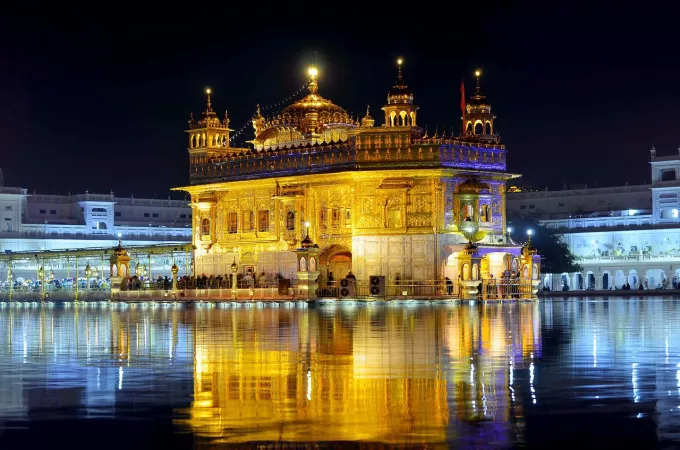
21. Punjab
Punjab is well connected by air, rail, and road. The state has three international airports at Amritsar, Chandigarh, and Ludhiana. There are also several railway stations in Punjab, and the state is well connected by road to other parts of India.
What to See and Do
There’s plenty to see and do in Punjab. Some of the top tourist attractions include the Golden Temple in Amritsar, the Wagah Border Ceremony, the Golden Fort in Amritsar, the Tarn Taran Sahib Gurudwara, and the Ropar Valley.
There are also plenty of interesting places to explore in the countryside. Some of the top tourist destinations in rural Punjab include the Shekhupura Fort, the Mughal Gardens in Kapurthala, the Rana Fort in Sangrur, and the Bhangarh Fort.
When travelling in rural Punjab, be sure to enjoy a traditional Punjabi meal. Some of the most popular dishes include roti, daal, sabzi, and kheer.
Where to Stay
There are plenty of accommodation options in Punjab, including hotels, guesthouses, and homestays. Amritsar is the most popular destination in Punjab, and there are plenty of accommodation options in the city.
Money Matters
The currency in India
is the Indian rupee (INR). Credit cards are widely accepted in Punjab, and there are also plenty of ATMs throughout the state.
Read More
Best Time to Visit :
View Packages 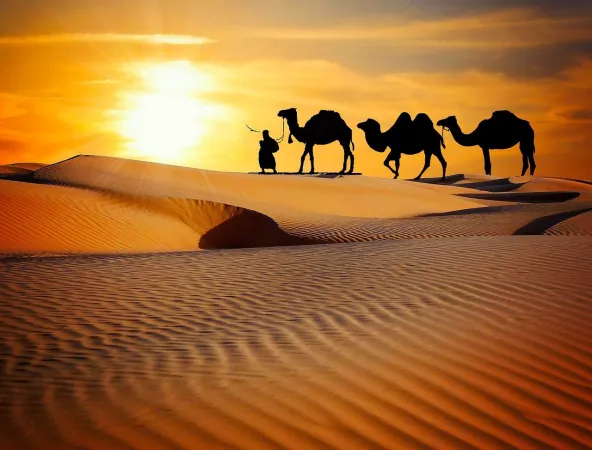
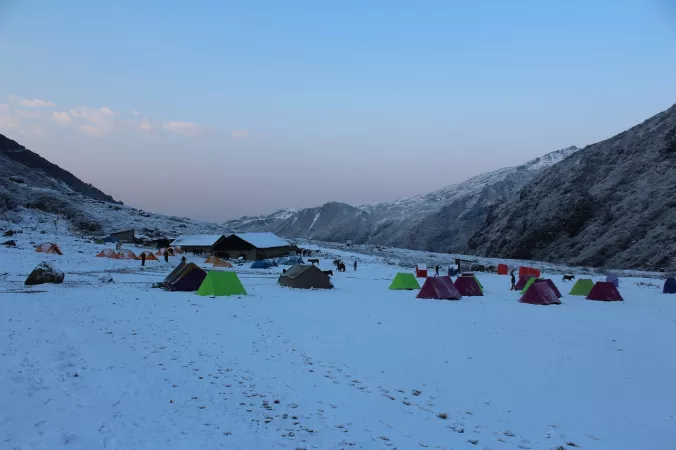
23. Sikkim
style="list-style-type:disc">
The Himalayas have always been a place of mystique and wonder. Shrouded in clouds and ethereal beauty, they are a place where the gods are said to reside. Nestled in the eastern Himalayas, Sikkim is one such place that has been blessed with natural beauty and a serene atmosphere.
Sikkim is a small state in the northeast of India, bordering Nepal, Bhutan and Tibet. It is a land of snow-capped mountains, pristine valleys, rushing rivers and dense forests. The state is also home to a variety of flora and fauna, including some rare and endangered species.
Sikkim is a relatively new state, having been formed in 1975 as a result of a merger between the former kingdoms of Sikkim and Bhutan. Prior to that, Sikkim was an independent country. The people of Sikkim are of Tibetan descent and Buddhism is the predominant religion. Sikkim is a popular tourist destination, thanks to its stunning natural beauty. Some of the places that visitors should not miss include the capital city of Gangtok, the monastery town of Rumtek, the serene Tsomgo (Changu) Lake and the spectacular mountain ranges.
The people of Sikkim are warm and friendly and the state is a paradise for those who love nature. Sikkim is definitely a place to visit if you want to experience the beauty and serenity of the Himalayas.
History of Sikkim
Sikkim is a Himalayan state in northeastern India. The name Sikkim means "Land of the Peaceful Sky." Sikkim is known for its beautiful landscape, biodiversity, and monasteries.
The area now known as Sikkim was first inhabited by people who migrated from the Tibetan Plateau. Sikkim was first mentioned in historical records in the 7th century. In 1642, the Chogyal (king) of Sikkim signed a treaty with the British East India Company, making Sikkim a vassal state.
In 1814, the Chogyal of Sikkim was forced to sign a treaty with the British that made Sikkim a protectorate of the British Empire. In 1817, the first British envoy arrived in Sikkim. In 1874, Sikkim was annexed by the British Empire.In 1975, Sikkim became a state of India. Sikkim is the smallest state in India, with a population of less than 600,000. Sikkim is also the most ethnically diverse state in India, with more than 100 different ethnic groups.
Culture of Sikkim
Sikkim is a beautiful and peaceful state, with a rich history and cultural heritage. Sikkim is a small state located in the northeastern part of India. Despite its small size, Sikkim is home to a rich and diverse culture. The culture of Sikkim is heavily influenced by Buddhism, which is the dominant religion in the state. One of the most distinctive aspects of Sikkim culture is the traditional dress worn by the people of the state. Men typically wear a white shirt and trousers, while women wear a dress known as a Kho.
Another important aspect of Sikkim culture is the food, which is heavily influenced by Tibetan cuisine. Some of the most popular dishes in Sikkim include momos (dumplings) and thukpa (noodle soup).
The culture of Sikkim is also characterized by a strong sense of community and family. Families in Sikkim are typically close-knit and supportive of one another. Sikkim is also known for its beautiful scenery, which includes mountains, valleys and forests. This natural beauty has helped to make Sikkim a popular tourist destination. Overall, the culture of Sikkim is unique and fascinating and is well worth exploring.
People of Sikkim
The Himalayan state of Sikkim is known for its rich culture and diverse ethnicity. The people of Sikkim are a mix of Nepalis, Lepchas, Bhutias, and other Indian groups. Each group has its own unique customs and traditions that have been preserved for centuries.
The Lepchas are the original inhabitants of Sikkim and are said to be the descendants of the first humans to inhabit the Himalayas. They are a small, tribal group who live in the remote mountain villages of Sikkim. The Lepchas are known for their intricate wood carving and embroidery skills.
The Nepalis are the largest group in Sikkim and are from the Terai region of Nepal. They are a Hindu group who migrated to Sikkim in the 1800s. The Nepalis are known for their skilled craftsmanship in metalworking and carpentry. The Bhutias are a Tibetan Buddhist group who migrated to Sikkim in the 17th century. They are the second largest group in Sikkim and are known for their colorful costumes and intricate wood carving skills.
The people of Sikkim are a proud and vibrant people who have preserved their unique culture and traditions for centuries. Their rich culture is a reflection of the diverse ethnicity and landscape of Sikkim.
Best time to visit Sikkim
The best time to visit Sikkim is from October to November and from March to May. These are the months when the weather is pleasant and the tourist destinations are not crowded. January and February are the coldest months, while June to September are the hottest.
Top places to visit in Gangtok
Sikkim, a small state in northeast India, is home to some of the most stunning landscapes in the country. From snow-capped mountains and rushing rivers to Buddhist monasteries and terraced tea plantations, Sikkim has something for everyone. If you're looking for the best places to visit in Sikkim here are five of our top picks.
Gangtok - The capital of Sikkim, Gangtok is a busy city nestled in the foothills of the Himalayas. Here you can find a mix of traditional Buddhist culture and modern amenities, including restaurants, bars, and shopping districts. While in Gangtok, be sure to visit the Tsomgo lakeLake, a picturesque glacial lake located at an altitude of 3,780 meters.
Pelling - Pelling is a small town located about 120 kilometers from Gangtok. It's a popular stop for tourists due to its stunning mountain views and array of monasteries and temples. Some of the highlights in Pelling include the Khecheopalri Lake, a sacred body of water said to have miraculous healing properties and the Pemayangtse Monastery, the oldest monastery in Sikkim.
Namchi - Namchi is a town located in the south of Sikkim and is home to the impressive Samdruptse Hill. At an altitude of 7,500 feet, Samdruptse is the tallest peak in the state and offers stunning views of the surrounding countryside. Namchi is also home to a number of other interesting temples and monasteries, including the Black Hat Monastery and the Yeshi Lhakhang Temple.
Yuksom - Yuksom is a small village located in the west of Sikkim and is popular with hikers and trekkers. It's the birthplace of Sikkim and is home to a number
of ancient monasteries, including the Dubdi Monastery and the Kanchenjunga Temple. Yuksom is also a great place to experience traditional Sikkimese culture and lifestyle.
Nathu La Pass - The Nathu La Pass is a mountain pass located on the India-China border. At an altitude of 4,310 meters, it's the highest point in Sikkim. The pass is a popular tourist destination and offers stunning views of the Himalayas. It's also a great place to experience the culture and lifestyle of the local Tibetan people.
Travel tips to visit Sikkim
Sikkim is a small state in India’s northeast that is often overlooked by tourists. But with its stunning Himalayan views, diverse landscape, and friendly people, Sikkim is a must-visit destination for travelers looking for an off-the-beaten-path experience. Here are some tips for visiting Sikkim:
1. Get a map. Sikkim is a small state and it’s easy to get around. But it’s still a good idea to have a map to help you navigate.
2. Rent a car or motorcycle. The best way to see Sikkim is by car or motorcycle. This will give you the freedom to explore at your own pace.
3. Bring your passport. Sikkim is an international border and you will need your passport to enter.
4. Dress in layers. The weather in Sikkim can be quite unpredictable. It’s best to dress in layers so you can adjust to the temperature.
5. Be prepared for the altitude. Sikkim is a high altitude destination and you may experience altitude sickness if you’re not used to it. Be sure to drink lots of water and take it easy when you first arrive.
6. Book your hotels in advance. There are limited hotels in Sikkim and they tend to fill up quickly. So it’s a good idea to book your hotels in advance.
7. Bring your camera. Sikkim is a photographer’s paradise. There are endless photo opportunities of the Himalayas, Buddhist monasteries, and rolling hills.
8. Be prepared for the crowds. Sikkim is a popular destination and you may encounter crowds at some of the more popular tourist spots.
9. Be respectful of the local culture. Sikkim is a Hindu state and you should dress and behave respectfully when visiting
Read More
Best Time to Visit :
View Packages 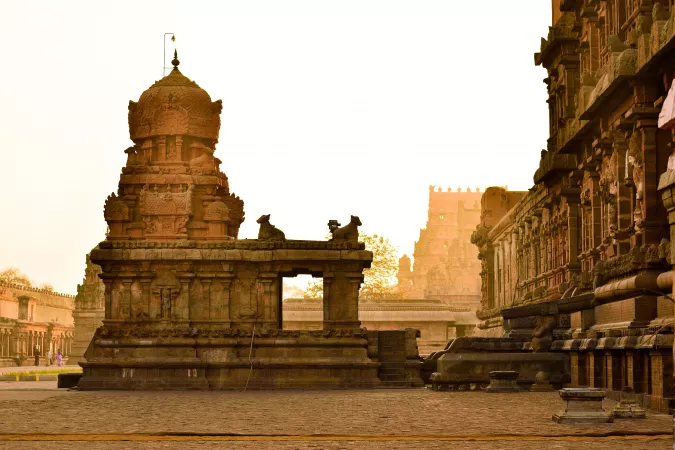
24. Tamil Nadu
Tamil Nadu is a state in the southern part of India. It is the tenth largest state in India by area and the sixth largest by population. It has a coastline of about 1,000 kilometers (620 mi) and is surrounded by the states of Kerala to the west, Karnataka to the northwest, Andhra Pradesh to the north, and the union territory of Puducherry to the south. Tamil Nadu is the home of the Tamil people, who have a long and rich literary tradition. The classical Tamil language is the oldest language in the world that is still in use. Tamil Nadu is also home to two of the world's oldest civilizations, the Indus Valley Civilization and the Sangam period Tamil civilization.
Tamil Nadu has a lot to offer tourists. The state is home to some of the most beautiful temples in India, including the Meenakshi Temple, the Brihadisvara Temple, and the Rockfort Temple. Tamil Nadu is also home to some of the best beaches in India, including those at Chennai, Kanyakumari, and Rameswaram. Other places of interest in Tamil Nadu include the hill stations of Ooty and Kodaikanal, the wildlife sanctuaries of Mudumalai
Read More
Best Time to Visit :
View Packages 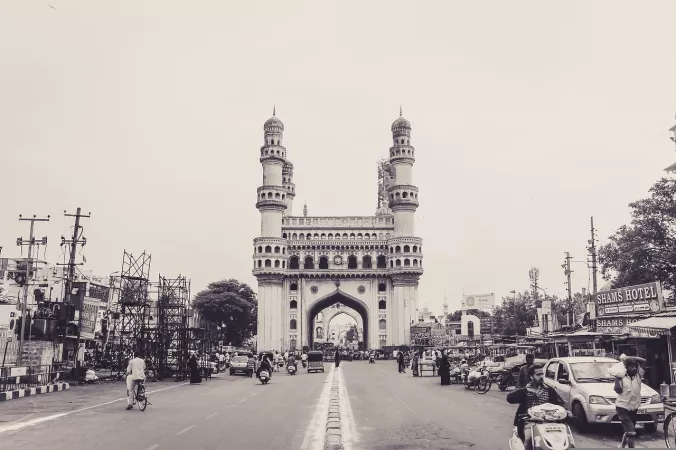
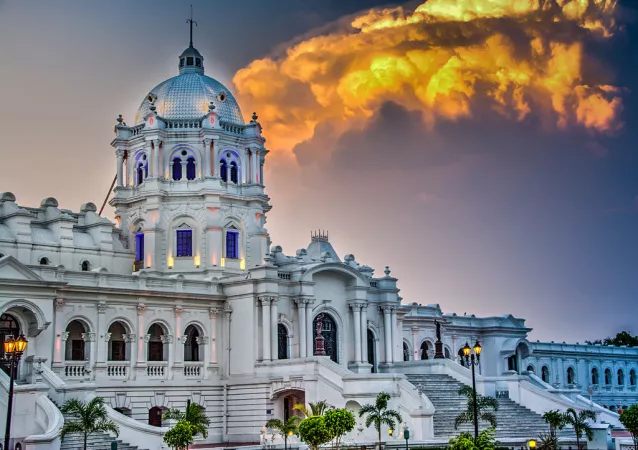
26. Tripura
The north-eastern Indian state of Tripura is bordered by Bangladesh to the north, south and west, and the Indian states of Mizoram and Assam to the east. The capital and largest city is Agartala.
Tripura is a hilly state with a number of rivers, the most important of which is the Gomati. Forests and wildlife are abundant; some of the animals and birds found in the state are the tiger, elephant, deer, rhinoceros, peacock, and parrot. The state is also known for its handicrafts, particularly bamboo products.
The people of Tripura are mainly of Bengali descent, although there are a number of tribes as well. The official language is Bengali, although Kokborok is also spoken by the Tripuri people.
The economy of Tripura is based on agriculture, although there is some industry as well. The main crops are rice, maize, pulses, and potatoes. There is also some tea cultivation.
Tripura is a popular tourist destination, with its forests, wildlife, handicrafts, and temples. Some of the places of interest are the Ujjayanta Palace, the Neermahal palace, the Sepahijala Wildlife Sanctuary, and the Unakoti Hills.
Read More
Best Time to Visit :
View Packages 
27. Uttar Pradesh
Uttar Pradesh is a state in the northern region of India. It is the most populous state in the country, with over 200 million residents. The state is home to many important religious sites, including the city of Varanasi, which is considered one of the holiest places in Hinduism. Uttar Pradesh is a major tourist destination in India, with many ancient temples, monuments, and other sites of interest.
Top Places To Visit In Uttar Pradesh
1. Varanasi - One of the holiest places in Hinduism, Varanasi is home to many temples and other religious sites.
2. Agra - The city of Agra is home to the Taj Mahal, one of the most famous monuments in the world.
3. Mathura - The city of Mathura is home to the Krishna Janmabhoomi Temple, one of the most important temples in Hinduism.
4. Allahabad - The city of Allahabad is home to the Triveni Sangam, where three of the most important rivers in India meet.
5. Lucknow - The city of Lucknow is the capital of Uttar Pradesh and is home to many important historical sites.
Top Things To do in Uttar Pradesh
1. Visit the Taj Mahal in Agra.
2. Visit the Ganges River in Varanasi.
3. Visit the temples in Mathura.
4. Visit the historical sites in Lucknow.
5. Enjoy the culture and cuisine of Uttar Pradesh.
Read More
Best Time to Visit :
View Packages 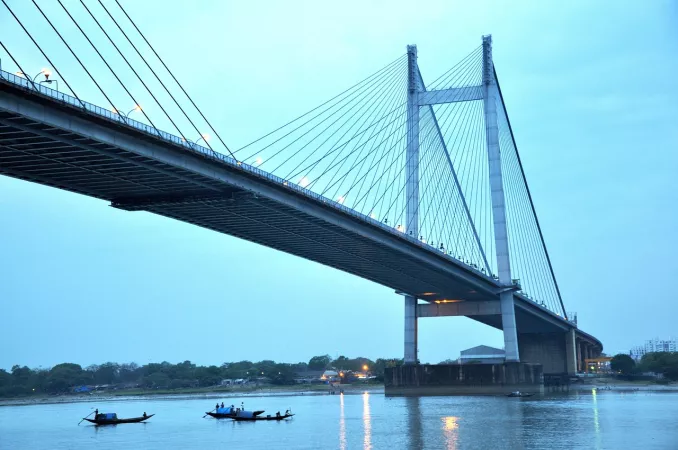
28. West Bengal
West Bengal is a state in eastern India. It borders the nation of Bangladesh to the east, and the states of Jharkhand and Odisha to the north. To the south it has a coast on the Bay of Bengal. The state capital is Kolkata, the former capital of British India.
West Bengal is the third most populous Indian state, with over 91 million inhabitants, and the most densely populated state in India. In 2011, it was ranked as the seventh most developed state in India by the Indian Government. The state has a mixed economy, with a large service sector and a growing industrial base. The state is home to the Calcutta Stock Exchange, the second oldest stock exchange in the world.
The area that is now West Bengal has been inhabited by humans since the Upper Paleolithic era. The region was part of the Magadha kingdom, and was later ruled by the Maurya and Gupta empires. In the early 13th century, the region was conquered by the Delhi Sultanate. It was later ruled by the Bengal Sultanate, the Mughal Empire, the Nawabs of Bengal, and the British East India Company.
The area achieved independence from the British in 1947, and was constituted as a state of the Indian Union. The state witnessed widespread unrest during the Naxalite insurgency. The state was reorganized in 1956, with the creation of the states of Bihar and West Bengal. West Bengal was reorganized again in 2011, when the new states of Jharkhand and Telangana were created.
Read More
Best Time to Visit :
View Packages Help & Support
Call Us Now
+91-8069145442